Many athletes develop pre-race habits to feel more prepared and confident before competition. But are those habits actually helping, or are they becoming superstitions that control performance?
The difference between routines and rituals can determine whether an athlete performs with confidence or struggles with unnecessary stress. While routines create consistency and focus, rituals can lead to mental dependency and anxiety if not followed exactly.
In this guide, we’ll break down the key differences between routines and rituals, how to eliminate harmful superstitions, and how to build a race-day routine that works under any condition.
The Difference Between Routines and Rituals
What is a Routine?
A routine is a structured, repeatable sequence of actions designed to physically and mentally prepare an athlete for competition. It is:
Purpose-driven – Every step improves readiness.
Flexible – Can be adjusted based on race conditions.
Performance-focused – Helps maintain consistency and confidence.
Example of a Routine:
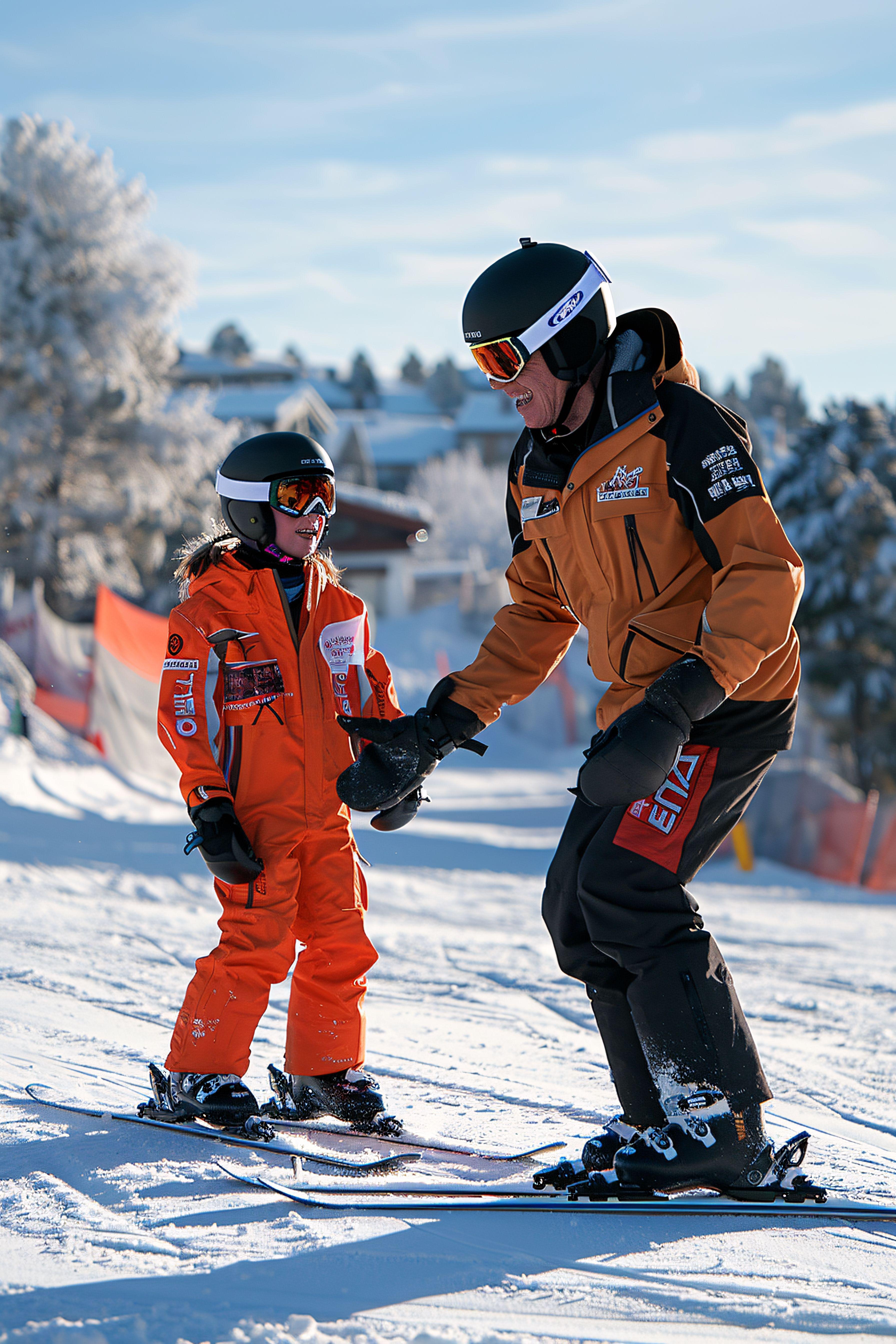
🔹 A skier follows a set warm-up, practices visualization, and does breathing exercises before every race.
What is a Ritual?
A ritual is an action that an athlete believes they must do to perform well—even if it has no real impact on performance. It is:
Superstitious – Based on habit rather than logic.
Inflexible – Creates stress if not followed perfectly.
Emotionally dependent – The athlete feels they can’t perform without it.
Example of a Ritual:
🔹 A runner always wears the same socks, believing they bring good luck—if they forget them, they feel mentally defeated before even starting the race.
Why Rituals Can Hurt Performance
While some rituals may provide a sense of comfort, they can quickly become mental obstacles that undermine confidence.
🔴 Problems with Relying on Rituals:
Loss of control – If something disrupts the ritual, anxiety increases.
Distraction from real preparation – Focus shifts to superstition instead of execution.
Inconsistent performance – If a ritual isn’t followed, the athlete may believe they won’t perform well.
Mental strength comes from preparation, not superstition.
How to Replace Rituals with Strong Routines
1. Identify & Eliminate Performance-Limiting Rituals
Ask yourself ❓:
Does this habit directly improve my physical or mental readiness?
Would I feel uncomfortable competing without it?
If I couldn’t do it one day, would it affect my confidence?
If the answer is “yes” to the last two questions, it’s likely a ritual, not a routine.
How to Fix It:
- Remove unnecessary habits one by one and replace them with proven techniques.
- Test race-day flexibility by training under different conditions.
- Develop mental resilience by focusing on controllable actions, not superstitions.
2. Build a Routine That Adapts to Any Situation
A strong pre-race routine should be:
🔹 Repeatable – Helps create consistency in performance.
🔹 Flexible – Can adjust based on race delays or unexpected changes.
🔹 Focused on execution – Improves physical and mental readiness.
Key Routine Elements:
- Physical warm-up – Activates muscles and increases mobility.
- Visualization – Rehearse success mentally.
- Breathing exercises – Control intensity and focus.
- Gear check – Ensure everything is race-ready.
With a performance-driven routine, an athlete can stay confident and prepared—no matter the situation.
Conclusion
The best athletes don’t let rituals control them—they take control by building flexible, effective pre-race routines.
By eliminating superstitions that create mental barriers and focusing on repeatable, adaptable preparation methods, athletes can compete with confidence, clarity, and consistency every time.
Want to unlock your full potential on race day? Start refining your pre-race routine today!