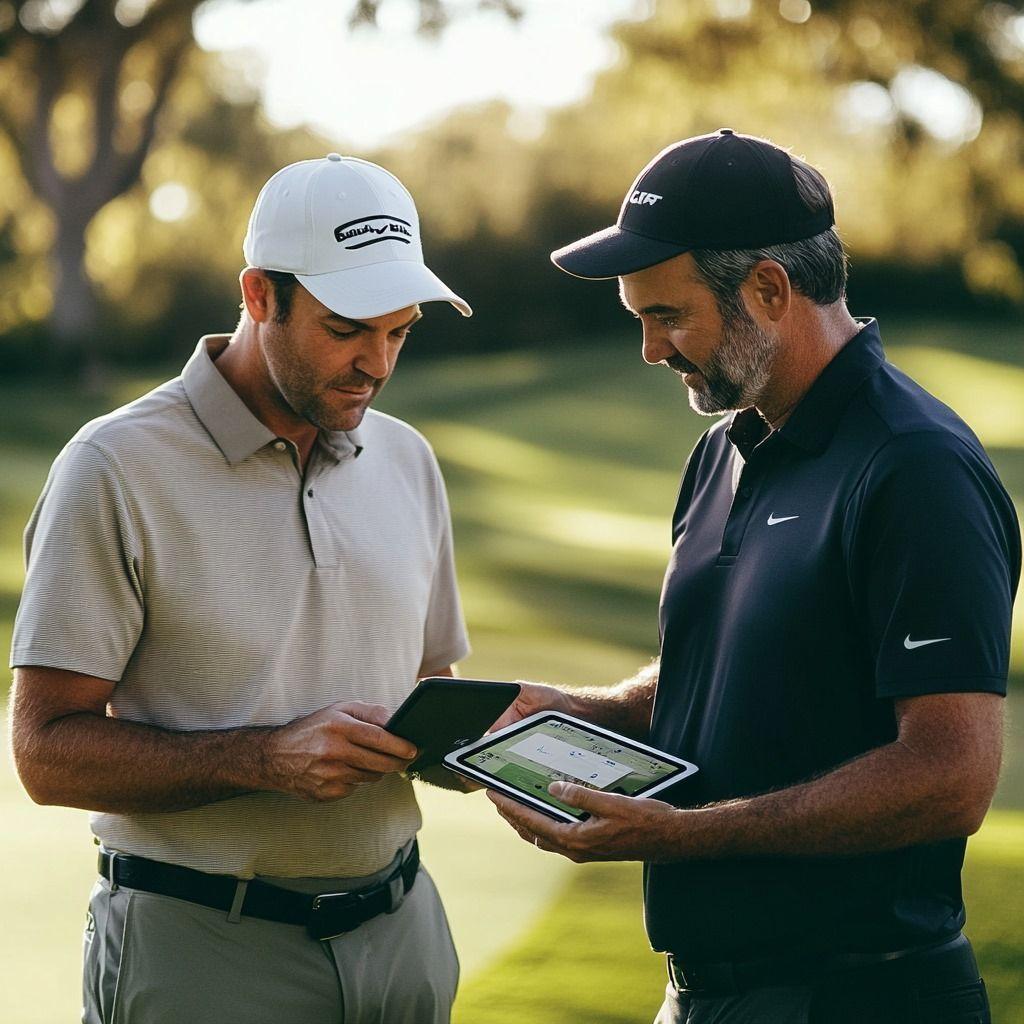
Video Analysis for Effective Golf Training
Video analysis has revolutionized golf training, providing players with in-depth insights into their techniques and areas for improvement. This comprehensive guide outlines how to integrate video analysis into your golf training, helping players at every skill level refine their game.
Introduction to Golf Training with Video Analysis
Incorporating video analysis in golf training allows players to observe and understand the finer points of their techniques. By recording and analyzing your swing, stance, and movements, you can make precise adjustments essential for improvement. Video analysis, combined with expert guidance, can significantly accelerate your progress, whether you’re a beginner or an experienced golfer.
Key Components of Golf Training with Video Analysis
1. Mastering Grip and Stance
The foundation of a strong golf game starts with a proper grip and stance. Working with a qualified instructor, practice and refine these basics:
- Grip: Use video to check hand positioning and ensure a comfortable yet effective grip.
- Stance: Record yourself to review foot placement, knee bend, and alignment.
- Instructor Feedback: With a qualified instructor, analyze the video to ensure your form is correct and make necessary adjustments.
2. Developing a Consistent and Repeatable Swing
A consistent swing is key to accuracy and distance. Here’s how video analysis can help:
- Recording from Multiple Angles: Capture your swing from front, side, and overhead perspectives.
- Identifying Weaknesses: Use video analysis software to highlight areas where your swing may be inconsistent, such as backswing speed or follow-through.
- Practice Routine: Work with your instructor to create a customized practice routine that targets a repeatable swing, with a focus on balance, speed, and fluid motion.
3. Gaining Control Over Distance
Distance control is essential for reducing strokes and improving your overall score. To improve in this area:
- Using a Launch Monitor: Analyze ball flight and distance with a launch monitor while recording your swing.
- Tempo and Swing Speed: Work with an instructor to develop a routine that helps you maintain consistent swing speed and tempo.
- Distance Control Drills: Combine launch data and video analysis to create drills that improve your distance control over various clubs.
4. Enhancing Accuracy
Improving accuracy can make a big difference in your game. Video analysis can help pinpoint where to adjust for better accuracy:
- Focus on Aim and Ball Flight: Record and analyze your ball flight patterns to assess your aim.
- Drills for Precision: Develop drills that focus on target hitting, accuracy with different clubs, and adjusting your approach based on video insights.
5. Strategic Course Management
Effective course management requires a well-planned strategy, and video analysis can be beneficial here as well:
- Course Footage: Record video of a course you frequently play and review it to familiarize yourself with challenging holes and obstacles.
- Personalized Strategy: With an instructor, analyze the footage to design a course strategy based on your strengths and areas of improvement.
- Shot Practice: Practice shots that are specific to the course challenges, such as uphill shots, bunkers, and narrow fairways.
6. Building Mental Focus and Resilience
Golf is as much a mental game as it is physical. Video analysis can help develop mental toughness:
- Pre-Shot Routine: Review your recorded pre-shot routine to ensure it’s helping you stay calm and focused.
- Managing Pressure: Use video to evaluate your performance under pressure and develop strategies to manage stress.
- Competitive Mindset: Record footage of competitive rounds to identify mental challenges, and work on resilience through visualization and practice.
7. Regular Practice and Progress Tracking
Consistent practice, combined with video feedback, can accelerate improvement:
- Video Recordings of Practice: Regularly record practice sessions to track your progress and identify areas for continuous improvement.
- Drills and Games: Mix different drills into your practice sessions to maintain interest and engage in varied practice to target all parts of your game.
- Progress Evaluation: Use video records to review past sessions and compare them with current performance to evaluate improvement.
8. Working with a Qualified Instructor
An experienced golf instructor can maximize the benefits of video analysis:
- Personalized Feedback: With video analysis, your instructor can provide specific guidance tailored to your needs.
- Customized Training Program: Develop a training regimen that focuses on your personal goals, whether it's improving distance, accuracy, or course management.
- Consistent Progress: Regular lessons and instructor feedback help ensure steady improvement and prevent bad habits from developing.
Conclusion
Incorporating video analysis into your golf training can be transformative. With consistent practice and expert guidance, you’ll be able to identify, track, and improve various aspects of your game. Leveraging this technology can set you up for measurable progress in your golfing journey.