Rowing Training: Boost Performance with Video Analysis
Video analysis has become an essential tool for rowers, offering detailed feedback on rowing technique, timing, and form. By incorporating video analysis into a rowing training program, rowers can optimize their performance and create a customized training plan that highlights their strengths and targets specific areas for improvement. Here’s a step-by-step guide to using video analysis to enhance rowing technique and achieve peak performance.
Introduction to Rowing Training with Video Analysis
Rowing demands a precise combination of strength, technique, and timing. Video analysis for rowing allows athletes to visualize their performance, making it easier to identify areas that need refinement. By regularly recording and reviewing rowing sessions, rowers can make measurable progress, whether training solo or as part of a crew.
Key Areas of Rowing Training with Video Analysis
1. Recording Rowing Technique for Analysis
The first step in video analysis is capturing footage from multiple angles to gain a full perspective on your rowing form:
- Camera Setup: Use cameras mounted on the boat or stationed along the shore to record the rowing stroke from different angles.
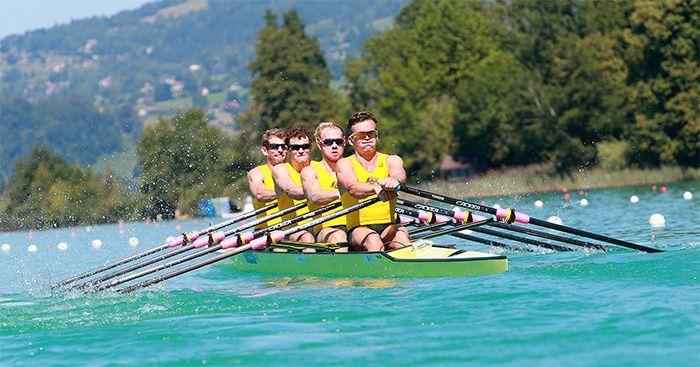
- Multiple Angles: Record footage from the side, front, and back to observe body movement, stroke path, and synchronization in the case of crew rowing.
- Detailed Review: Use video analysis tools such as Sprongo to slow down and replay footage, allowing for a close examination of stroke mechanics.
2. Improving Rowing Stroke Technique
The rowing stroke is a complex movement that involves coordination and power. Video analysis can pinpoint specific aspects of your stroke that need improvement:
- Training Drills: Use drills like pause drills, where you pause at different points in the stroke to emphasize form, and half-slide drills to focus on posture and hand positioning.
- Visual Feedback: Review your stroke on video to correct areas such as hand height, seat timing, and blade entry and exit.
- Coach’s Input: Work with a coach to interpret the video footage, receiving expert guidance on how to correct issues with stroke mechanics.
3. Enhancing Body Positioning and Posture
Maintaining correct body positioning is crucial for efficient rowing. Video analysis can help refine posture and alignment:
- Core and Leg Strength: Strengthening the core, back, and legs through exercises like planks, squats, and back extensions can help improve posture.
- Visual Comparison: Compare your recorded footage with an ideal rowing form to assess any misalignment in your body positioning.
- Focused Drills: Practice with pause and alignment drills that allow you to focus on posture at various points in the stroke.
4. Developing Effective Leg Drive
Leg drive is where much of the rowing power comes from. Video analysis allows rowers to optimize this key movement:
- Strength Training: Incorporate strength exercises like squats, deadlifts, and lunges to build leg power for a stronger drive.
- Visual Cues for Leg Drive: Review video to ensure you are pressing down with the legs at the right moment in the stroke, maintaining efficient force transfer.
- Endurance Building: Incorporate endurance exercises and interval training to build stamina and maintain leg drive consistency throughout a rowing session.
5. Maintaining Rhythm and Timing
In rowing, consistent timing is essential, especially for crew members rowing together:
- Mirror Drills: Practice mirror drills where you synchronize with an experienced rower to develop rhythm.
- Pause Drills: Use pause drills to focus on timing within the stroke, especially important when rowing with a team.
- Video Playback for Synchronization: For crew rowing, record and review your timing against others in the boat to identify areas where adjustments may be needed.
6. Improving Breathing Efficiency
Rowing is an endurance-intensive sport, making breathing efficiency essential:
- Diaphragmatic Breathing: Practice diaphragmatic breathing exercises to help increase lung capacity and breathing efficiency.
- Video Analysis for Breathing Rhythm: Review video footage to assess how well your breathing synchronizes with your rowing stroke.
- Endurance Training: Long, steady-state sessions can improve both breathing control and overall endurance in rowing.
7. Implementing Safety Protocols
Rowing involves various safety protocols that are crucial to prevent injuries and ensure smooth practice sessions:
- Equipment Handling: Use video analysis to review proper use of rowing equipment.
- Navigation Rules: Record and review sessions to ensure that safety practices and navigation rules are followed.
- Emergency Procedures: Work with a coach to ensure safety protocols are in place and practiced regularly.
8. Structuring a Comprehensive Rowing Training Program
To achieve balanced fitness and technical progress, a structured training program is essential:
- Combining Training Types: Your program should include a mix of endurance, strength, and technique-focused sessions, ideally 3-5 times per week.
- Progress Tracking: Use regular video analysis to monitor improvements in each area.
- Tailored Workouts: Customize the training schedule based on your fitness level and goals, with a balance of steady-state rowing and interval workouts.
9. Building Communication and Teamwork
For crew rowers, effective communication and teamwork are as important as technical skills:
- Paired Rowing Drills: Practice paired rowing drills that foster communication and synchronicity.
- Crew-Building Activities: Participate in crew-building activities to strengthen teamwork and cohesion.
- Video Review for Synchronization: Record group sessions to identify and correct any timing issues, ensuring a smooth, synchronized performance.
10. Ensuring Recovery and Self-Care
A comprehensive training program includes adequate rest and self-care routines:
- Rest Days: Schedule regular rest days to allow your body to recover, preventing overtraining.
- Hydration and Nutrition: Maintain proper nutrition and hydration to support energy levels and recovery.
- Self-Care Practices: Use foam rolling, stretching, and recovery exercises to prevent injuries and enhance flexibility.
Conclusion
Incorporating video analysis into a rowing training program enables rowers to refine technique, build endurance, and strengthen teamwork skills. With regular video reviews, guidance from a coach, and a balanced approach, rowers can continuously improve. Video analysis provides a structured way to visually track progress, allowing for steady and targeted improvements over time.