Why Video Analysis is Essential for Coaching in 2024 and 2025
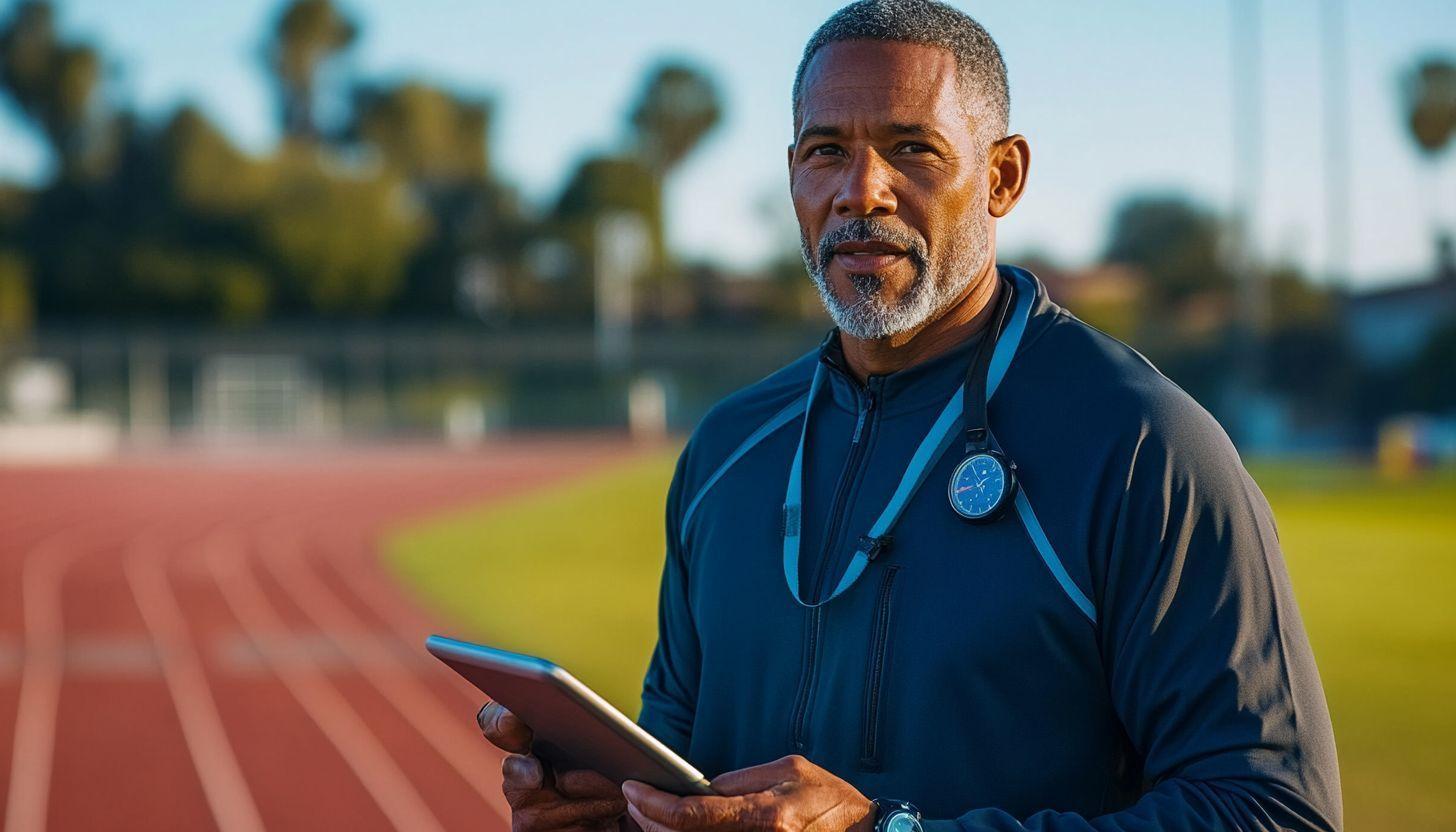
The sports world is evolving rapidly, and as we enter 2024, video analysis has become a non-negotiable tool in effective coaching and athletic training. With advances in artificial intelligence, slow-motion capabilities, and real-time metrics, video analysis is not just a luxury—it’s a fundamental part of modern sports coaching. In this article, we’ll explore why video analysis is indispensable in today’s competitive landscape, how it benefits athletes in various sports, and what innovations are shaping its future.
1. Personalized Feedback and Precision Coaching
Video analysis brings personalized feedback to every athlete, regardless of their level of experience or the sport they play. By capturing performance details that are often missed in real time, video analysis provides a more nuanced approach to training.
- Detailed Technique Analysis
Coaches can break down specific movements, from a sprinter’s form to a tennis player’s serve, to identify small adjustments that lead to big improvements. With features like slow-motion playback, even the most subtle shifts in body alignment or foot placement are visible. - Customized Training Plans
Based on video insights, coaches can create highly specific training plans for each athlete. For example, a swimmer’s stroke efficiency can be enhanced by analyzing body alignment and kick propulsion in underwater footage, leading to a customized plan for optimal performance.
2. Advancements in AI and Real-Time Metrics
AI technology is revolutionizing video analysis, allowing for faster, more accurate feedback. In 2024 and 2025, we’re seeing the rise of AI-driven metrics and motion tracking that are transforming the way coaches and athletes analyze performance.
- Instant Feedback and Data Points
Real-time data collection offers coaches immediate insights, enabling on-the-spot corrections. Metrics like velocity, angle of movement, and joint tracking are now integrated into video analysis tools, providing objective data to support training decisions. - Pattern Recognition for Better Insights
AI-driven video analysis can recognize patterns over time, helping coaches identify recurring form errors or performance strengths. This pattern recognition is invaluable for injury prevention, as it can detect high-risk movement patterns before they result in injury.
3. Injury Prevention and Recovery
Video analysis plays a crucial role in reducing the risk of injuries and assisting in athlete recovery. By identifying potential problem areas, athletes and coaches can proactively address issues before they become injuries.
- Biomechanical Analysis
Coaches can use video analysis to examine biomechanics, such as joint alignment and weight distribution. Analyzing these aspects helps pinpoint factors that may lead to common sports injuries, like ACL tears in soccer or shoulder injuries in swimming. - Tracking Recovery Progress
For athletes recovering from injuries, video analysis offers a way to monitor improvement and make sure recovery exercises are being performed with the correct form. This approach not only aids in faster recovery but also reduces the chance of re-injury by ensuring that the body’s mechanics are properly restored.
4. Versatility Across Sports
One of the most significant advantages of video analysis is its versatility across different sports. No matter if it’s tennis, baseball, gymnastics, or track and field, video analysis provides valuable insights tailored to each sport.
- Sport-Specific Metrics and Analysis
In tennis, for instance, video analysis helps in evaluating serve velocity and spin rate, while in track and field, it aids in assessing stride length and ground contact time. This versatility makes video analysis a valuable tool for coaches across multiple disciplines. - Team and Individual Training
Video analysis is effective for both team sports, like soccer or basketball, and individual sports, like golf and gymnastics. For team sports, coaches can use it to study play strategies, while for individual sports, it’s perfect for refining personal performance.
5. Enhanced Athlete Engagement and Self-Assessment
Video analysis promotes athlete engagement and self-assessment, empowering athletes to take charge of their own development.
- Visual Learning for Athletes
Many athletes learn best visually, and video analysis offers them a chance to see exactly where they can improve. This approach helps athletes better understand their body mechanics and encourages them to take an active role in their progress. - Motivation and Goal Setting
Reviewing footage regularly allows athletes to track progress, set performance goals, and stay motivated. Sprongo’s video analysis platform, for example, allows athletes to review their past performances, compare improvements, and set measurable goals for the future.
6. Seamless Integration with Technology
With the growing availability of portable recording devices, high-resolution cameras, and user-friendly video platforms, integrating video analysis into training routines has never been easier.
- Mobile and Accessible Analysis Tools
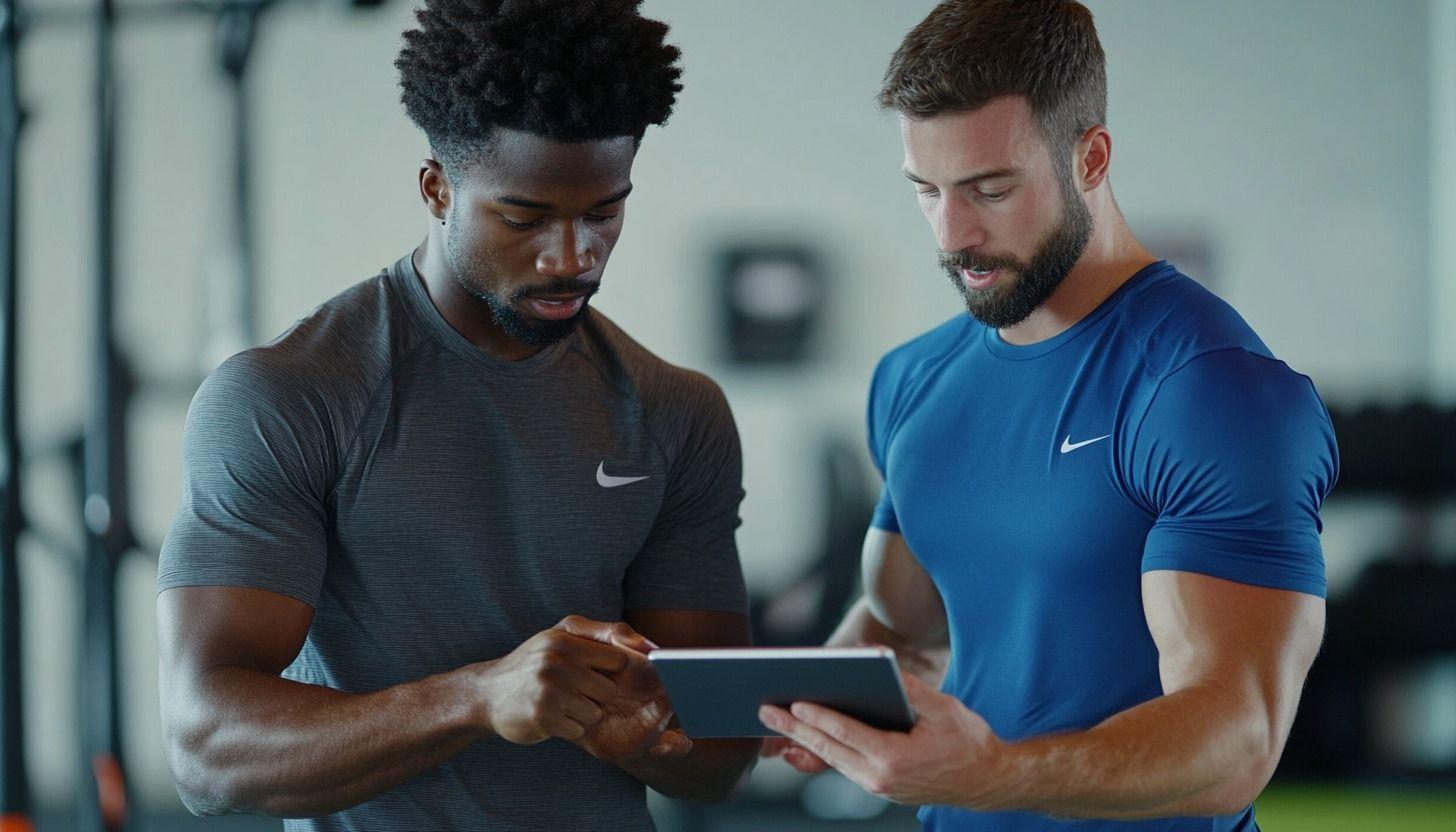
Mobile apps and online platforms have made video analysis accessible from virtually anywhere. Coaches and athletes can record, analyze, and review footage instantly on their smartphones or tablets, making it easy to incorporate analysis even during remote training sessions. - Wearable Tech and Sensor Integration
Wearables like heart rate monitors and motion sensors can now sync with video analysis platforms, offering a comprehensive view of an athlete’s performance. This integration provides coaches with a holistic understanding of both physical and technical metrics.
Conclusion
In 2024 and beyond, video analysis is poised to become even more essential in sports coaching. By providing personalized insights, aiding injury prevention, and enhancing athlete engagement, video analysis has solidified its place as a cornerstone of modern athletic training. With advancements in AI and technology, the future of video analysis promises even more innovative ways to refine skills and maximize athletic potential.
Don’t wait to harness the benefits of video analysis. Start integrating it into your training routines to stay ahead in the game and empower athletes to achieve their best.