Ski Training Guide with Video Analysis for Better Performance
Using video analysis in ski training is an effective way to improve skiing techniques, balance, and control, ultimately enhancing skiing performance. Video feedback in ski training allows skiers to visually identify their strengths and weaknesses, empowering them to make precise adjustments. This guide outlines how to incorporate video analysis into a ski training program, helping skiers develop better control, refine technique, and practice safe skiing habits.
Introduction to Ski Training with Video Analysis
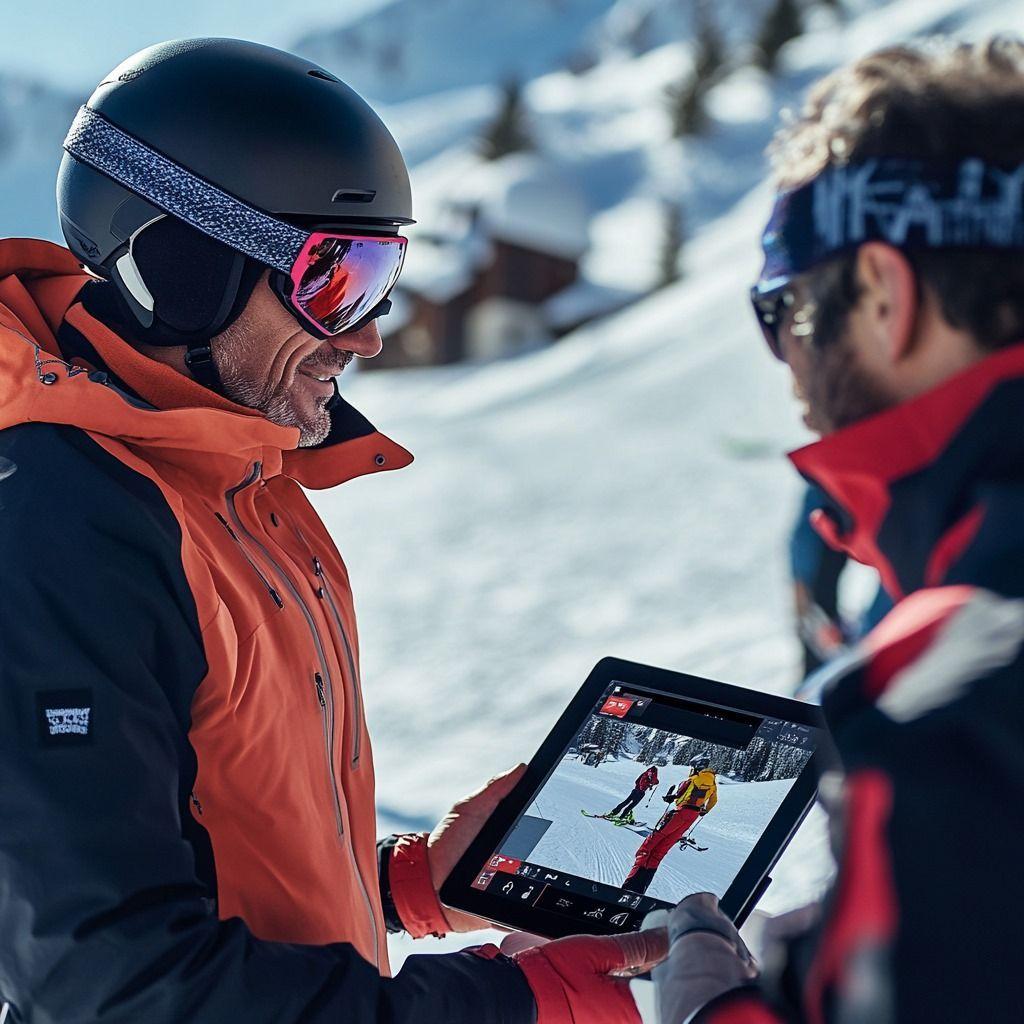
Video analysis in ski training offers skiers a unique perspective on their form and skiing techniques. By recording and reviewing ski sessions, skiers can gain valuable insights into body positioning, turning methods, and balance. Working closely with a ski coach or trainer, skiers can make targeted adjustments based on detailed visual feedback, fostering continuous improvement in skiing skills.
1. Achieving Proper Stance and Balance on Skis
Balance and posture are essential for effective skiing. Video analysis for ski stance helps identify balance issues early, allowing skiers to make necessary adjustments for improved stability:
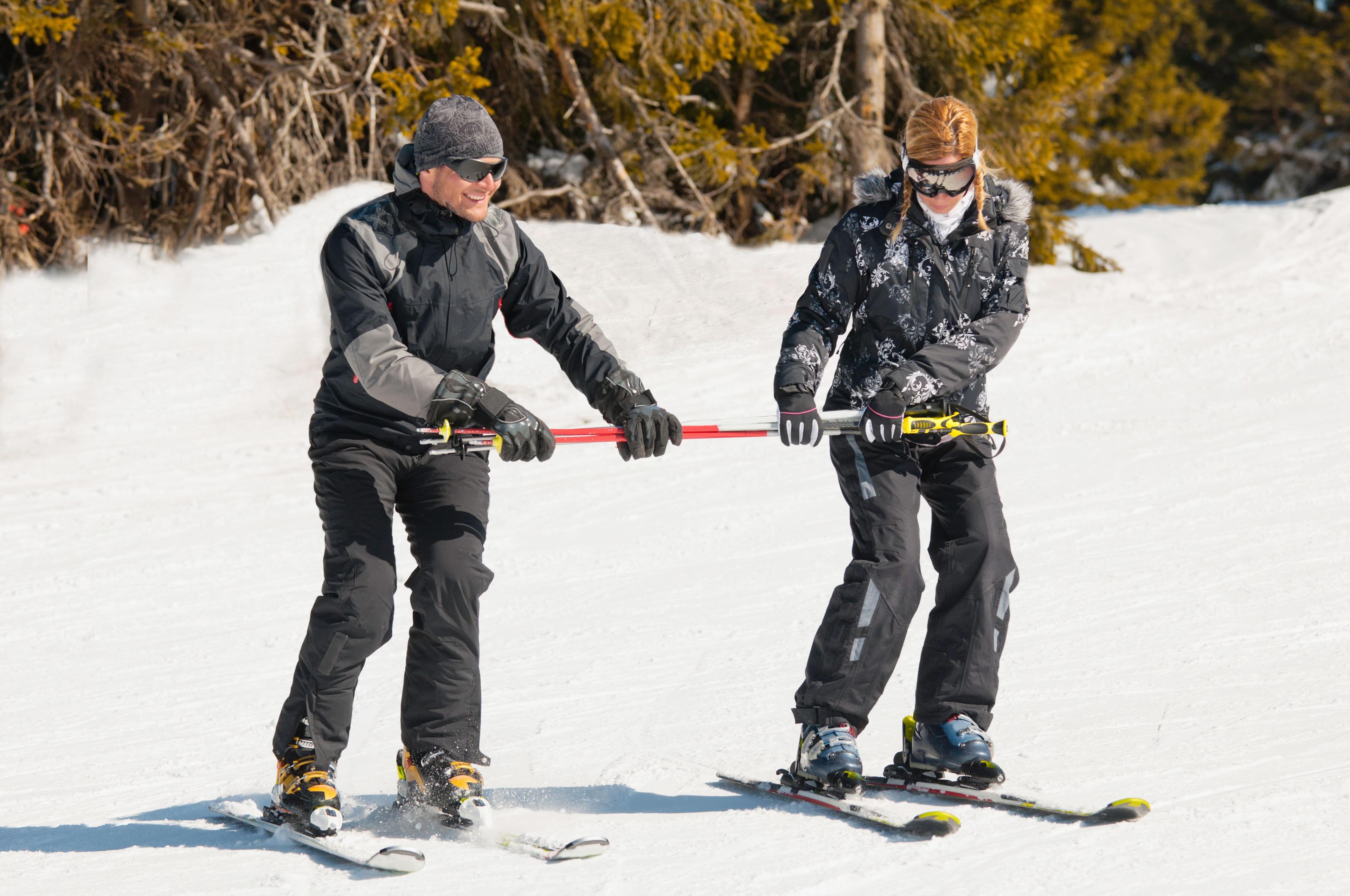
- Recording Basic Stance: Begin by filming the skier from both front and side angles while skiing in a straight line on gentle terrain.
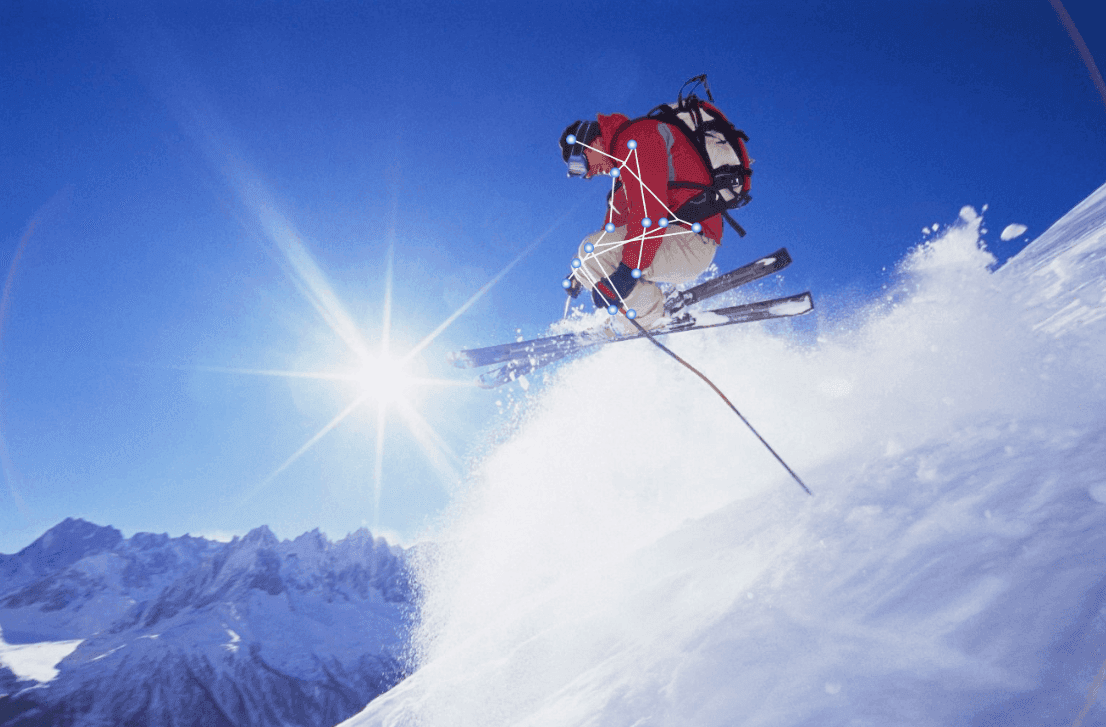
- Analyzing Stance and Balance: Use video analysis software to detect issues such as leaning back, dropping hips, or lack of core engagement.
- Feedback and Adjustment: Review the footage to help skiers correct their stance, focusing on keeping weight centered over the skis and engaging core muscles.
- Progress Tracking: Periodically record and review sessions to track improvements in stance and balance, making adjustments as needed.
2. Improving Basic Turning Techniques
Mastering turning techniques is fundamental for skiing on diverse terrains. Video analysis for ski turning is particularly helpful for refining snowplow and parallel turns:
- Recording Turns: Film the skier practicing snowplow and parallel turns from front and side angles on gentle slopes.
- Identifying Turning Issues: Look for problems like skidding, improper edge initiation, or difficulty in keeping skis parallel.
- Providing Feedback: Use visual feedback to refine the skier’s turning technique, ensuring proper edge control and weight distribution.
- Repetition and Review: Regularly capture and analyze turning drills to track progress, helping skiers build consistent turning skills.
3. Enhancing Speed Control through Edging and Turning
Effective speed control in skiing is crucial for navigating different terrains safely. Video analysis can enhance a skier’s ability to manage speed by refining edging and turning skills:
- Recording Speed Control Techniques: Capture footage on varied terrains to assess speed control techniques.
- Analyzing Edging and Turn Initiation: Look for signs of ineffective edging, delayed turn initiation, or inconsistent turn shapes.
- Feedback on Speed Control: Offer tips on edging technique and turning timing to improve speed control.
- Ongoing Assessment: Continuously record speed control practice to monitor improvements and make refinements in edging and turning as needed.
4. Proper Use of Ski Poles for Balance and Control
Effective ski pole usage enhances balance and timing, particularly during turns. Video analysis can be invaluable in refining pole planting techniques:
- Recording Pole Usage: Film the skier using poles to initiate turns and maintain balance from both front and side perspectives.
- Assessing Pole Plant Technique: Identify issues such as incorrect pole positioning, delayed pole planting, or lack of weight distribution.
- Providing Pole Planting Feedback: Suggest improvements in pole use, focusing on timely and accurate pole plants for balance and turn control.
- Regular Practice and Review: Record pole usage periodically to refine technique and support continuous improvement.
5. Navigating Different Types of Terrain
Different terrains require unique skiing skills and adjustments. Video analysis for skiing on varied terrains reveals areas for improvement in the skier’s adaptability:
- Recording Terrain-Specific Skills: Capture the skier navigating groomed runs, moguls, and powder from different angles.
- Identifying Terrain Technique Issues: Use video to detect technique inconsistencies, such as improper balance or lack of speed control.
- Adapting Technique for Terrain: Provide feedback on adjusting stance, turning, and balance for each terrain type.
- Periodic Review: Regularly record sessions on varied terrains to help skiers become adaptable and confident across all slope types.
6. Ensuring Safety Practices on the Slopes
Safety is paramount in skiing. Video analysis for ski safety helps skiers identify and correct unsafe behaviors:
- Recording Safety Observations: Film the skier on various runs to evaluate adherence to safe skiing practices.
- Assessing Safety Concerns: Identify risky behaviors such as excessive speed, neglect of skier’s responsibility code, or improper equipment use.
- Feedback on Safety Practices: Review footage with the skier to guide them on safe skiing techniques and responsible behavior.
- Consistent Safety Reviews: Regular video reviews reinforce safety habits and proactively correct unsafe practices.
Conclusion
Incorporating video analysis into ski training enhances a skier’s ability to refine technique, balance, speed control, and safety. By regularly reviewing footage with a ski coach, skiers can make informed adjustments, enabling continuous improvement and increased confidence on various terrains. Video analysis provides a structured, visual way to track progress, ensuring a steady path toward achieving skiing goals.