Rotary movements the ability to rotate the legs independently of the upper body are a cornerstone of effective skiing. These movements allow skiers to initiate, guide, and finish turns smoothly, adapting to changing terrain with control and agility. By combining traditional technique with Sprongo’s AI-powered analysis, athletes can develop precise rotary skills that translate into stronger, more consistent skiing.
What Are Rotary Movements?
Rotary movements involve rotating the legs within the hip sockets to direct the skis. Unlike leaning or twisting the upper body, true rotary movement comes from the lower body, ensuring balance and efficiency.
Why They Matter
Turn initiation: Rotary skills allow skiers to smoothly start a turn.
Speed control: Adjusting rotation affects how quickly skis change direction.
Adaptability: Rotary control is critical in moguls, narrow chutes, and variable snow.
Common Mistakes
Over-rotating the upper body, which disrupts balance.
Delayed rotary input, causing skids instead of smooth turns.
Uneven rotation between left and right legs, leading to asymmetry.
How Sprongo Enhances Learning
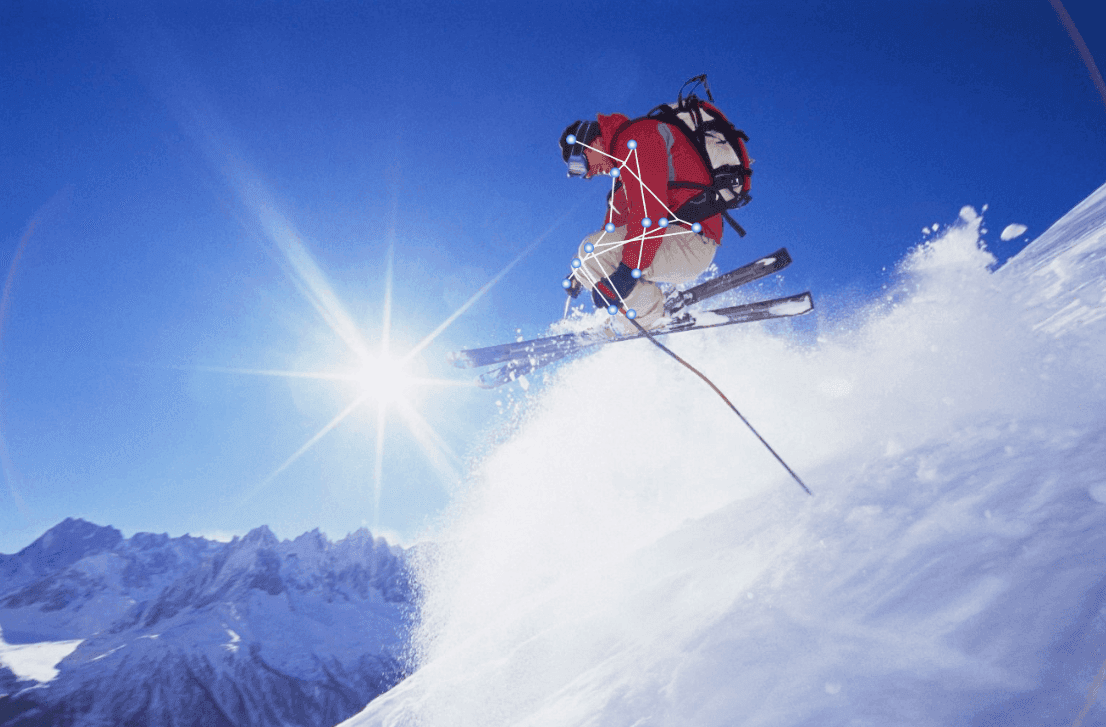
With frame-by-frame analysis, Sprongo helps coaches and athletes spot:
Timing of rotary leg movements
Separation between upper and lower body
Symmetry of turns in both directions
This detailed feedback ensures skiers learn to rotate effectively without sacrificing control.
Practice Progression
Beginners: Simple rotary drills on flat terrain.
Intermediates: Linked wedge-to-parallel turns with gradual rotary input.
Advanced skiers: Dynamic short-radius turns, analyzed with Sprongo to optimize timing and efficiency.
Conclusion
Rotary movements are the steering wheel of skiing. When executed with precision and reinforced by video analysis tools like Sprongo, they empower athletes to ski fluidly across any terrain.