Why Every Swim Coach Should Use Video Analysis
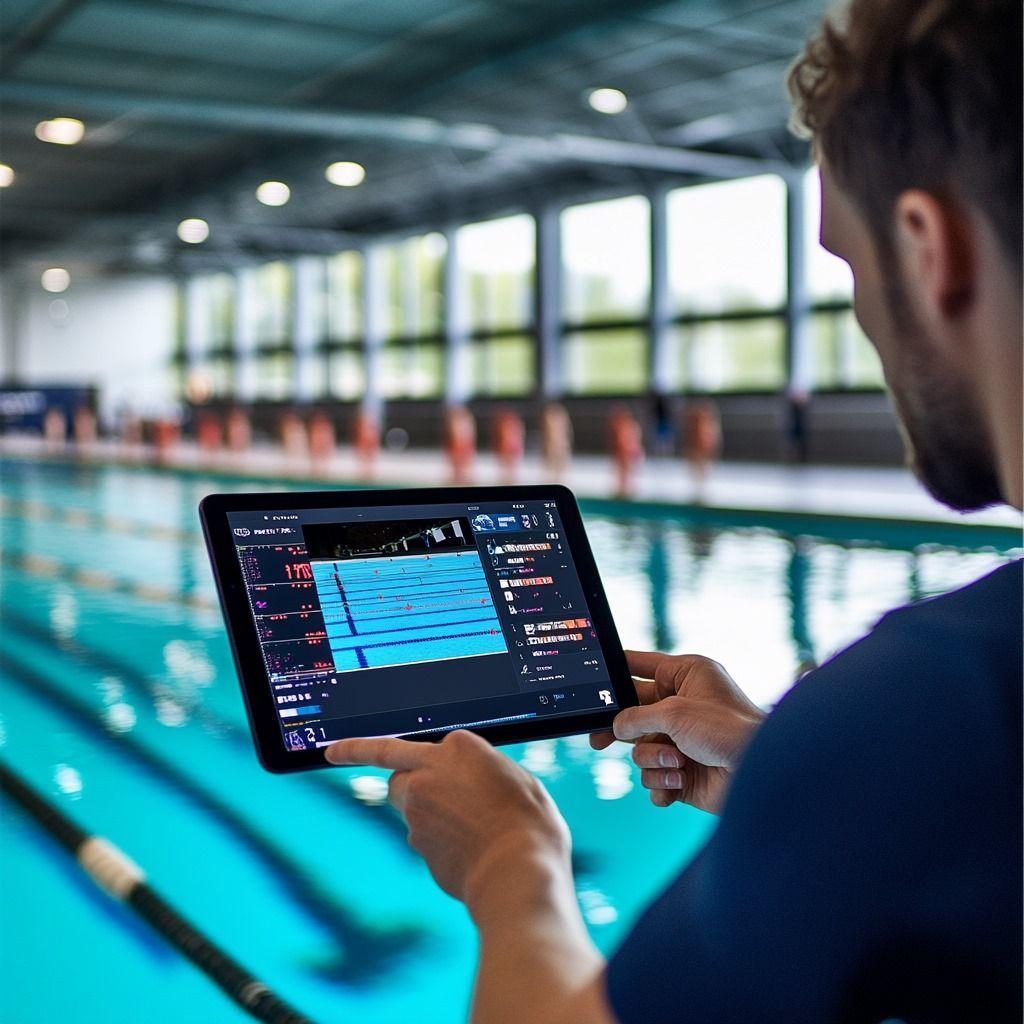
In swimming, technique and efficiency are everything. Even slight adjustments to a swimmer’s form can make a noticeable difference in speed and performance. That’s where video analysis comes in. Video technology gives coaches and swimmers an invaluable look at underwater technique, stroke mechanics, and body alignment that can be difficult to observe in real-time.
Here’s how video analysis can enhance training for swimmers and become an indispensable part of every swim coach’s toolkit.
The Benefits of Video Analysis in Swimming
- Improved Stroke Efficiency
- Identifying Weak Spots
By recording swim sessions and analyzing them in slow motion, coaches can break down each phase of a swimmer's stroke—from hand entry to pull-through and recovery. This makes it easier to identify areas that may be causing drag or slowing down the stroke, helping swimmers refine their movements for maximum efficiency. - Fine-Tuning Techniques
Video analysis allows coaches to observe subtle details, such as the angle of the arms and hands or the position of the head during each stroke. These details, when adjusted, can reduce drag and improve propulsion through the water.
- Identifying Weak Spots
- Enhancing Body Alignment
- Optimal Body Position
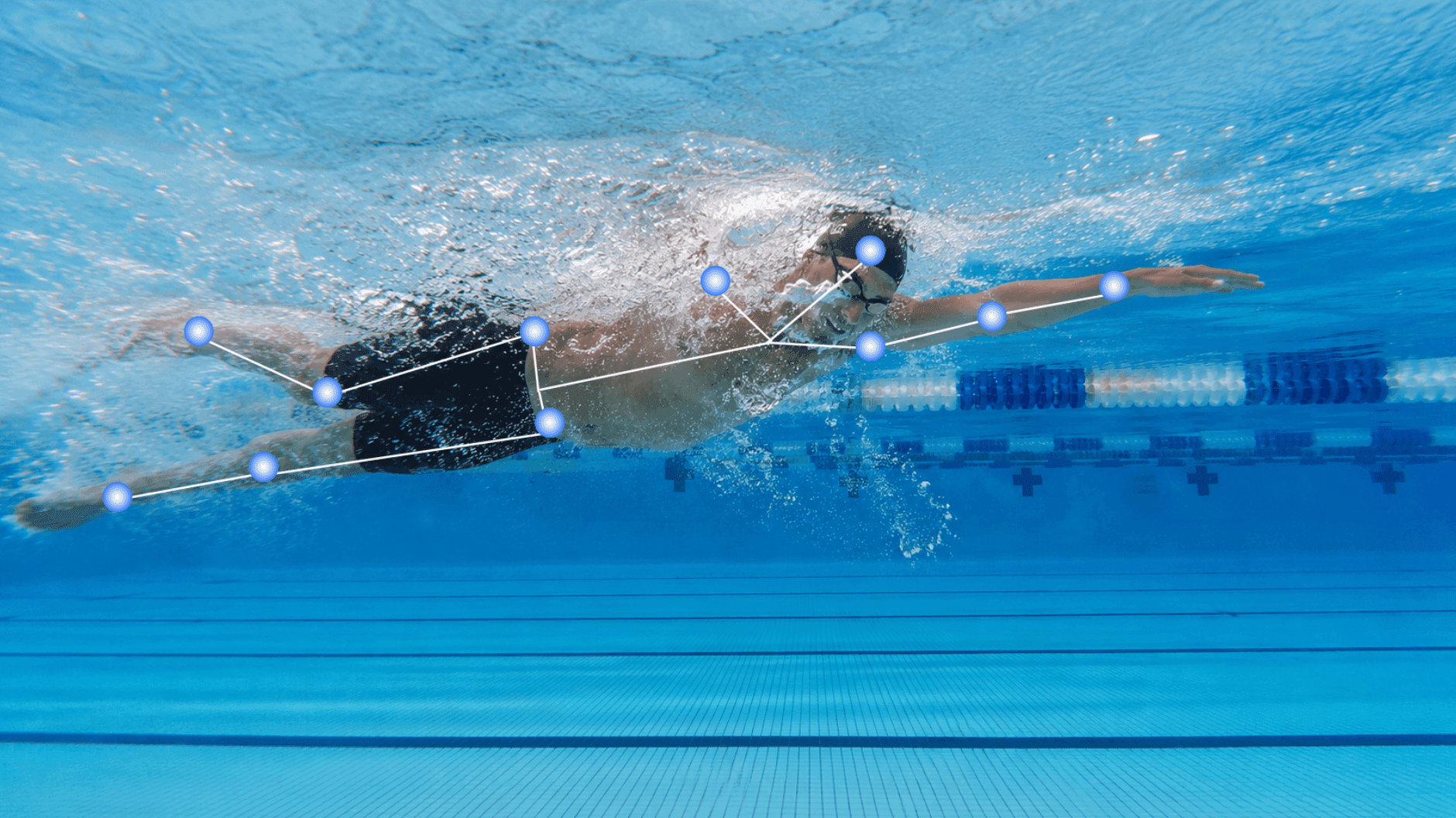
One of the keys to faster swimming is maintaining a streamlined position. Underwater video footage shows how the swimmer’s body moves through the water, highlighting any issues with body alignment, such as hips sinking or an uneven stroke. With these insights, coaches can guide swimmers on adjustments to keep their body aligned and reduce resistance. - Tracking Movement Consistency
Consistency in body alignment is crucial for efficient swimming. Using side-by-side video comparisons of different laps, coaches can observe if the swimmer’s form shifts due to fatigue or other factors, allowing for adjustments that can lead to better endurance and stability.
- Optimal Body Position
- Better Kick and Leg Positioning
- Foot Position and Angle
Video analysis helps coaches observe swimmers’ kicks with clarity. They can review the foot’s positioning and angle relative to the body, helping athletes achieve a more efficient kick for forward momentum rather than unnecessary drag. - Timing and Rhythm
A coordinated kick is essential for a balanced stroke. By breaking down footage of the swimmer’s kicks, coaches can identify if the rhythm is synchronized with the arm stroke, allowing athletes to create a more powerful, fluid movement through the water.
- Foot Position and Angle
How to Use Video Analysis for Stroke Technique Improvement
- Recording Underwater Shots
For a complete view of a swimmer’s form, it’s ideal to record footage both above and below the water. This captures a comprehensive view of the stroke, arm mechanics, body position, and kick from all angles. - Using Annotation Tools for Feedback
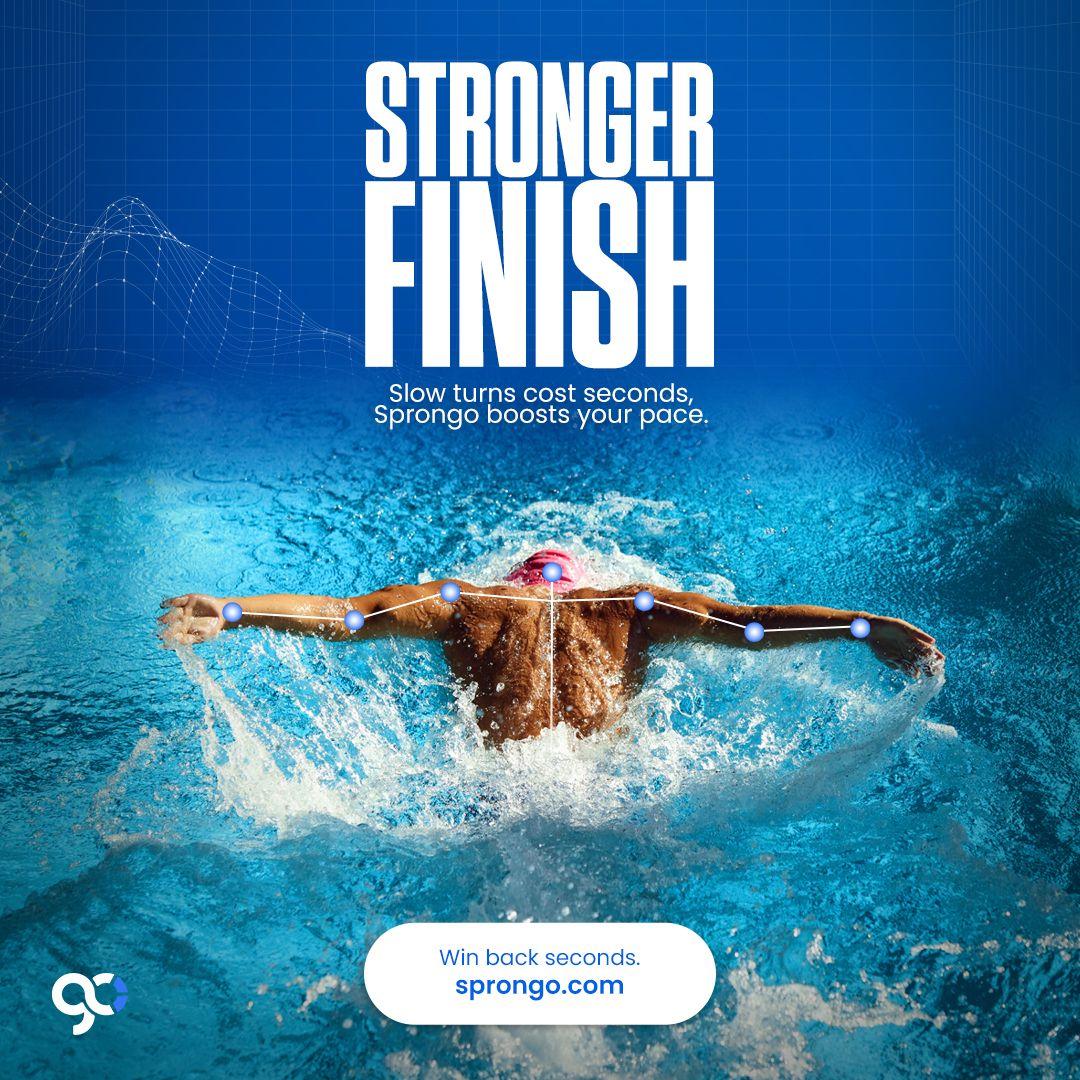
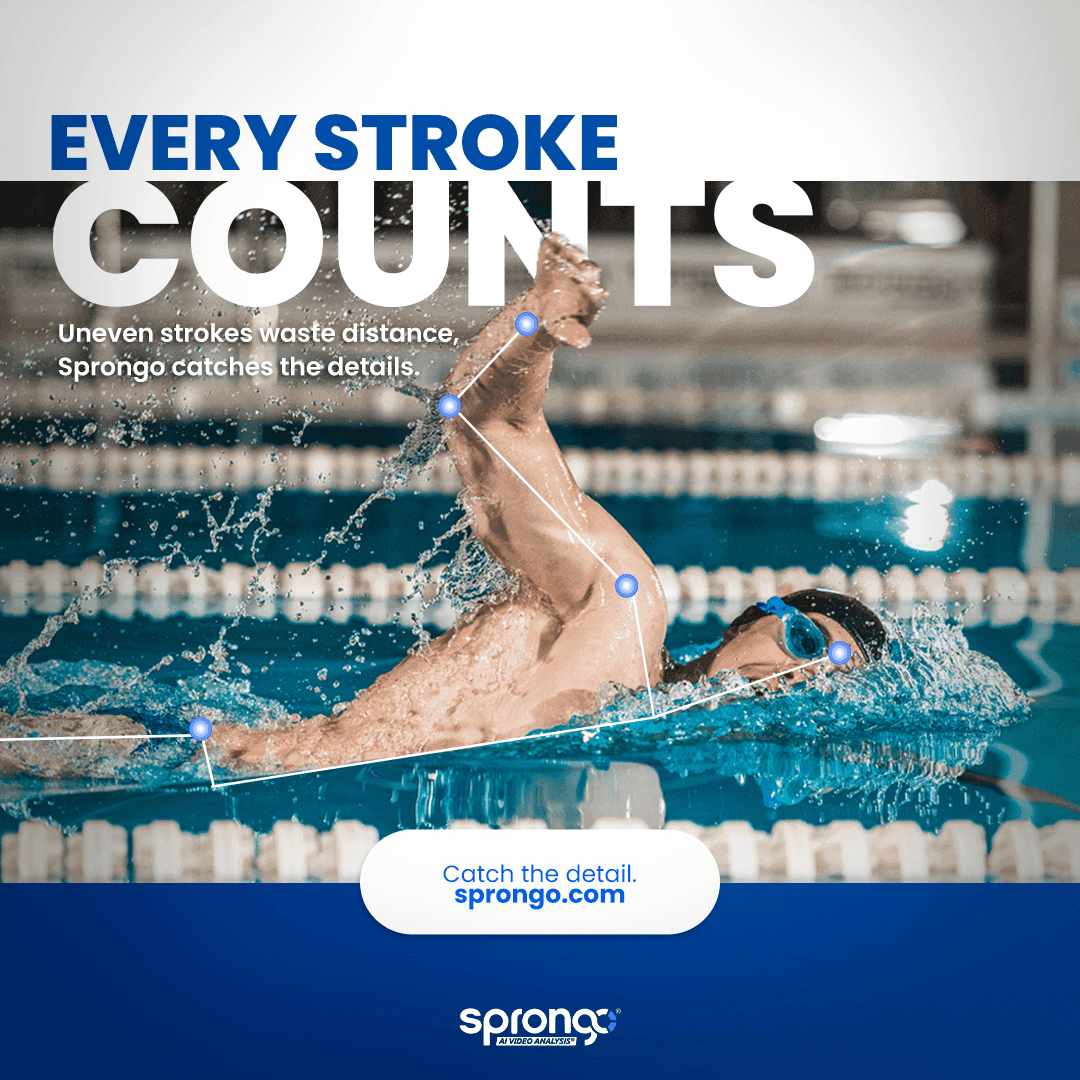
Sprongo’s annotation tools allow coaches to mark and highlight specific points in a swimmer’s form, such as shoulder rotation, head position, or hand entry. By providing visual cues on the video, swimmers can see exactly where adjustments are needed. - Comparing Technique Over Time
Video analysis is also valuable for tracking progress. Coaches can save videos and compare performances over time, helping swimmers see how their adjustments lead to improvements. This also serves as a motivating factor, showing athletes that their hard work is paying off. - Implementing Slow-Motion Replay
Swimming happens quickly, making it challenging to catch every detail. Slow-motion replay is a powerful tool for slowing down the movement and analyzing each component of a stroke or turn, providing a deeper understanding of technique and areas for improvement.
Conclusion
Video analysis provides swim coaches and athletes with a clear, objective view of performance that is difficult to achieve through observation alone. By analyzing each stroke, kick, and movement in detail, coaches can help swimmers optimize their technique, reduce drag, and improve efficiency in the water.
Incorporating video analysis into regular training sessions can make a significant difference in performance, helping swimmers reach their full potential. For swim coaches aiming to elevate their athletes’ abilities, video analysis is an essential tool that can turn good swimmers into great ones.