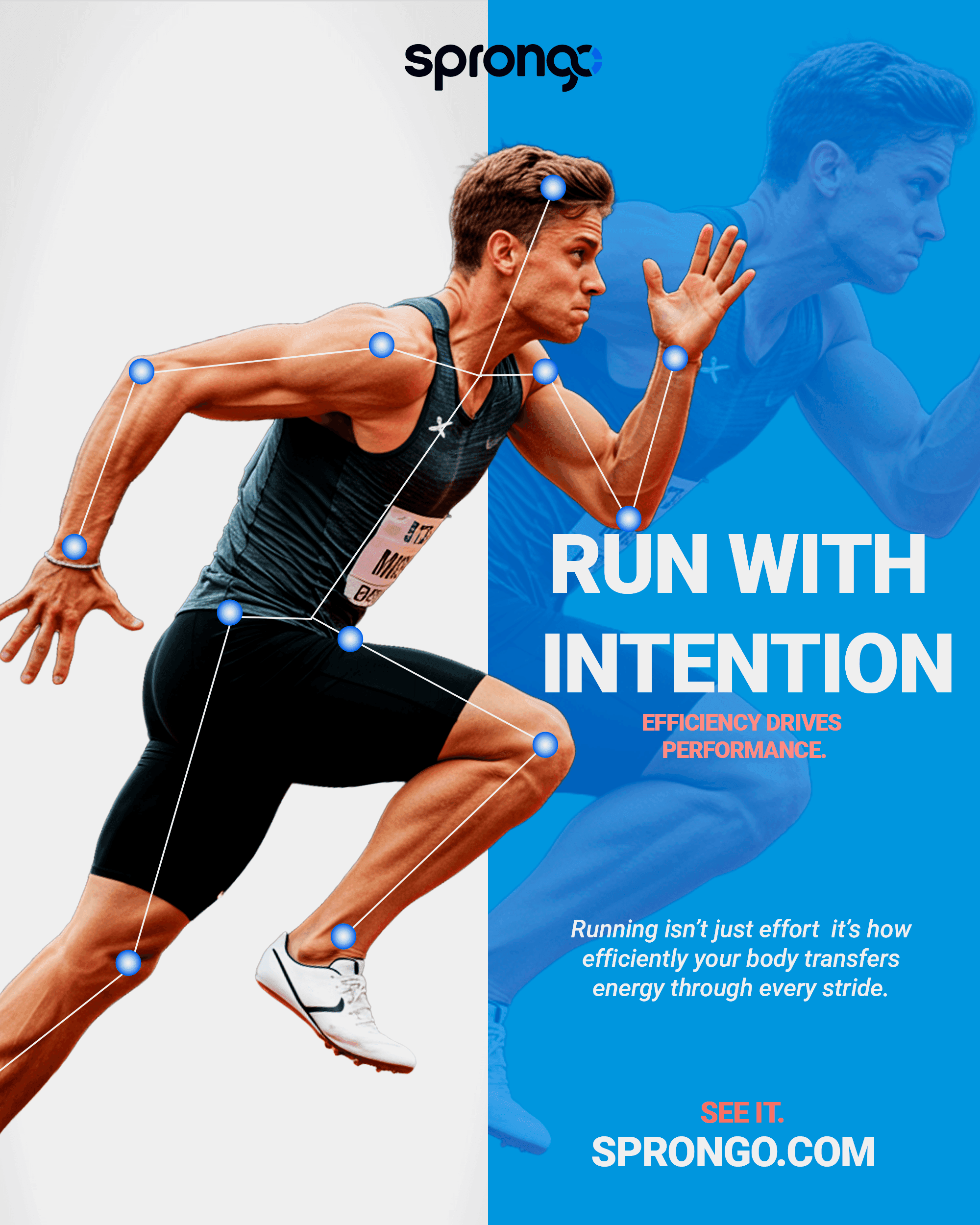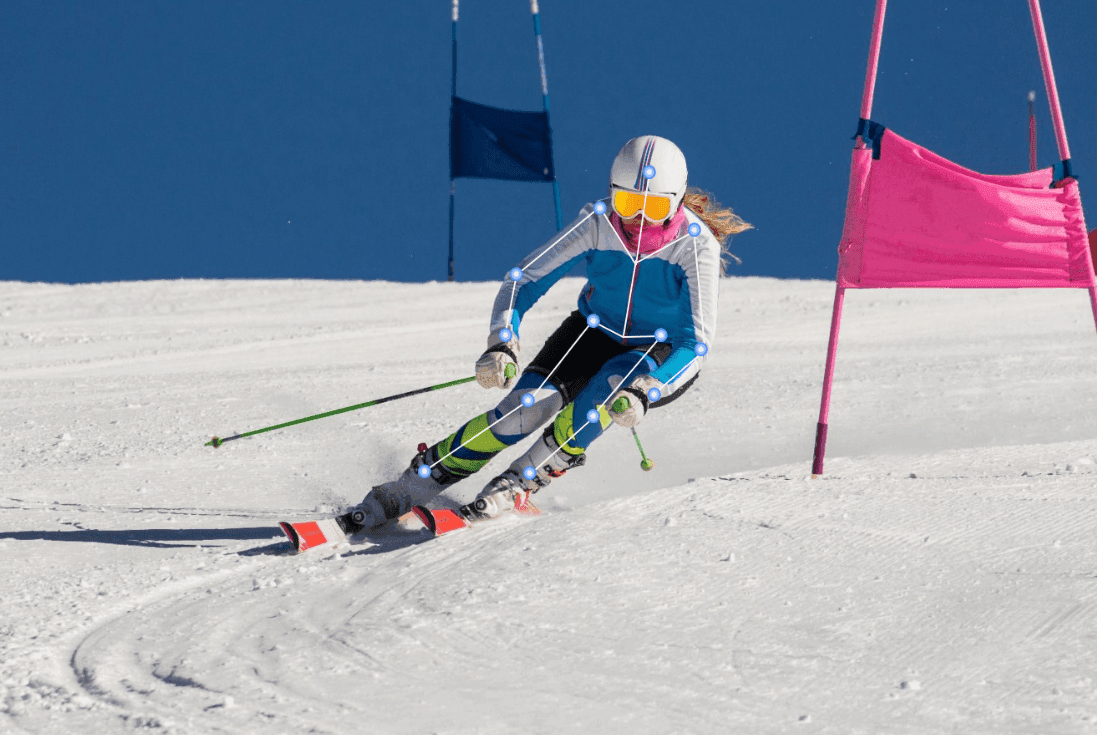
At the heart of skiing technique lies two essential skills: edging and pressure control. These movements allow skiers to steer effectively, maintain balance, and adapt to varied terrain. Mastering them is what separates beginners from advanced athletes and with the help of tools like Sprongo, their development becomes even more efficient.
What is Edging?
Edging refers to the angle of the skis against the snow. By tilting the skis and engaging the edges, skiers can carve turns and control direction with precision.
Low edge angles = gentle turns, more stability.
High edge angles = aggressive carving, tighter turns.
What is Pressure Control?
Pressure control is the ability to manage weight distribution along the skis. Proper control helps skiers:
Absorb terrain changes
Stay balanced during turns
Generate speed through carving
Why These Skills Matter Together
Edging and pressure control work hand-in-hand. Without pressure, edging loses its power. Without edging, pressure cannot direct the turn. Skiers must blend both for smooth, controlled movement.
Using Sprongo to Refine Technique
With AI-powered video analysis, Sprongo lets coaches and athletes review:
Timing of edge engagement
Pressure shifts throughout the turn
Symmetry between left and right turns
Frame-by-frame breakdowns highlight subtle errors, making corrections faster and more effective.
Building Strong Habits
Beginners: Learn gentle edge angles and basic pressure control.
Intermediates: Practice balance drills to refine edge engagement.
Advanced athletes: Analyze carving precision and optimize performance using Sprongo.
Edging and pressure control are the foundations of effective skiing. By pairing these essential skills with modern analysis tools, athletes can refine their movements and maximize performance on every run.