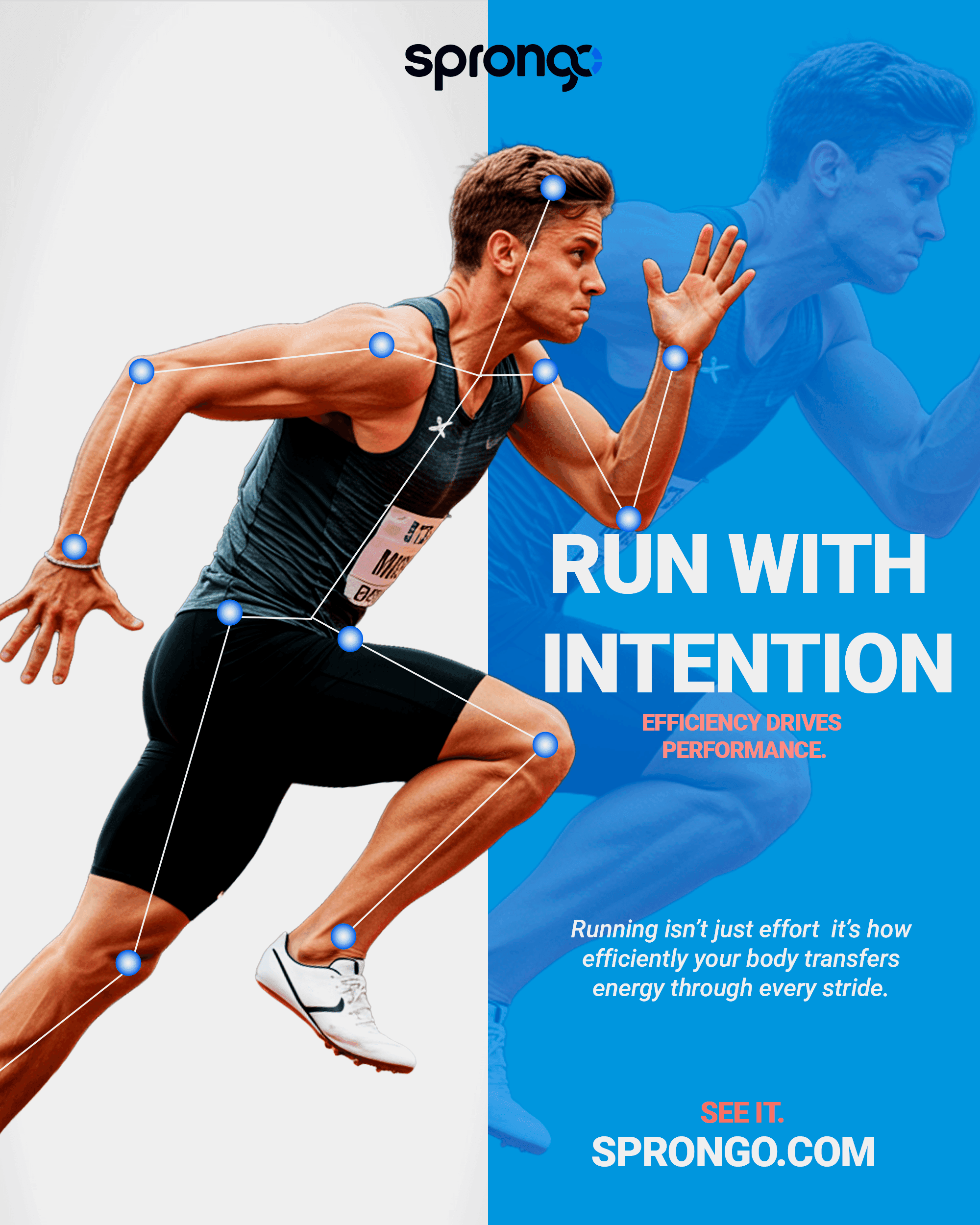
Running is often associated with effort, endurance, and speed, but efficient running is not only about how hard an athlete works. Two runners can produce the same level of effort and achieve very different results depending on how well their body transfers energy through each stride. This is why running efficiency has become such an important focus in modern performance training.
Every stride is a repeated movement pattern. The body absorbs force, stabilizes, pushes off, and resets again in a fraction of a second. Over short distances, small inefficiencies may not seem obvious. Over hundreds or thousands of steps, however, those details can affect speed, fatigue, consistency, and overall performance.
One of the key elements of efficient running is posture. A runner’s trunk position influences how force travels through the body. If the athlete leans too far forward, collapses through the hips, or loses upper-body stability, the stride may become less efficient. Good posture allows the body to stay organized while the legs produce and transfer force with less wasted movement.
Stride mechanics also depend heavily on ground contact. Efficient runners usually minimize unnecessary braking forces and create smoother transitions from landing to push-off. If the foot lands too far in front of the body, the athlete may slow themselves down with every step. If contact is unstable or poorly timed, energy can be lost before the next stride begins.
Hip position plays a major role as well. The hips help control stride length, knee drive, and force transfer. When the hips drop, rotate excessively, or fail to stabilize, the rest of the movement often compensates. This can affect rhythm, balance, and running economy. Coaches often look closely at hip control because it influences both speed and long-term movement quality.
Arm action is another detail that is sometimes overlooked. The arms help support rhythm, balance, and coordination. Excessive side-to-side movement, tight shoulders, or poor timing between the arms and legs can create unnecessary tension. In efficient running, the upper and lower body work together rather than against each other.
Video analysis is especially useful for reviewing running mechanics because the movement happens quickly and repeatedly. An athlete may feel smooth while video shows overstriding, poor posture, uneven ground contact, or limited hip control. These details can be difficult to identify from feel alone, especially when the athlete is focused on speed or fatigue management during training.
Slow-motion review allows coaches to isolate each phase of the stride. They can study foot strike, knee drive, hip position, trunk stability, arm action, and push-off mechanics more clearly. Side-by-side comparison can also help athletes see how their form changes between different speeds, distances, or training conditions.
For runners, visual feedback creates better awareness. Instead of simply being told to “run taller,” “drive the knee,” or “stay relaxed,” athletes can see the exact moments where their movement changes. This makes technical feedback easier to understand and apply in future sessions.
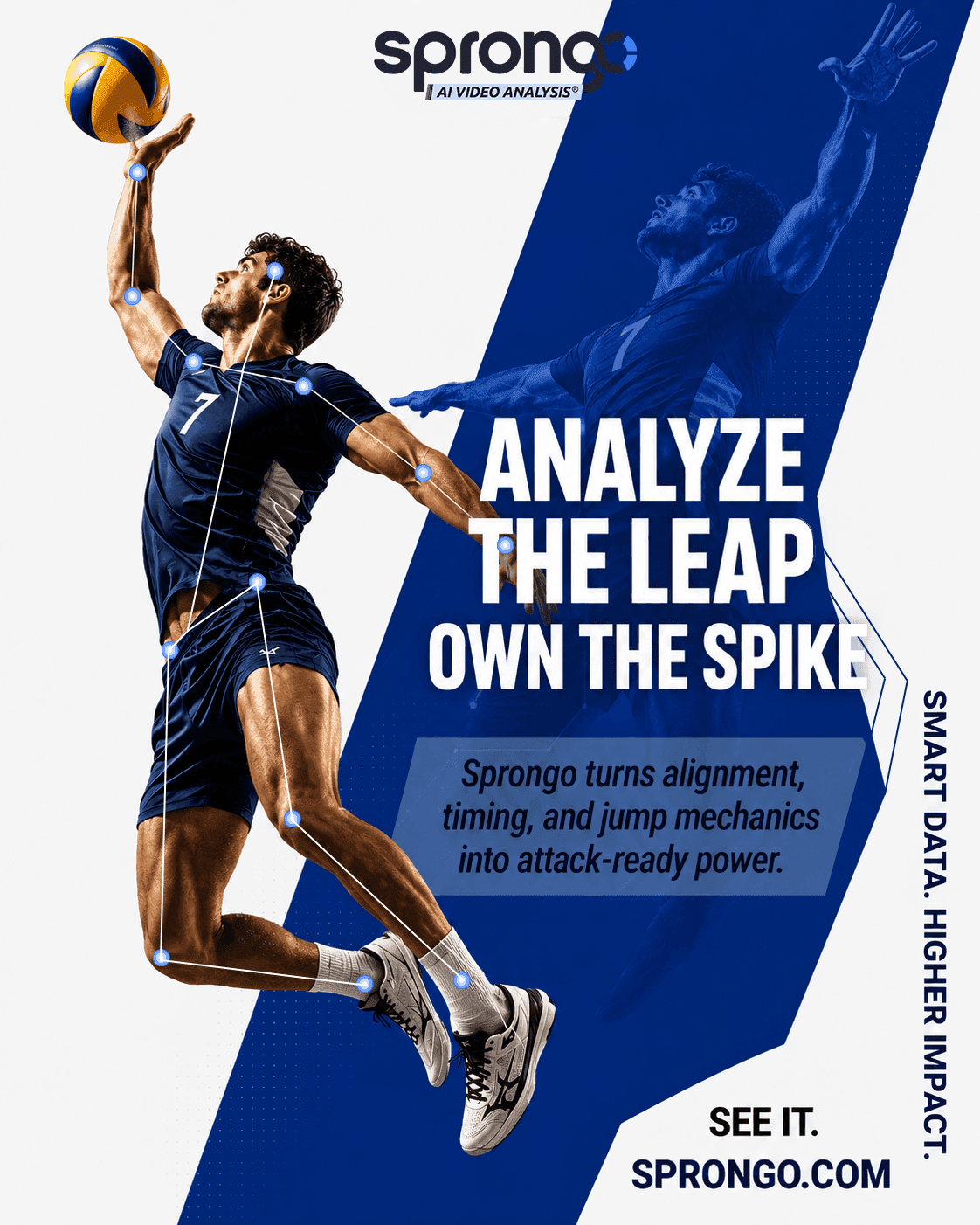
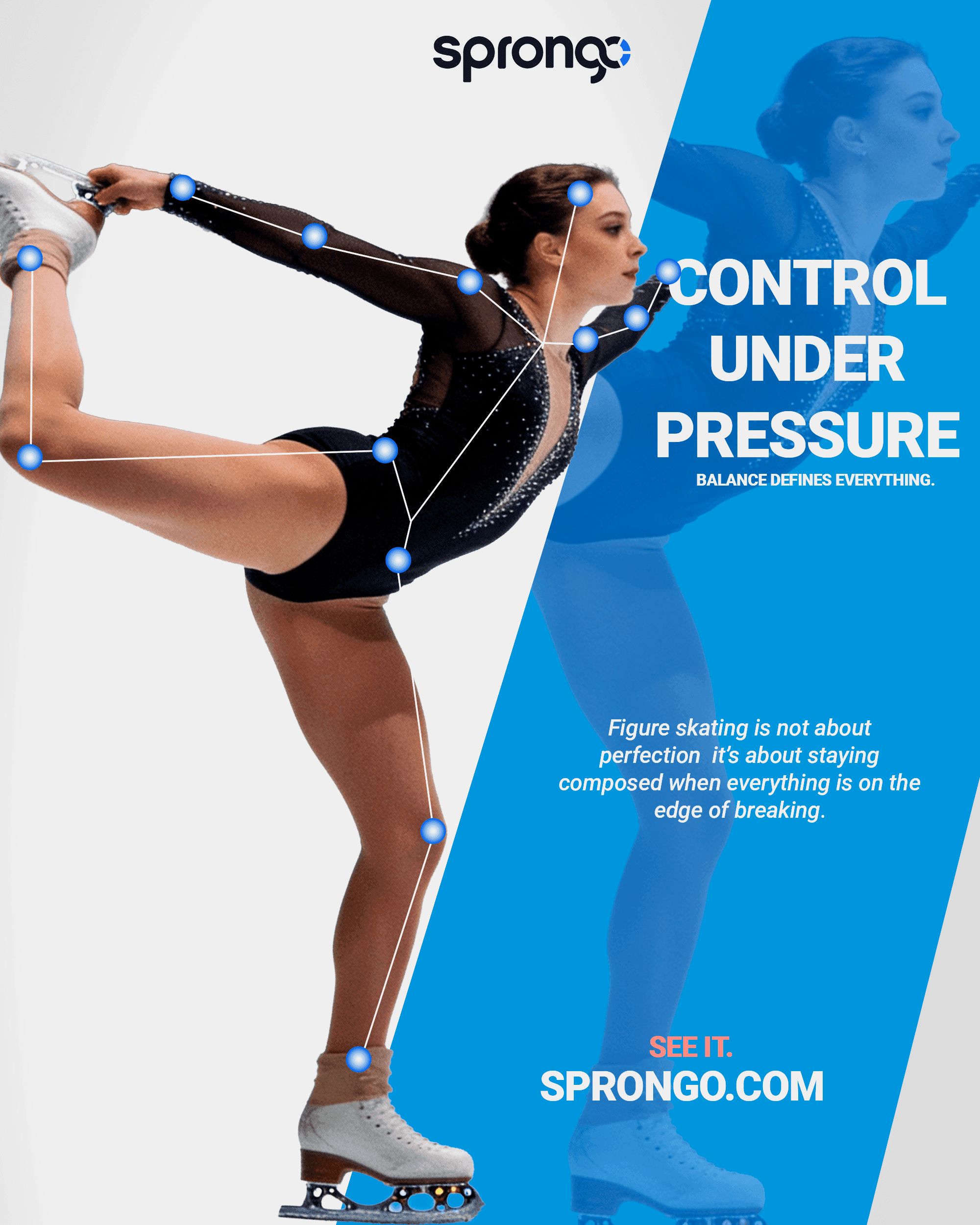
Platforms like Sprongo can support running development by helping coaches and athletes review movement with greater clarity. With slow-motion playback, frame-by-frame review, and visual feedback tools, coaches can break down stride mechanics in a way that turns fast movement into practical coaching insight.
Running performance is not only built through effort. It is shaped by how efficiently the body moves, absorbs force, transfers energy, and repeats each stride. When athletes understand their mechanics more clearly, they can train with better intention and develop movement patterns that support stronger, more consistent performance.