Motor learning in skiing is guided by core principles that shape how athletes acquire and refine their skills. Understanding these principles helps both coaches and athletes structure training sessions more effectively, ensuring that performance improvements are long-lasting and transferable to different skiing environments.
Key Principles of Motor Learning
Specificity of Practice
Skiers learn best when practicing in conditions that closely mirror real performance environments. Training on varied slopes and snow conditions ensures skills are adaptable.Feedback and Knowledge of Results
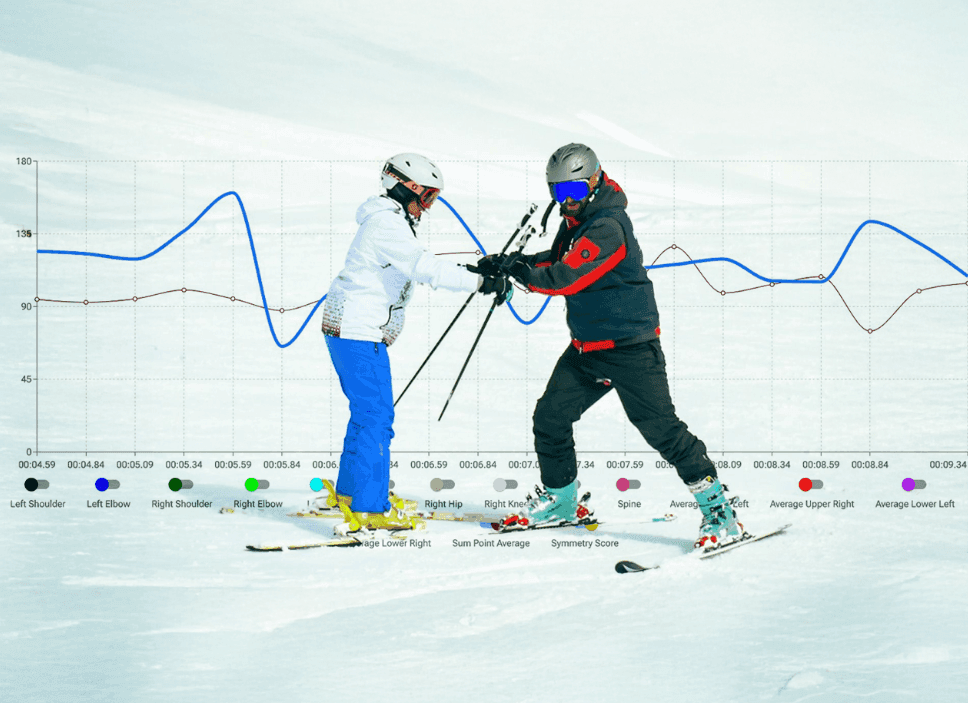
Athletes improve faster when given timely and precise feedback. Sprongo provides visual evidence of performance, allowing athletes to see what went right—and what can be improved.Distributed Practice
Short, frequent practice sessions are often more effective than long, fatiguing ones. Consistent exposure helps reinforce neuromuscular pathways.Transfer of Learning
Skills developed in one area (like balance drills) can positively impact related areas (like edge control).Retention
The ability to retain skills over time determines long-term performance. Recording and reviewing progress with tools like Sprongo helps reinforce retention.
How Sprongo Supports Motor Learning
Sprongo makes these principles practical. By combining visual feedback, comparison tools, and long-term performance tracking, athletes can train smarter and accelerate their mastery of skiing fundamentals.
Mastering skiing isn’t only about effort—it’s about applying the right principles consistently. With Sprongo, motor learning becomes structured, efficient, and measurable.