In skiing, skill acquisition is the process through which athletes develop, refine, and master the technical and tactical abilities required to perform at higher levels. With today’s advanced training methodologies and technology, coaches and athletes can approach this process in a structured and more efficient way.
The Phases of Skill Acquisition
Skill acquisition in skiing typically follows three main stages:
Cognitive Phase – Beginners focus on understanding movements. Errors are frequent, and athletes rely heavily on instructions and demonstrations.
Associative Phase – Movements become smoother, errors decrease, and athletes start to self-correct using feedback and repetition.
Autonomous Phase – Skills are performed with little conscious effort, allowing skiers to focus on tactics, speed, and adapting to variable conditions.
The Role of Video Analysis
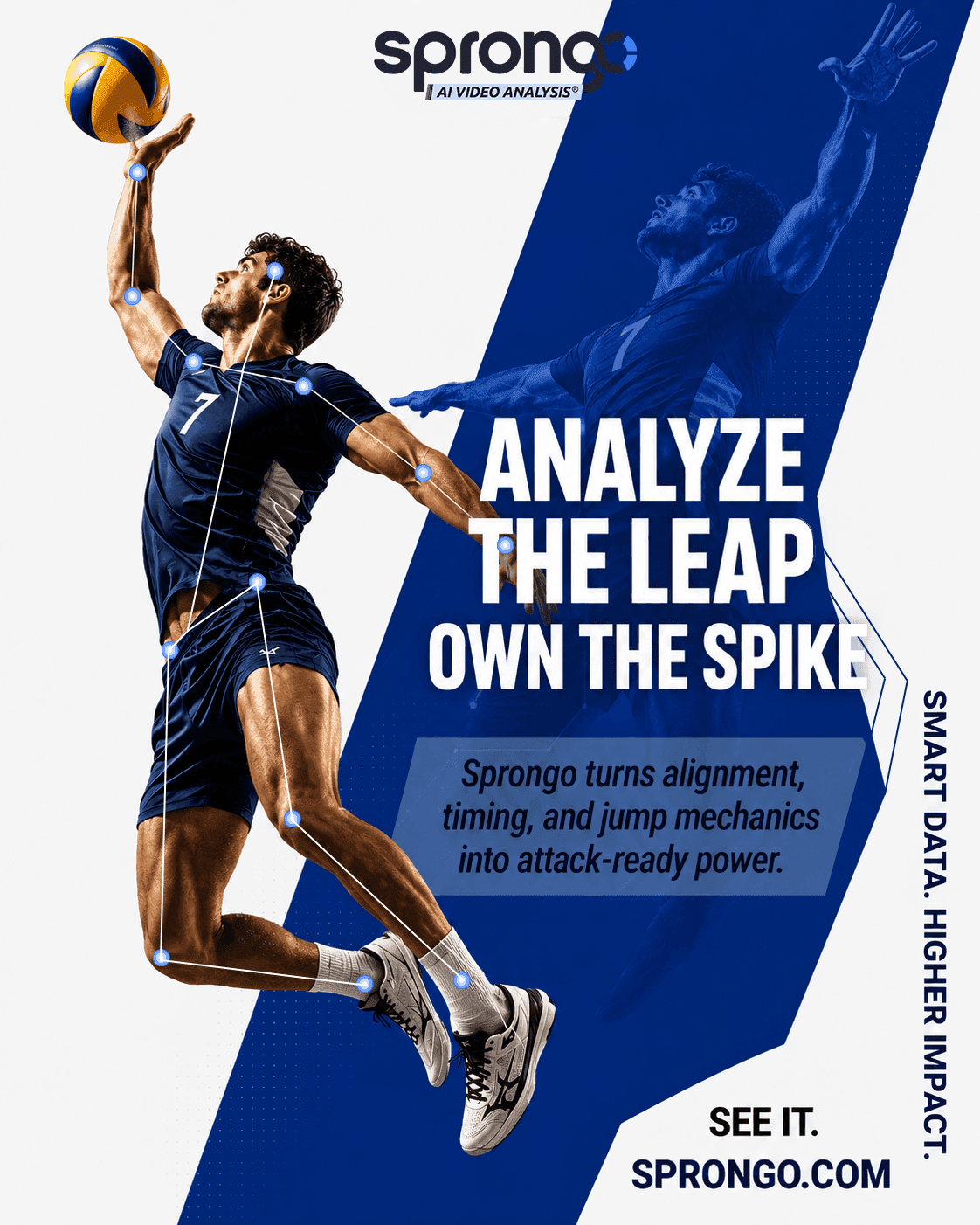
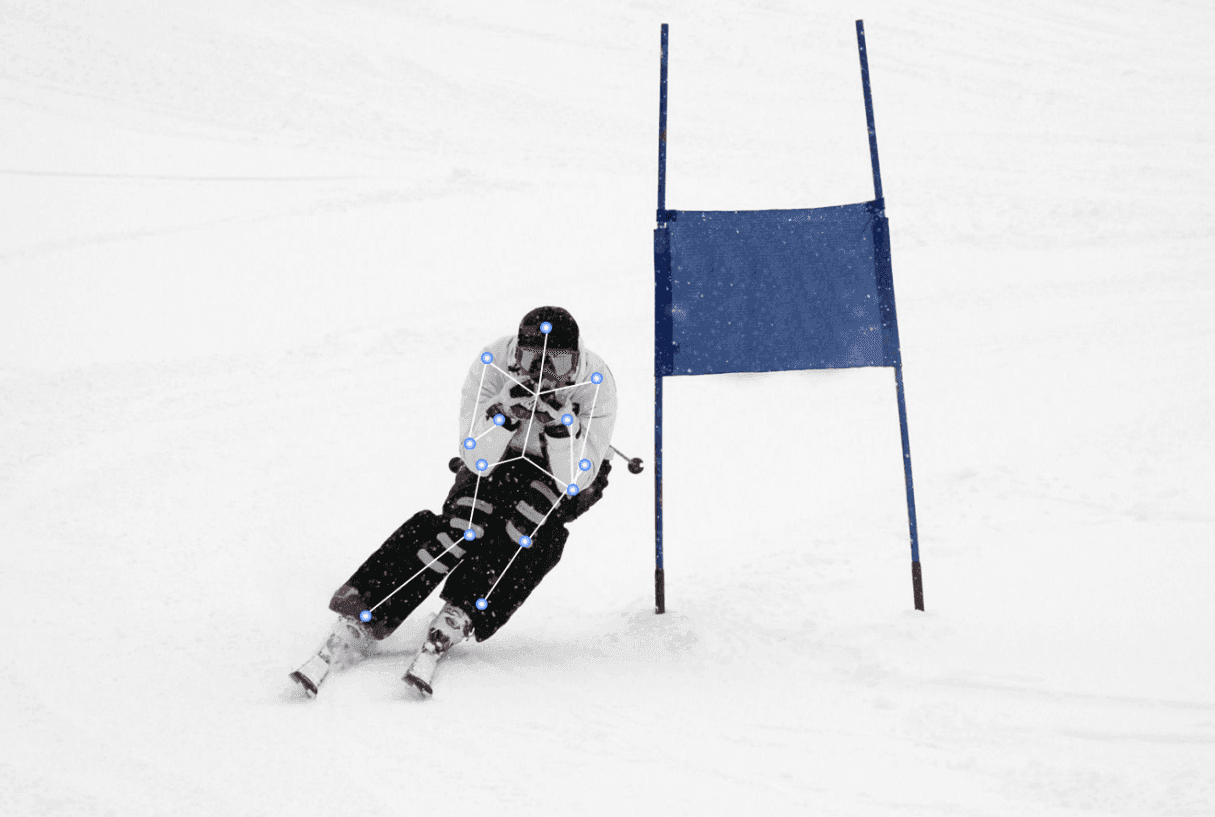
Sprongo’s advanced video analysis tools play a crucial role in accelerating skill acquisition. By breaking down movements frame-by-frame, athletes can see exactly where errors occur and identify areas for improvement. Coaches can provide specific feedback supported by visual evidence, making the learning process more effective.
Building Long-Term Skill Development
Skill acquisition is not just about mastering one movement—it’s about developing a foundation for consistent improvement. Coaches and athletes can use Sprongo to track progress over time, compare performances, and build a continuous learning cycle that enhances both technical and tactical performance.
Developing skiing skills is a journey that requires structured training, consistent feedback, and the right tools. With Sprongo, athletes gain deeper insights into their performance, helping them achieve higher levels of mastery on the slopes.