Figure skating is often described through elegance, artistry, and performance quality, but every movement on the ice depends on technical control. A skater may appear effortless during a spiral, spin, jump, or transition, yet the body is constantly managing balance, pressure, speed, and alignment. The beauty of the sport comes from the ability to stay composed while moving on the edge of instability.
Unlike many sports performed on stable ground, figure skating requires athletes to control movement on a narrow blade over ice. This makes balance one of the most important parts of performance. Every shift in body position affects edge quality, speed, direction, and stability. A small change in the hips, shoulders, head position, or free leg can influence the entire movement.
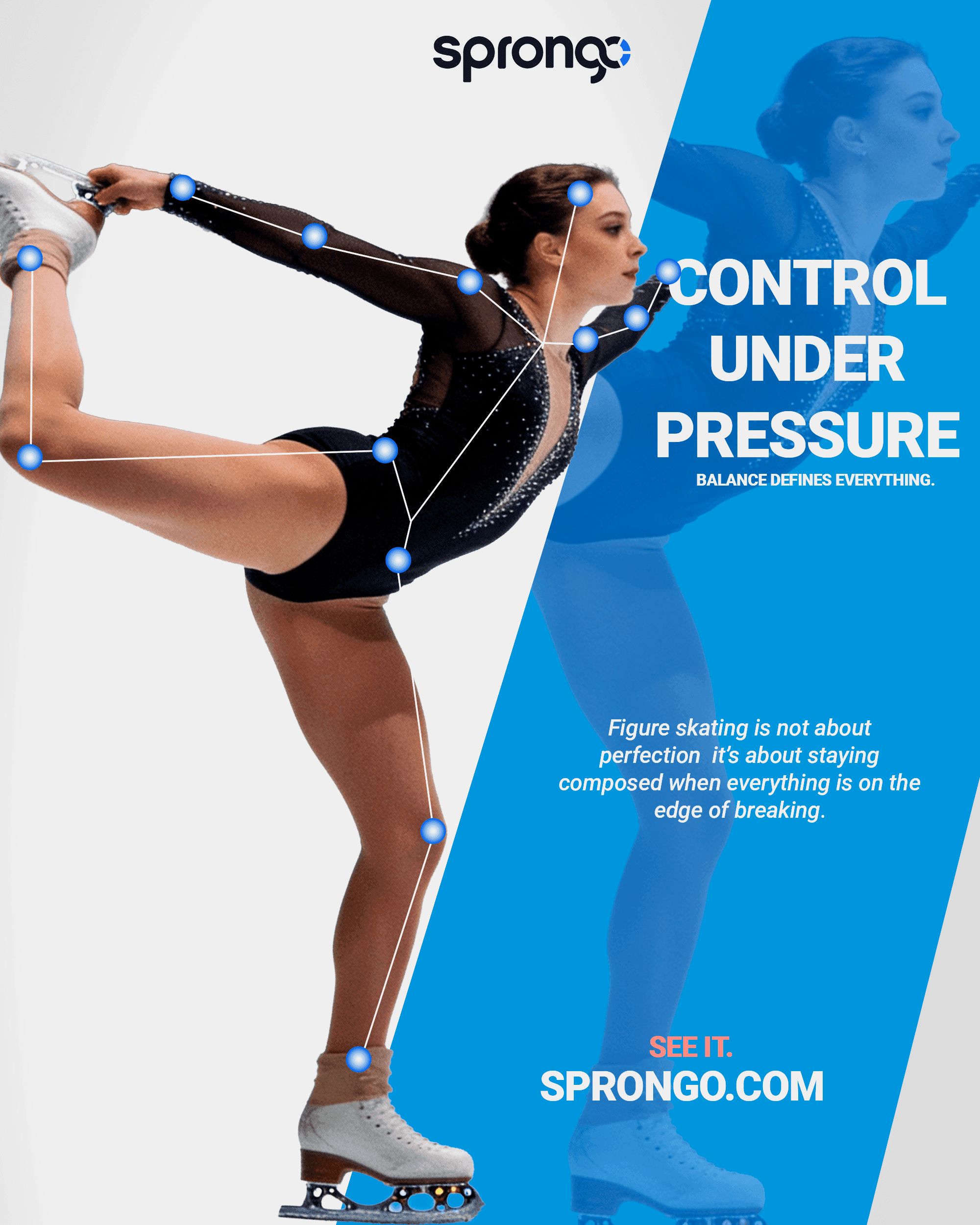
One of the most important technical elements in figure skating is body alignment. Skaters must maintain control through the ankle, knee, hip, spine, shoulders, and arms while moving through complex positions. In a spiral, for example, the athlete needs enough flexibility to create extension, but also enough strength and control to maintain balance while gliding. Flexibility alone is not enough if the body cannot hold the position with stability.
Edge control is another major factor. Figure skating depends on how well the athlete controls inside and outside edges while moving through turns, jumps, spins, and transitions. If the edge is unstable or poorly timed, the skater may lose speed, balance, or flow. Strong edge control allows the athlete to move with precision while maintaining the rhythm of the program.
Pressure management also plays a major role. The skater must understand how weight shifts through the blade and how force is applied into the ice. Too much pressure in the wrong direction can interrupt balance, while too little pressure can reduce control. The most efficient skaters make these adjustments smoothly, which is why their movement often looks calm even when the technical demand is high.
Video analysis is especially useful in figure skating because many details happen too quickly to fully evaluate in real time. A coach may see that a movement lost quality, but video review can help identify why it happened. Was the shoulder line unstable? Did the hips open too early? Was the free leg dropping? Did the skater lose edge pressure before the transition? These details become much easier to study when movement can be reviewed frame by frame.
Visual feedback also helps skaters understand how their movement looks compared to how it feels. A skater may feel fully extended or balanced, but video may reveal small alignment issues, uneven posture, or a loss of control through the upper body. Seeing these details makes feedback more objective and easier to apply in the next repetition.
For coaches, video review makes technical communication clearer. Instead of only giving verbal corrections such as “stay lifted,” “hold the edge,” or “control the hip,” coaches can show the exact moment where the movement changes. This helps athletes connect the correction with the visual result, which is especially important in a sport where performance quality and technical execution are closely linked.
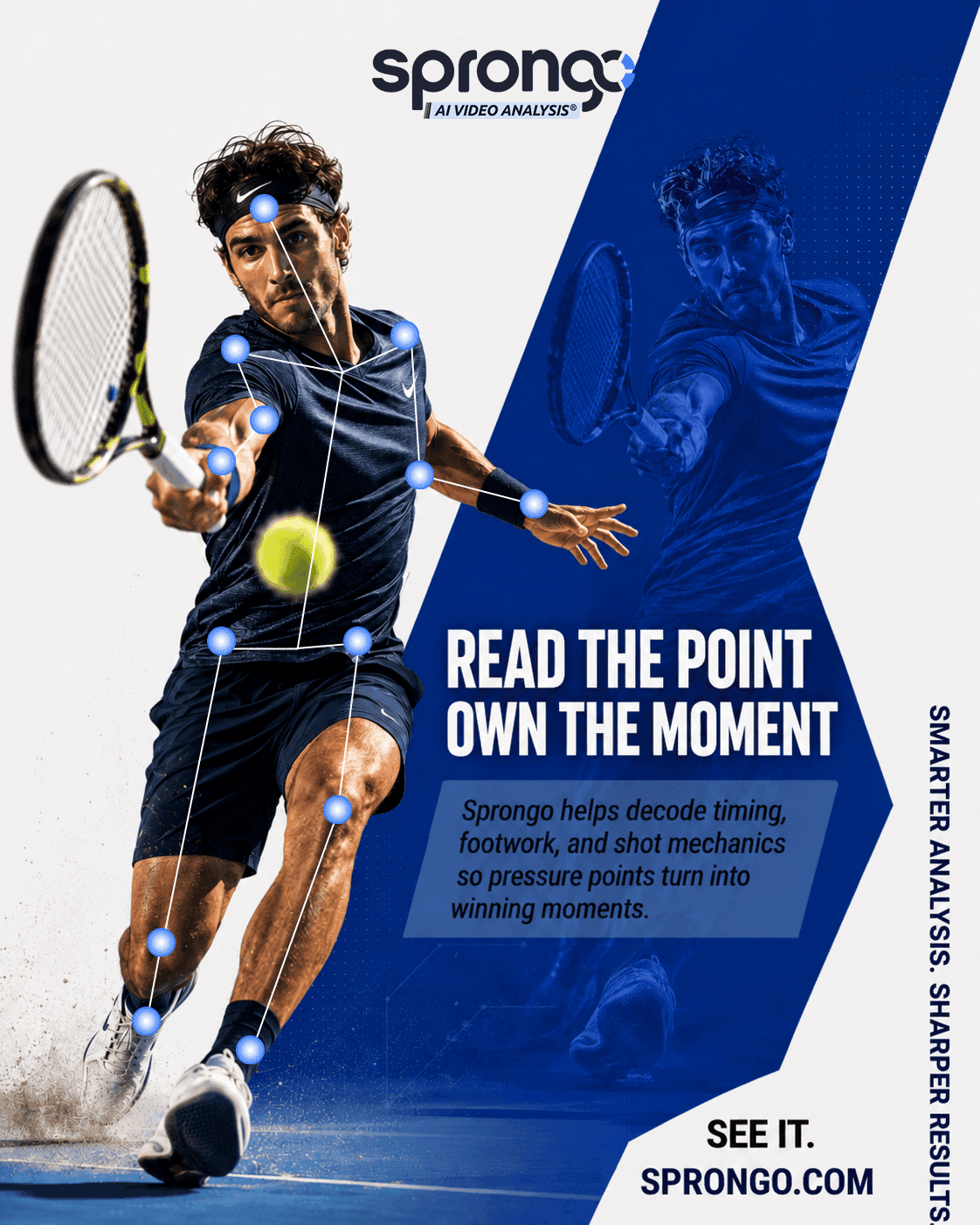
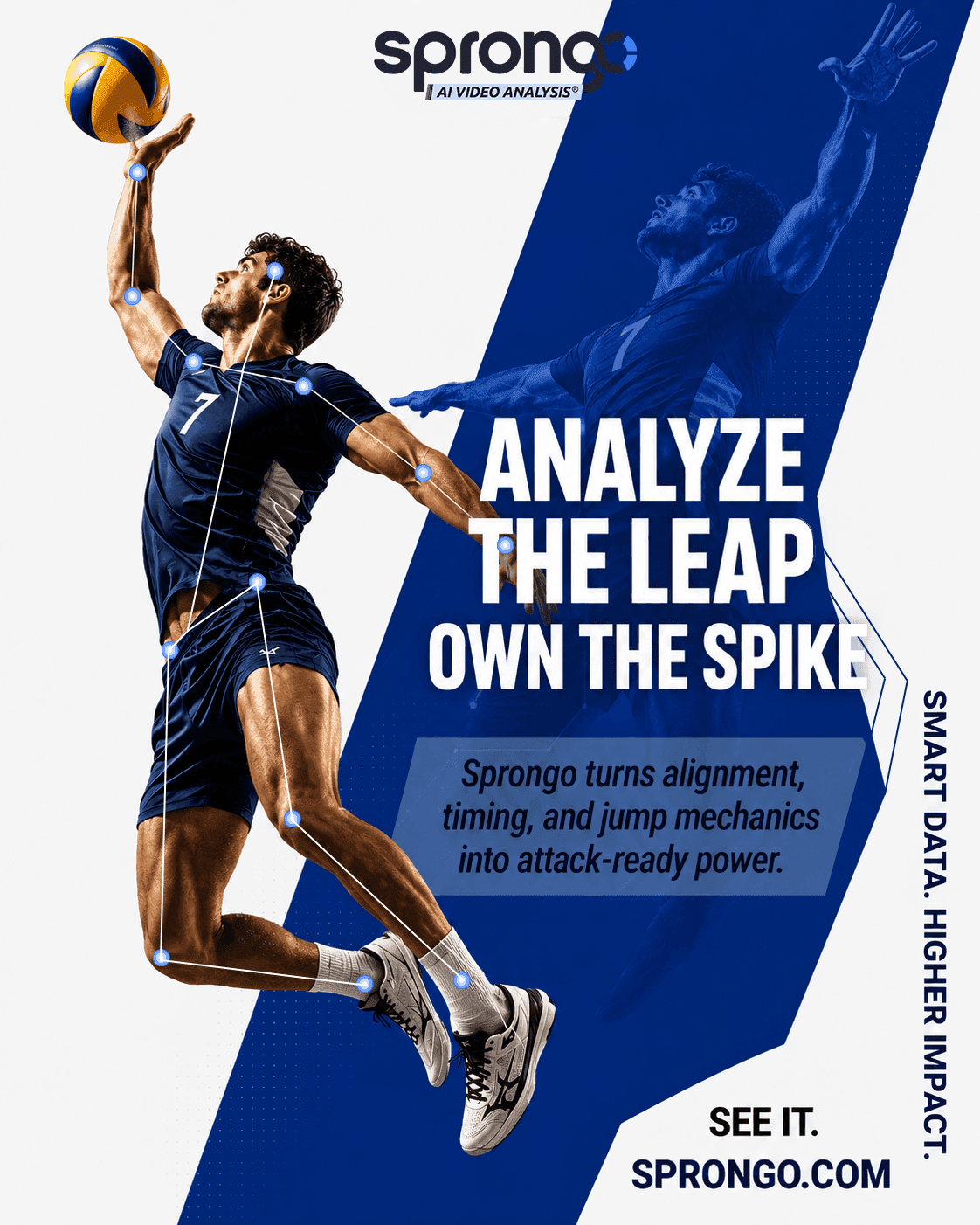
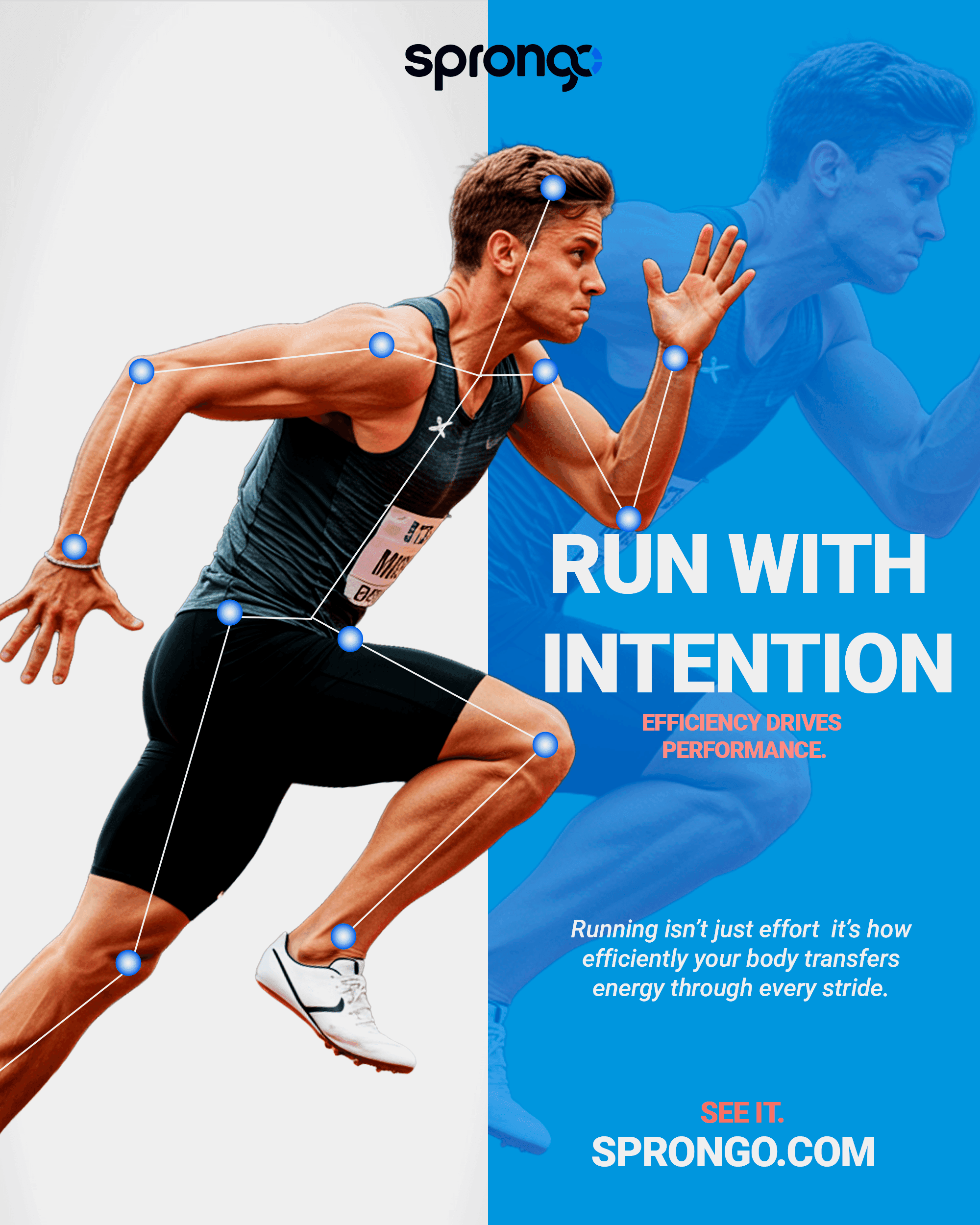
Platforms like Sprongo can support figure skating development by helping coaches and athletes review movement with greater clarity. Slow-motion playback, frame-by-frame analysis, and visual feedback tools make it easier to evaluate balance, posture, edge control, and movement timing. This allows coaches to preserve the artistic side of the sport while still analyzing the technical details that shape performance.
Figure skating is not only about perfection. It is about staying controlled when the movement is difficult, fast, and unstable. The best skaters make pressure look effortless because their balance, alignment, and timing are working together. Video analysis helps make those details visible, giving athletes and coaches a clearer way to refine performance and build more consistent control on the ice.