When one-to-one check-ins are not the whole job
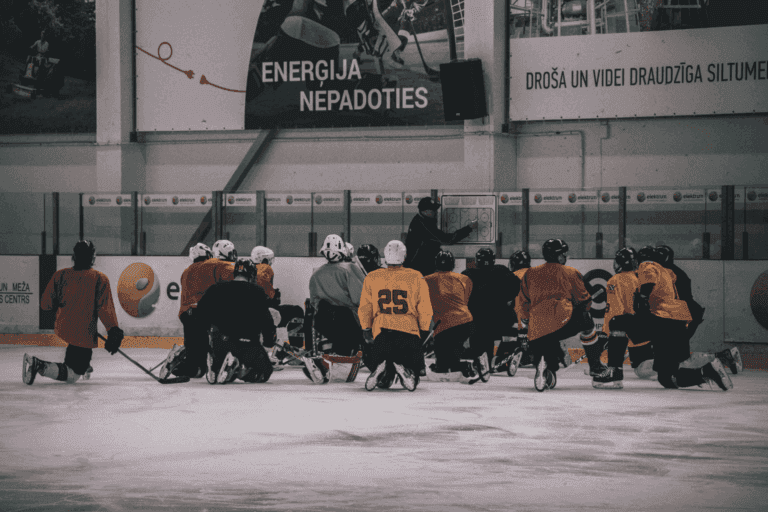
A lot of coaching no longer happens as a single client and a single trainer in a quiet gym. You might be running a morning class of fifteen, coaching an online program for people in different cities, or doing both in the same week. The work is the same in principle — people need clear feedback on how they move — but the workflow is not.
If you try to treat every class member like a weekly one-to-one check-in, you will drown in clips. If you film nothing, the only people who get eyes on their form are the ones standing nearest to you. A better approach is a simple, repeatable video workflow that fits the format you actually coach.
This is not a replacement for our personal trainer check-in guide, which is built around a weekly one-to-one routine. It is the version of that idea that works for group classes, hybrid gyms and online programs.
Start with a rule for consent and privacy
Film only people who have agreed to be filmed, and be clear about where the video will go. In a class, that can be as simple as a written note at sign-up and a verbal reminder when a camera is out. For minors, you need a parent or guardian's agreement, and you should be more conservative about what is stored and who can see it.
A few practical habits help:
- Tell the room when you are filming and why: "I'm filming the hinge from the side so I can review later," not a camera in the corner with no explanation.
- Do not post class footage to a public page without a separate, explicit agreement.
- If someone opts out, keep them out of the frame or turn the camera off for that part of the class.
- Store clips in a library you control, not in a personal camera roll that is also backed up to a shared family album.
Online, the same idea applies. Clients should know who will watch their clips, how long you will keep them, and that a form video is not a public testimonial unless they say so.
A workflow for group classes
You cannot film every person on every movement, and you should not try. Pick a focus for the week.
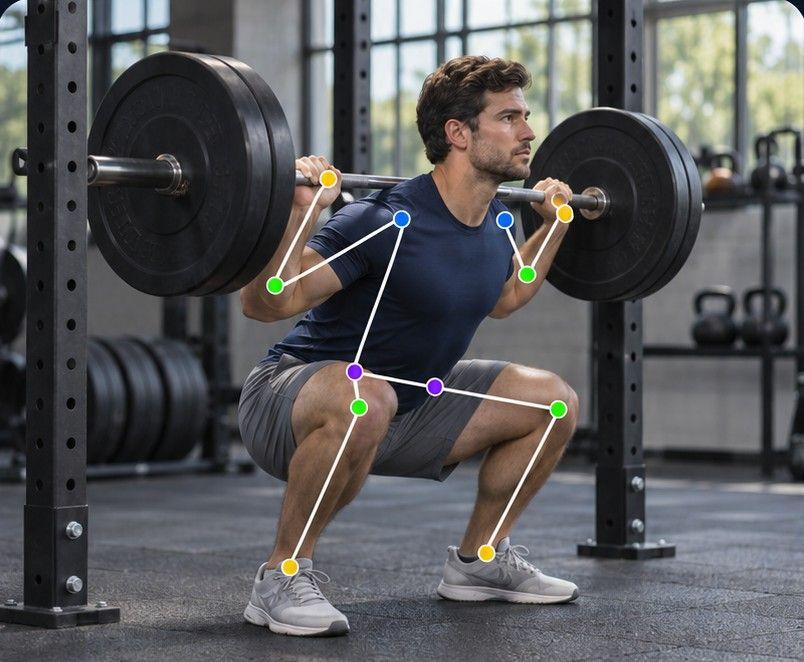
Before class. Choose one movement that matters in this block: a squat, a hinge, a press, a landing, a row. Decide the camera angle (usually side-on, hip height, whole body in frame) and where the phone will stand. If the class uses stations, film at one station rather than chasing the room.
During class. Get the class started, then film short clips of a few people on that one movement, or film a single well-framed view of the station and review who you can actually see later. A 20-second clip of three clean reps is more useful than a five-minute wander around the room. If you coach with an assistant, one person can run the class while the other films.
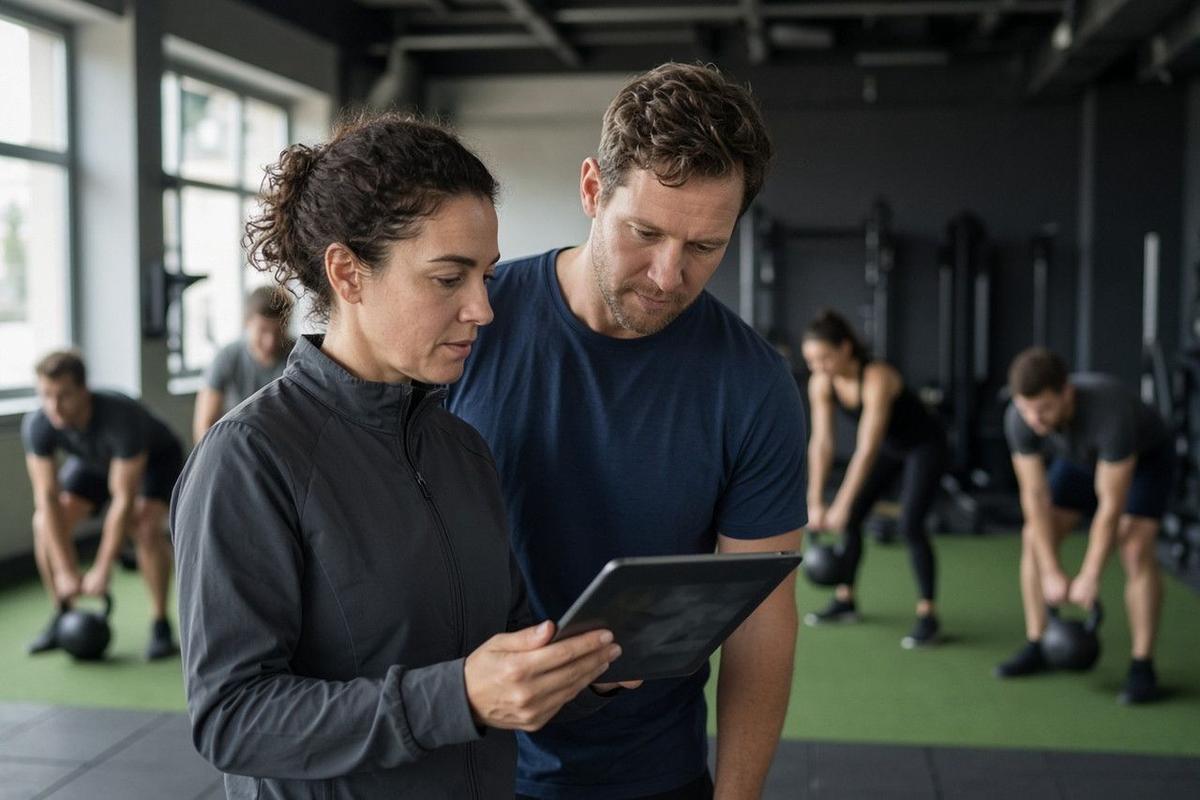
After class. Review the same day if you can, while you still remember who was having trouble. Pick one cue per person, not a full essay. In Sprongo you can draw on the frame, leave a short voice note and share the exact moment with that member. If you do not have a way to share privately, use the footage for your own coaching notes and give the cue in person at the next class.
Once every few weeks. Re-film the same movement from the same spot for the people you are tracking. Side-by-side comparison is how a class member sees that their hinge actually changed, which is hard to feel in a busy room.
A team or club library helps here. In Sprongo, you can keep a playlist per class or per member, tag the movement, and review on a phone, tablet or the web. Say the person's name at the start of the clip; a name spoken in the first 5 seconds is tagged automatically.
A workflow for online coaching
Online coaching usually lives or dies on the quality of the clips you receive and the speed of the feedback you send. The video is the session.
Give clients a short filming brief once, and reuse it:
- Side-on for squats, hinges and most pattern work; a slight 45-degree front view when you need to see the knees.
- Phone still, about hip height, whole body and the whole implement in frame.
- Working sets, including the last reps, not only a warm-up.
- The same spot each week.
- Name, exercise, load and set spoken at the start of the clip.
Set a submission rhythm that you can actually keep. For most programs, one or two working-set clips of each main lift, once or twice a week, is enough. If you ask for every accessory, you will review late, and late feedback is how online clients drift.
Review on a schedule, not when you happen to open the app. A simple standard is: clips that arrive by a stated time get feedback the same day or the next morning. Use a focused comment: what you saw, what to change, and what to keep the same on the next set. In Sprongo, Compare is useful when a client sends this week's set and you still have last month's reference clip. Path Track can show a bar or hip path, and SIVA can answer a focused question about a joint or a moment in the clip. SIVA reads 2D video, so a cropped or shaky submission will limit what it can see, and it supports your coaching rather than replacing it.
If you run a group online program, not only one-to-one, you can still give private feedback on individual clips and use one or two anonymized or agreed examples to teach a point to the group. Do not drop a client's form video into a group chat unless they have clearly agreed to that.
Hybrid coaching: class plus online
Many trainers now see people in a class and also collect videos between sessions. Keep those two streams in the same place or you will lose track of who you have already corrected.
A workable pattern is:
- In class, film the weekly focus movement for a few people.
- Between classes, those same people can send one working-set clip of that movement, or of a lift you do not have time to watch in the room.
- Your review, whether it happens after class or at a desk, goes back as a comment on the clip, and the next in-person cue matches what you already said on the video.
The client should not get one cue on the gym floor and a different cue in a message two days later. The clip is the shared reference.
What not to film
- A whole class from a high corner, if faces and feet are too small to review.
- Fast transitions between stations, where nobody is in a set position.
- Exercises where a camera on the floor would get in the way, or where a falling implement could hit it.
- People who have opted out, even if they happen to be in a good light.
- Anything you would not be willing to explain if a client asked, "Who else will see this?"
And do not let video replace spotting or your attention in a live class. If a loaded barbell is moving, your first job is the room, not the phone.
Common mistakes
- Trying to film everyone, every movement, every class.
- Collecting dozens of online clips and reviewing them a week later.
- Giving five corrections on a group-class clip. One cue is enough.
- Accepting online videos filmed from the floor, from behind, or with the bar cut off.
- Keeping class footage, online submissions and your notes in three different apps.
- Using a client's form clip as marketing without a clear agreement.
Frequently asked questions
Can I run this with only one phone? Yes. One still phone on a planned movement is enough for a class focus, and the same phone is enough for reviewing online clips later.
How do I handle a packed class where I cannot film individuals? Film the station, not the whole room, and review only the people who are clearly in frame. Then rotate who you feature over the block so the same two people are not the only ones getting eyes on their form.
What should I do if an online client keeps sending unusable clips? Send the filming brief again, with an example of a usable clip, and wait for a resubmit before you coach the set. Reviewing a bad angle teaches the wrong lesson.
Does this work for yoga, Pilates or mobility classes as well as lifting? Yes, as long as the camera sees the whole body and you review a planned position or transition, not a whole hour of footage. The workflow is the same; the movement language changes.
How many clients can I review well in a week? It depends on how short your comments are and how tight your submission rules are. A focused voice note on a single moment is much faster than a written paragraph on a full session. Build the habit with a smaller group before you promise it to every member.
Put the workflow in place this week
Pick one class or one online group. Choose one movement, write a three-line filming brief, and review a handful of clips on the same day you collect them. Once that loop is easy, you can widen it. Until then, one movement done consistently will teach more than a library you never open.
Get Sprongo · App Store · Google Play
Coaching a larger group? See team plans.