Short track never settles into rhythm. And that’s the point.
From the moment skaters launch off the line, the race becomes unstable. Lines tighten, space disappears, and every lap rewrites what seemed certain just seconds before. Unlike long-track skating, where control is protected, short track thrives on disruption.
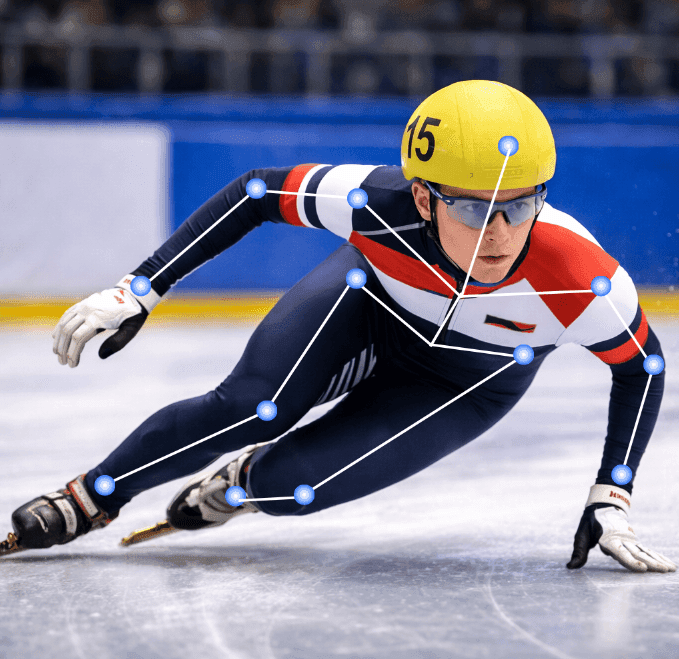
The ice is crowded. Skaters lean deeper than comfort allows, cutting corners with blades that operate millimeters from disaster. There’s no ideal line — only the line that exists in that exact moment. Positions change mid-corner. A race can be won or lost before the final lap even begins.
Short track rewards anticipation more than speed. Raw power helps, but awareness decides outcomes. Athletes read shoulders, hips, and shifts in balance, knowing when to attack and when to wait. One wrong move doesn’t just cost time — it can erase an entire race.
Contact is inevitable. Not because skaters are careless, but because space collapses at racing speed. This makes discipline as important as aggression. The best short track skaters know how to apply pressure without crossing the line, forcing errors without committing them.
What makes short track especially unforgiving is how quickly momentum flips. A skater leading comfortably can be eliminated by a split-second misjudgment. A racer boxed in early can suddenly emerge if chaos opens a lane. The sport doesn’t reward consistency — it rewards survival.
This is why short track remains one of the most intense spectacles on ice. It doesn’t ask for perfection. It demands adaptability.
The Skaters Who Thrive in Chaos
As the Winter Games approach this February, the spotlight turns to athletes who have built careers inside this uncertainty.
From South Korea, Hwang Dae-heon continues a legacy of tactical intelligence, controlling races through timing rather than brute force. Canada’s Steven Dubois has become known for reading chaos better than most, often striking when others hesitate.
On the women’s side, Suzanne Schulting blends power with discipline, maintaining control even when races fragment. Skaters like Choi Min-jeong thrive under pressure, turning unpredictable situations into advantages.
These athletes don’t dominate by controlling the race. They dominate by surviving it better than anyone else.
When the ice fills this February, short track won’t crown the fastest skater. It will crown the one who makes the fewest irreversible decisions.