Hip rotation is one of the most important movement patterns in athletic performance, but it is often overlooked until something breaks down. Many powerful sports movements depend on the ability to rotate efficiently through the hips while maintaining balance, posture, and control through the rest of the body. Whether an athlete is swinging a bat, striking a ball, sprinting, throwing, serving, or changing direction, the hips play a major role in how force is created and transferred.
The hips act as a connection point between the lower body and upper body. Power often begins from the ground, moves through the legs, passes through the hips and core, and then transfers into the shoulders, arms, hands, or equipment. When hip rotation is well-timed, the athlete can move with more efficiency and generate force without relying only on the upper body. When the timing is poor, movement often becomes disconnected, less powerful, and harder to repeat.
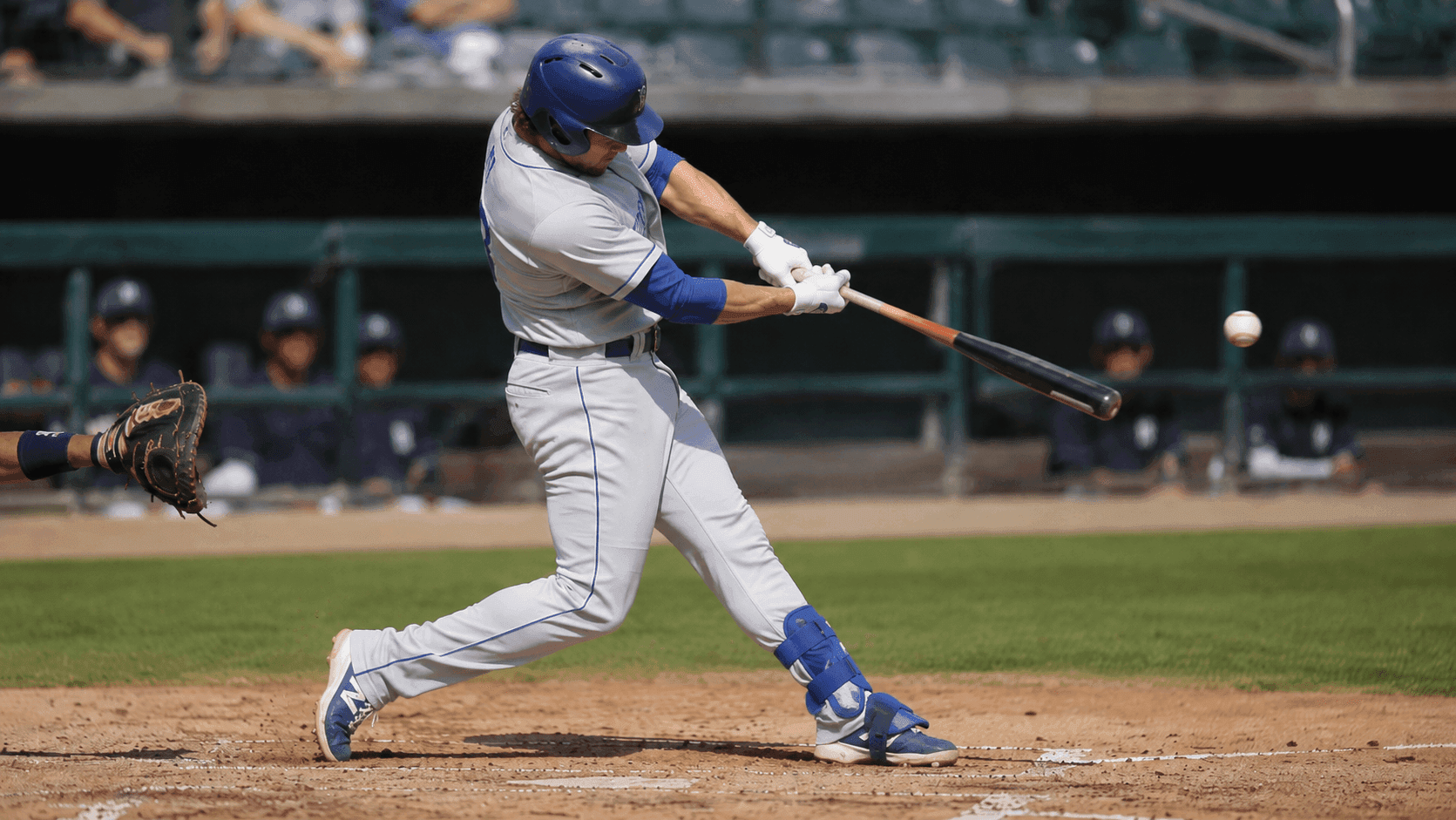
Rotational sports show this clearly. In baseball, a hitter needs the lower body and hips to initiate rotation before the upper body follows through the swing. If the hips rotate too early, too late, or without control, the athlete may lose power, timing, and bat path consistency. In tennis, hip rotation helps support groundstrokes and serves by allowing energy to transfer from the legs through the torso into the racket. In golf, efficient hip rotation helps create sequencing, stability, and club speed.
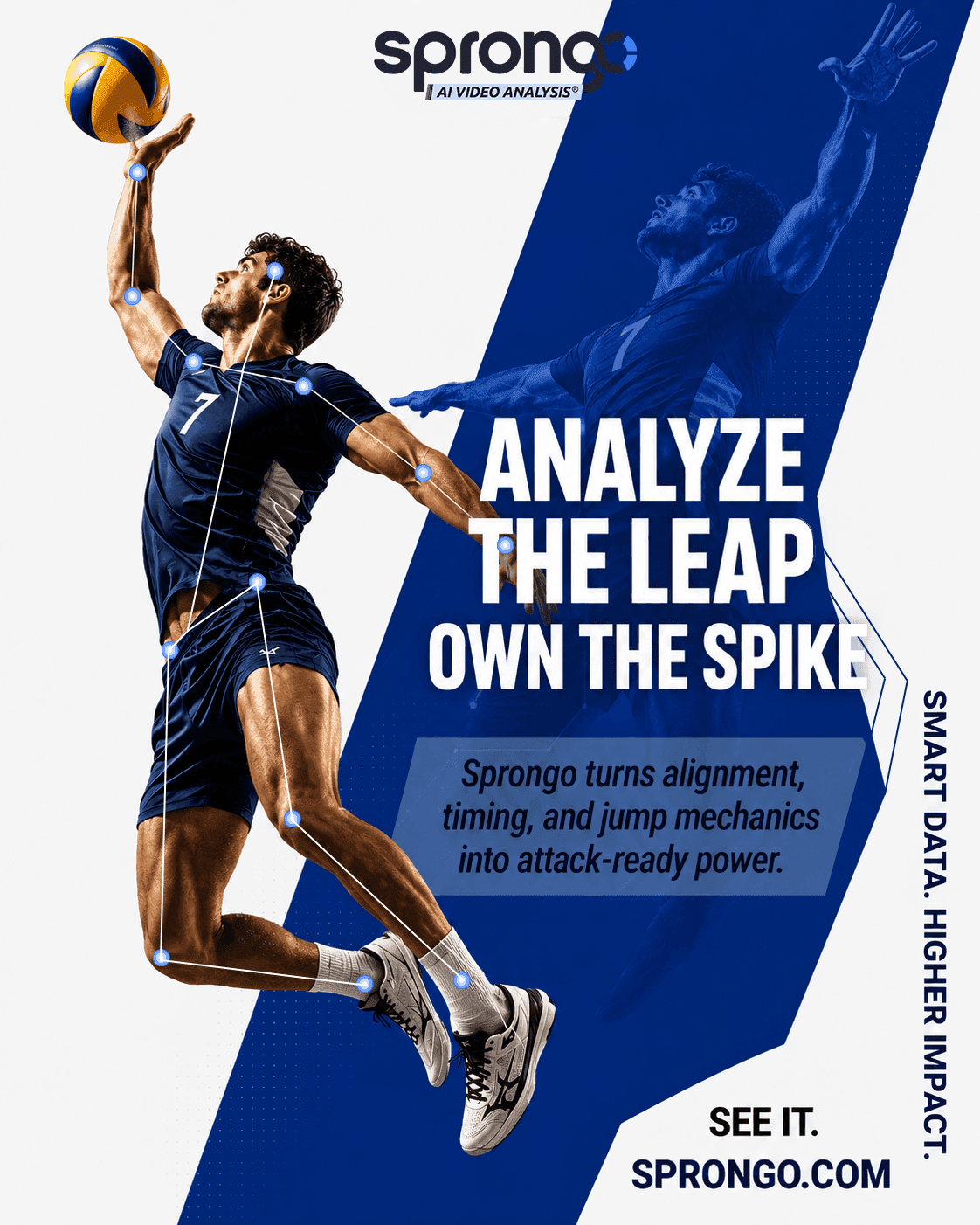
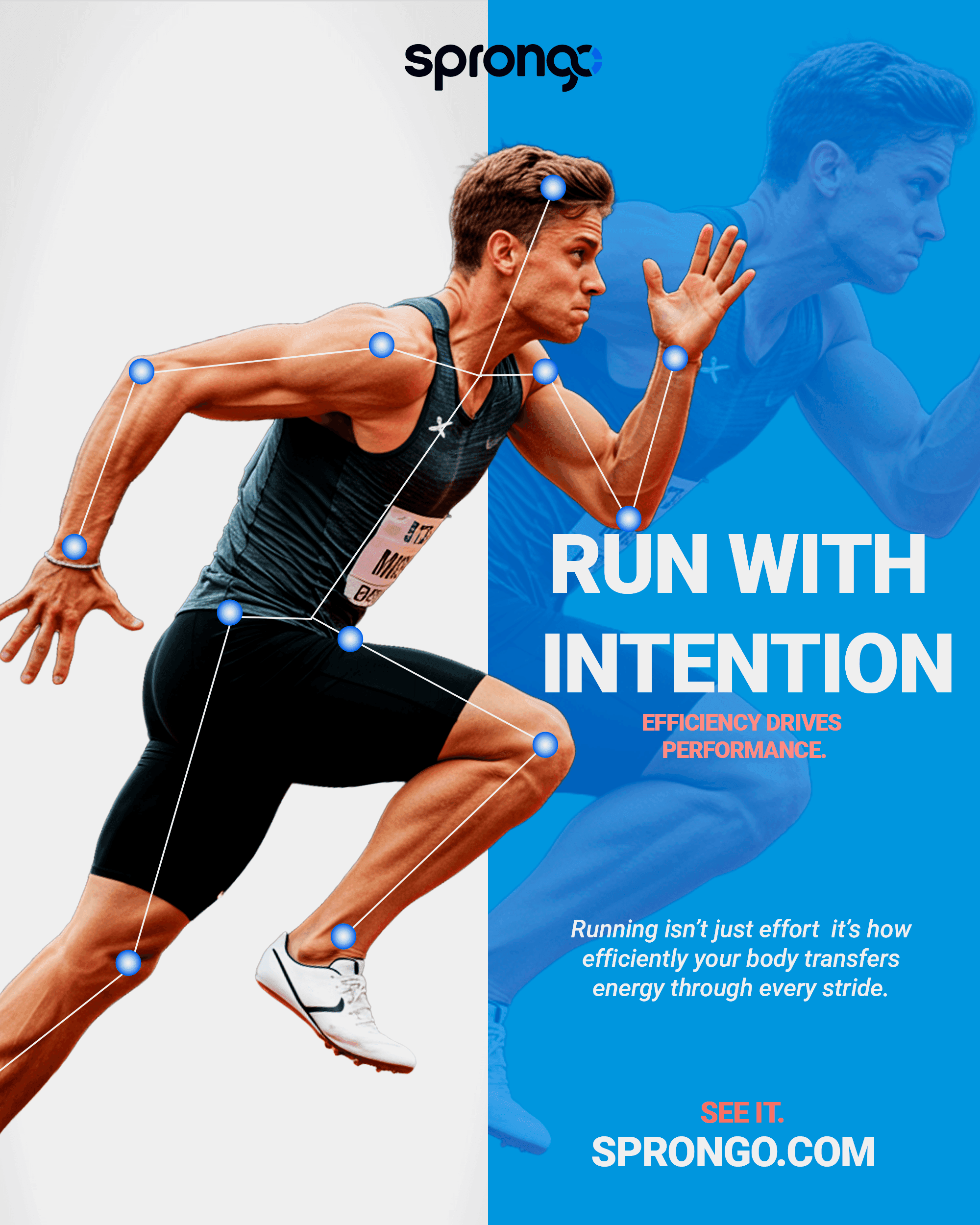
Hip rotation also matters in sports that are not always described as rotational. Sprinters need strong pelvic control to maintain stride efficiency and posture. Soccer players use hip rotation during shooting, passing, cutting, and acceleration. Volleyball players rely on hip and trunk rotation during attacks and serves. Even in swimming, controlled rotation through the hips supports body alignment and stroke rhythm.
One of the main challenges with hip rotation is that athletes do not always feel it accurately. An athlete may think they are rotating fully, but video may show limited range, poor sequencing, or compensation through the lower back and shoulders. Another athlete may rotate aggressively but lose control, causing balance issues or inefficient movement patterns. This is why visual feedback is so valuable when working on rotational mechanics.
Poor hip rotation can affect both performance and physical stress. If the hips are not contributing effectively, other areas often compensate. A baseball player may place more stress on the shoulder. A golfer may overuse the lower back. A tennis player may lose balance during the serve or forehand. These compensations may not cause immediate problems, but over time they can limit consistency and create unnecessary strain.
Coaches can use video analysis to evaluate the timing, range, and quality of hip rotation more clearly. Slow-motion review makes it easier to see whether the hips are initiating movement, whether the torso is following efficiently, and whether the athlete maintains balance through the full motion. Side-by-side comparison can also show differences between stronger and weaker repetitions, helping athletes understand what efficient rotation actually looks like.
This is especially useful because hip rotation is not only about moving more. More rotation is not always better. The goal is controlled, well-timed rotation that supports the specific movement. In some sports, excessive rotation can create instability or timing problems. In others, limited rotation can reduce power and force athletes to compensate elsewhere. The right adjustment depends on the sport, the athlete, and the movement being trained.
Platforms like Sprongo can help coaches and athletes review rotational mechanics with more clarity. By using slow-motion playback, visual feedback, and comparison tools, coaches can break down hip rotation in a way athletes can actually see. This makes it easier to connect technical instruction with real movement and track whether changes are improving over time.
Hip rotation is a key part of athletic movement because it influences power, timing, balance, and efficiency. When athletes learn how to rotate with control, they can move more effectively and build more repeatable technique. With video analysis, coaches can make this complex movement easier to understand, helping athletes turn rotational mechanics into a stronger part of their performance.