Using Video Analysis to Enhance Track & Field Training
In the competitive world of track and field, marginal gains can make a big difference. For athletes and coaches aiming to perfect form and optimize performance, video analysis has emerged as a game-changing tool. Whether you’re a sprinter, hurdler, or jumper, video analysis helps identify and correct technique issues, analyze body mechanics, and improve overall athletic development. This guide explores how track and field athletes can use video analysis effectively, along with tips on making the most of this technology.
Why Use Video Analysis in Track & Field?
Video analysis provides a visual breakdown of each movement, allowing athletes and coaches to review technique in slow motion, spot inefficiencies, and make precise adjustments. By using video analysis tools, athletes can:
- Refine Technique: View movements frame-by-frame to identify areas needing adjustment.
- Increase Efficiency: Spot any wasted energy or unnecessary movement.
- Reduce Injury Risk: Recognize and correct risky movement patterns.
- Track Progress: Document improvements over time and make data-backed decisions.
Key Video Analysis Techniques for Track & Field
1. Sprint Analysis
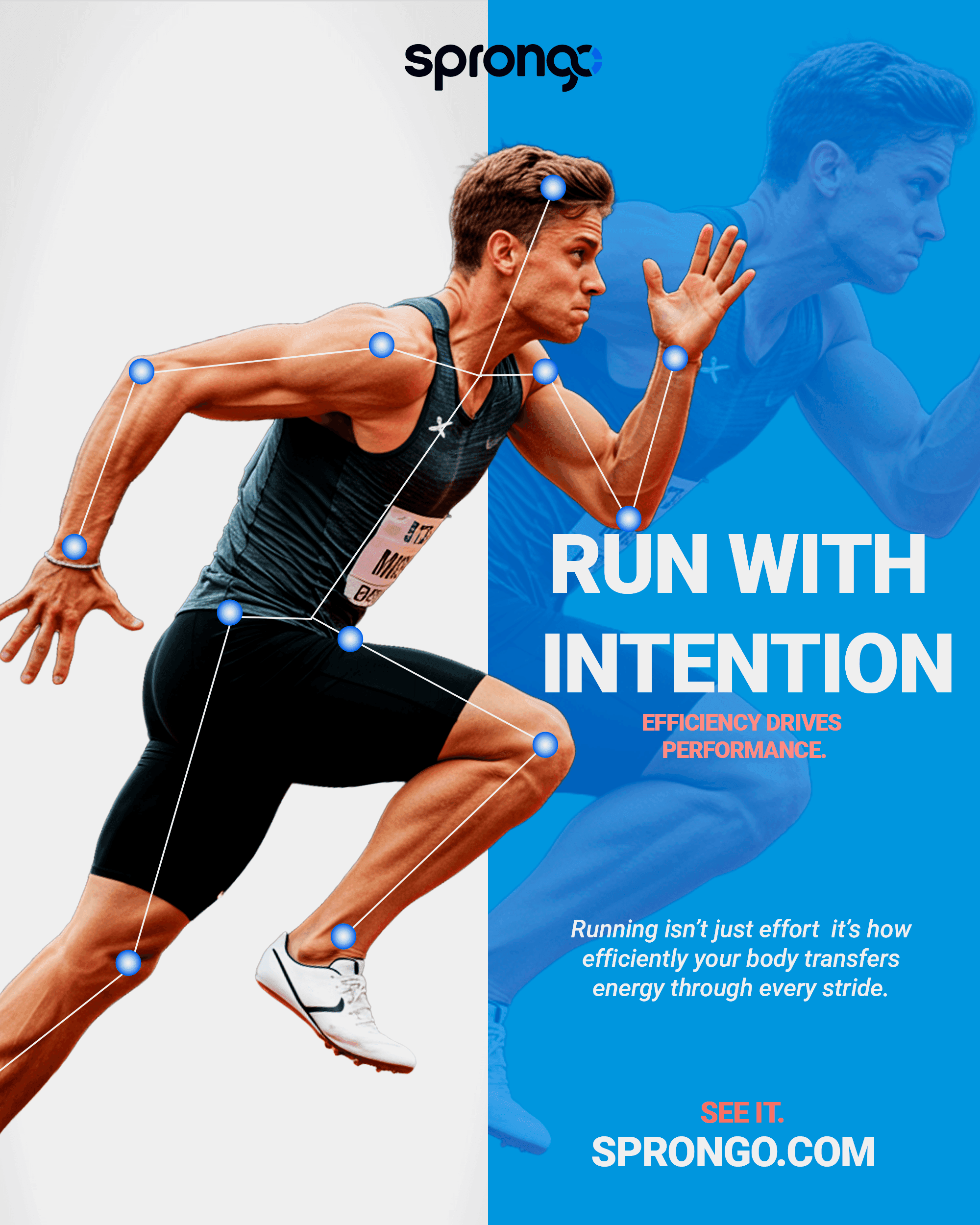
Sprint performance depends heavily on precise biomechanics, optimal stride length, and explosive power. Here’s how video analysis can elevate sprint training:
- Focus on the Drive Phase: The initial drive phase is critical to acceleration. Analyzing the knee angle, body lean, and push-off power helps maximize explosiveness.
- Refine Stride Length and Frequency: Slow-motion playback highlights inconsistencies in stride. Track adjustments to ensure an efficient stride pattern without over-striding, which can slow performance.
- Upper Body Posture: Use side-by-side comparison tools to observe any tilting, swaying, or unnecessary upper body movements that could impact momentum.
- Optimize Foot Strike: Reviewing each sprint phase can reveal the point of foot strike in relation to body position, helping prevent inefficiencies and improve speed.
2. Hurdle Analysis
For hurdlers, timing, body position, and clearance are key. Video analysis can pinpoint areas for improvement, ensuring fluid movement over each hurdle.
- Analyze Takeoff and Clearance: Ensure athletes are leaning forward and have a smooth takeoff to clear each hurdle with minimal height, reducing wasted time.
- Landing Technique: Review landing positions to check if athletes are maintaining forward momentum and preparing for the next hurdle. Proper foot positioning is essential for quick transitions.
- Arm Position and Rhythm: Hurdling requires a well-timed arm swing for balance and rhythm. Analyzing each hurdle approach and arm position helps refine rhythm and control.
- Side View Comparison: Use split-screen tools to compare angles over each hurdle and adjust technique for consistency and flow.
3. Jump Technique
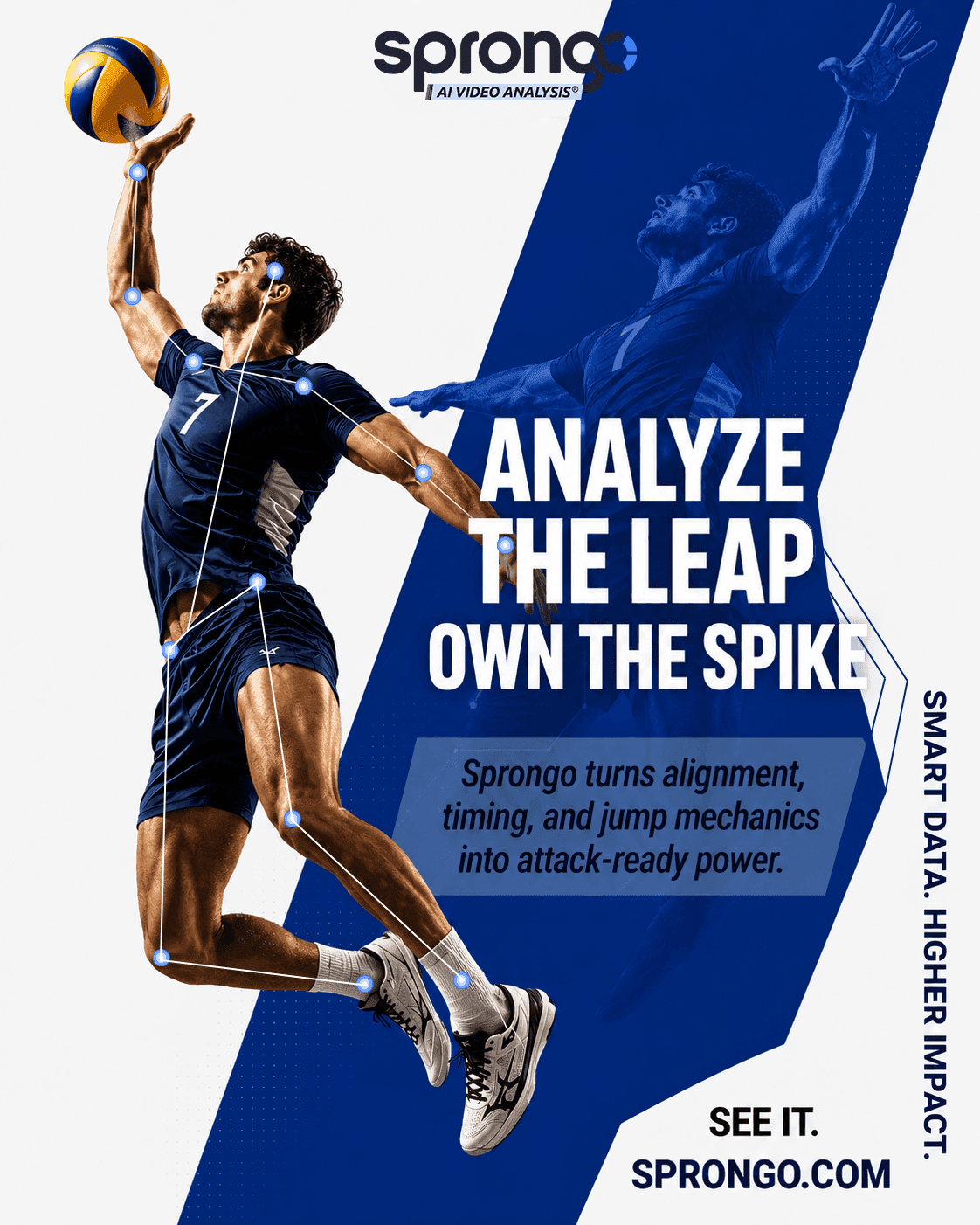
Long jumpers, triple jumpers, and high jumpers can use video analysis to break down each phase of their jump, from approach to landing.
- Approach and Acceleration: A consistent approach speed is crucial. Video analysis helps in adjusting stride length and acceleration for a perfect jump launch.
- Takeoff Angle: Achieving the ideal takeoff angle maximizes jump distance. Review knee, hip, and ankle angles to ensure the best possible push-off position.
- Flight Form: During the airborne phase, check body posture, leg positioning, and arm balance. Use frame-by-frame analysis to monitor in-air technique.
- Landing Mechanics: Review foot placement, forward lean, and landing cushion. Ensuring proper landing mechanics helps minimize impact and prevent injury.
Best Practices for Video Analysis in Track & Field
- Set Clear Goals: Define the specific technique elements you want to improve in each session.
- Capture High-Quality Footage: Position the camera at angles that best show body alignment and movement patterns, ensuring that each critical phase is visible.
- Use Comparative Analysis: Compare past and present footage to track progress over time, which reinforces motivation and highlights improvement areas.
- Incorporate Feedback Loops: Share video analysis feedback with athletes right after a training session, so they can implement improvements immediately.
- Leverage Real-Time Analysis: When possible, use tools that allow for live feedback, so coaches can provide tips mid-session, maximizing real-time improvement.
How Sprongo Enhances Video Analysis for Track & Field
Sprongo offers several video analysis features specifically designed for athletes and coaches in track and field:
- Slow Motion & Frame-by-Frame Playback: Essential for analyzing each phase of sprints, hurdles, and jumps in great detail.
- Overlay & Side-by-Side Comparison: Compare an athlete’s past runs or jumps against current performances or professional benchmarks.
- Annotation Tools: Draw angles and lines to show ideal body positioning, stride length, and hurdle clearance points.
- Goal Tracking: Set performance goals, such as stride length improvement or time reduction, and monitor progression over time.
Sprongo’s platform enables track and field athletes to view performance through an objective lens, bringing structure and clarity to technique improvement. The user-friendly interface is accessible on mobile devices, allowing athletes to access feedback anytime, anywhere.
Conclusion
Video analysis is a powerful resource for track and field athletes, providing an in-depth look at the technical aspects of performance that can make all the difference. By reviewing sprints, hurdles, and jumps in fine detail, athletes can refine their movements, increase efficiency, and improve overall performance.
With tools like Sprongo, athletes at any level can gain the insights needed to fine-tune technique and reach new heights in their athletic journey. Whether you’re a coach or an athlete, using video analysis for track and field training can transform how you train and maximize your potential on the field.