Athletic development has always depended on feedback. Coaches explain movement patterns, athletes repeat drills, and adjustments are made over time through repetition and experience. While verbal instruction still plays an important role in sports performance, many athletes struggle to fully understand what their body is actually doing during movement. This is where visual feedback changes the learning process.
Seeing movement in real time or through video analysis allows athletes to connect instruction with actual performance. Instead of relying only on feel or verbal correction, athletes can visually identify inefficiencies, timing issues, posture problems, or technical mistakes that are often difficult to recognize during live training. In many sports, this accelerates the learning process significantly.
Visual learning has become increasingly important in modern coaching because movement happens quickly. Whether it is a sprint start, a golf swing, a swim stroke, or a tennis serve, athletes are performing complex movement patterns in fractions of a second. Even highly skilled athletes may not fully recognize what is happening during execution. Video feedback slows the process down and creates clarity.
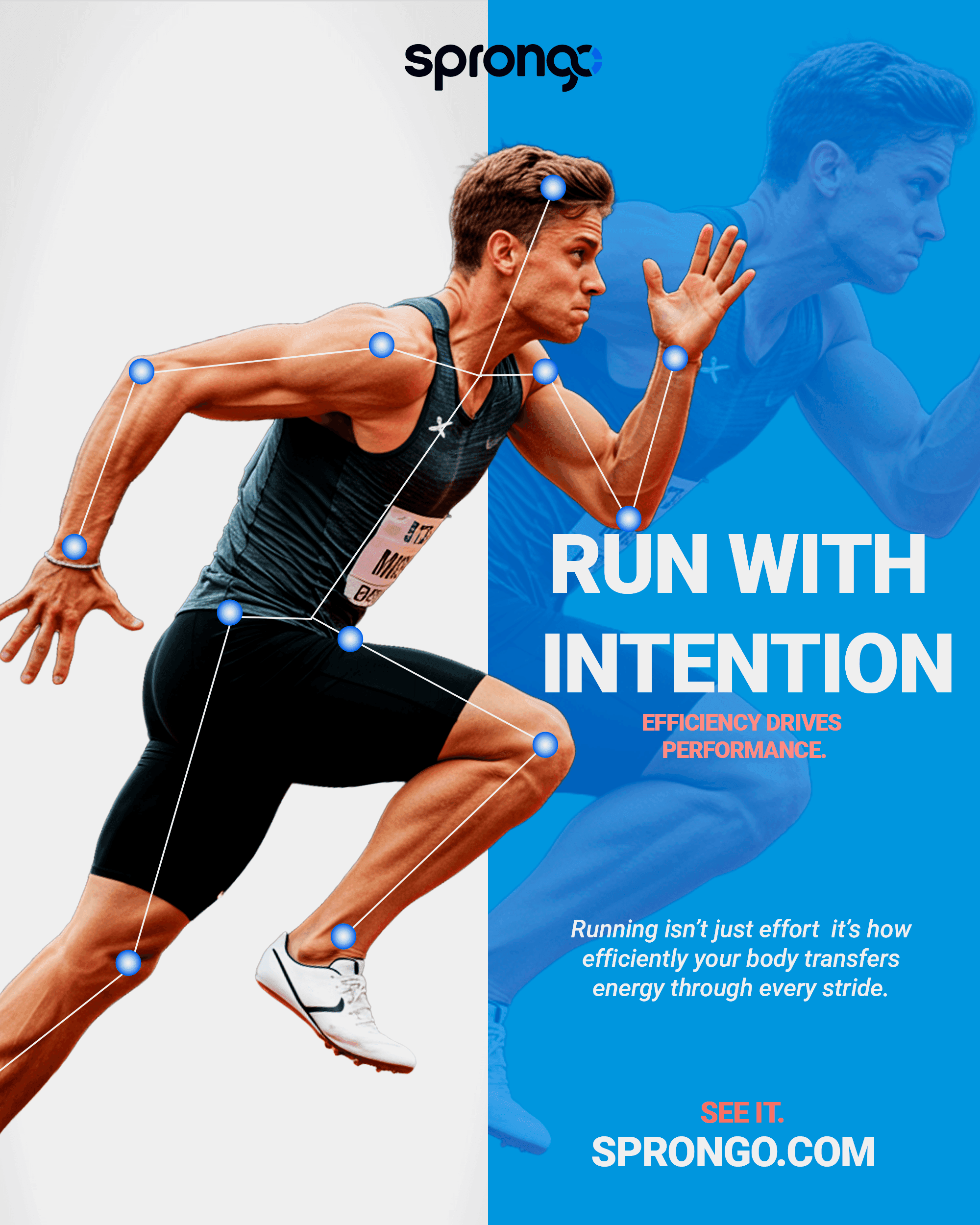
One of the biggest advantages of visual feedback is improved self-awareness. Athletes often believe they are performing a movement correctly until they actually see it. A sprinter may think their posture remains stable during acceleration, while video review reveals excessive forward collapse. A swimmer may feel balanced in the water, yet underwater footage may show inefficient body positioning or timing inconsistencies. Visual feedback helps bridge the gap between perception and reality.
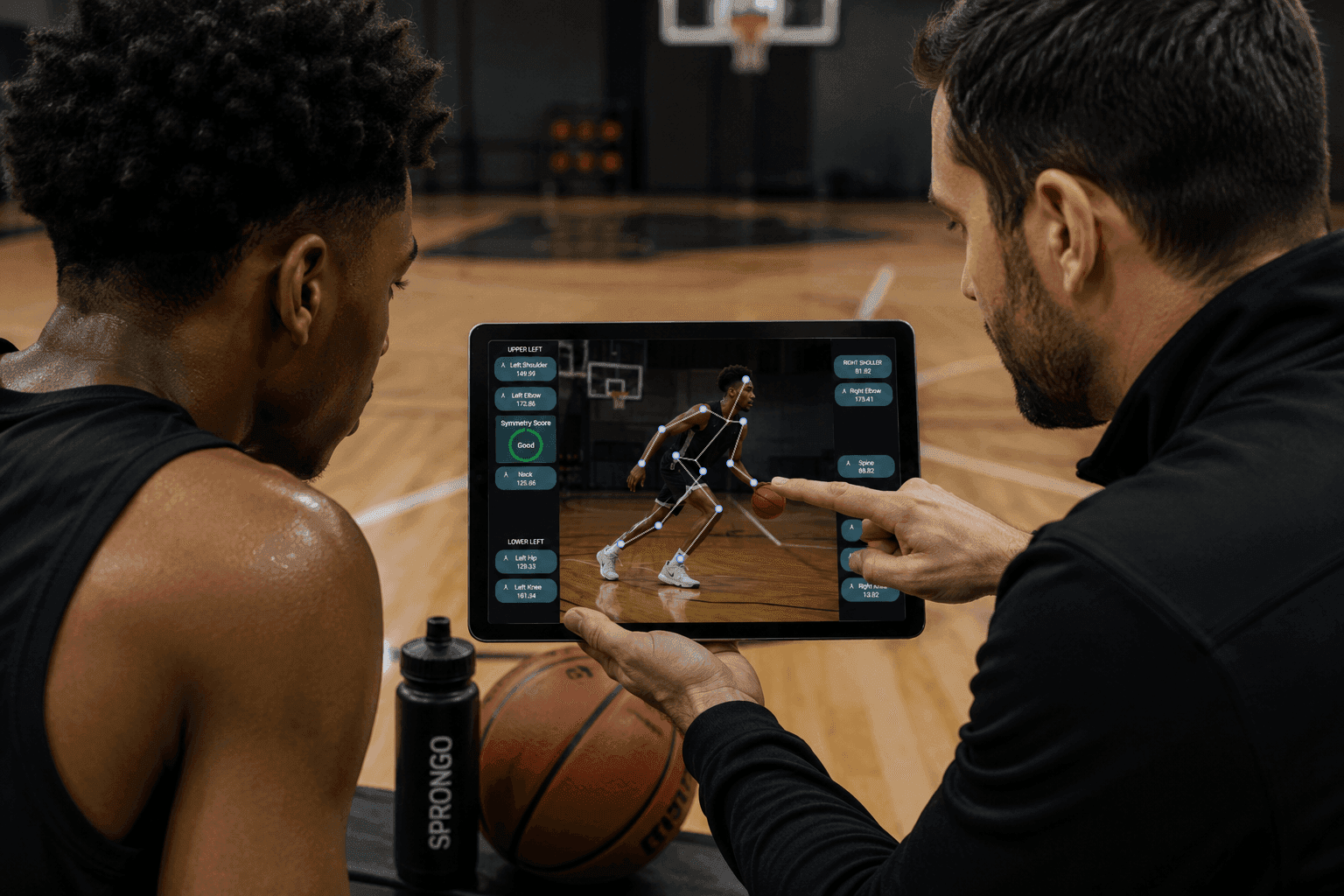
This process also improves communication between coaches and athletes. Traditional coaching relies heavily on verbal explanation, but not every athlete processes information the same way. Some athletes respond better to visual instruction because they can immediately connect feedback with movement. Instead of repeatedly describing technical corrections, coaches can show specific moments frame by frame and create a much clearer learning experience.
Video analysis is especially valuable in sports that depend on technical precision. Small adjustments in body position, timing, balance, or movement sequencing can dramatically impact performance. Reviewing movement visually allows athletes to make more accurate corrections and understand how technique changes affect efficiency, power, and consistency.
Another reason athletes learn faster with visual feedback is that it creates measurable progress. Improvement becomes easier to track over time when athletes can compare previous movement patterns with current performance. This not only supports technical development but also increases motivation because athletes can physically see their progress instead of relying only on subjective feeling.
In recent years, video analysis has evolved beyond simple replay tools. Coaches and athletes now use slow motion review, side-by-side comparisons, movement annotations, and frame-by-frame analysis to gain deeper insight into performance. These tools help simplify complex movement patterns and make technical feedback easier to understand.
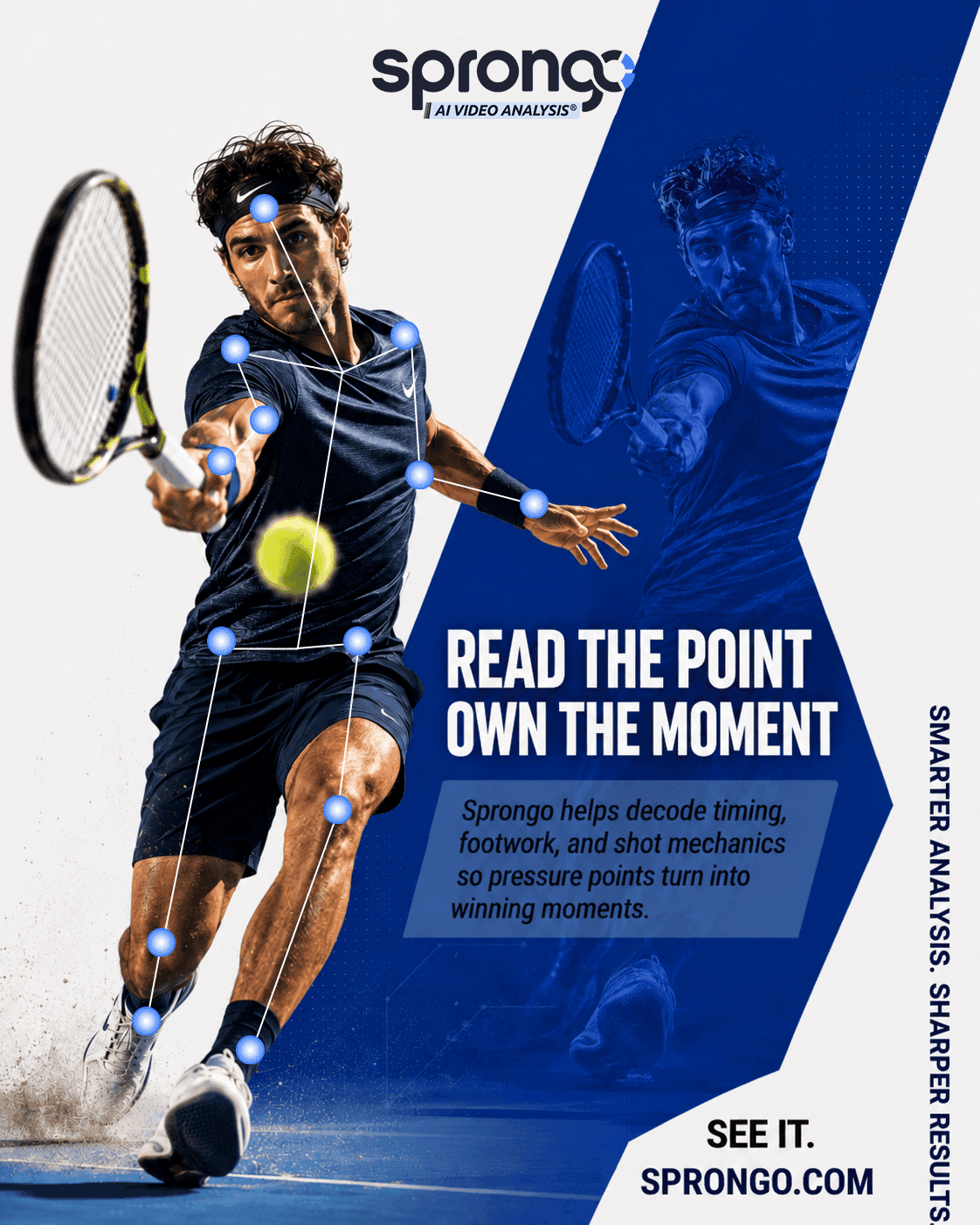
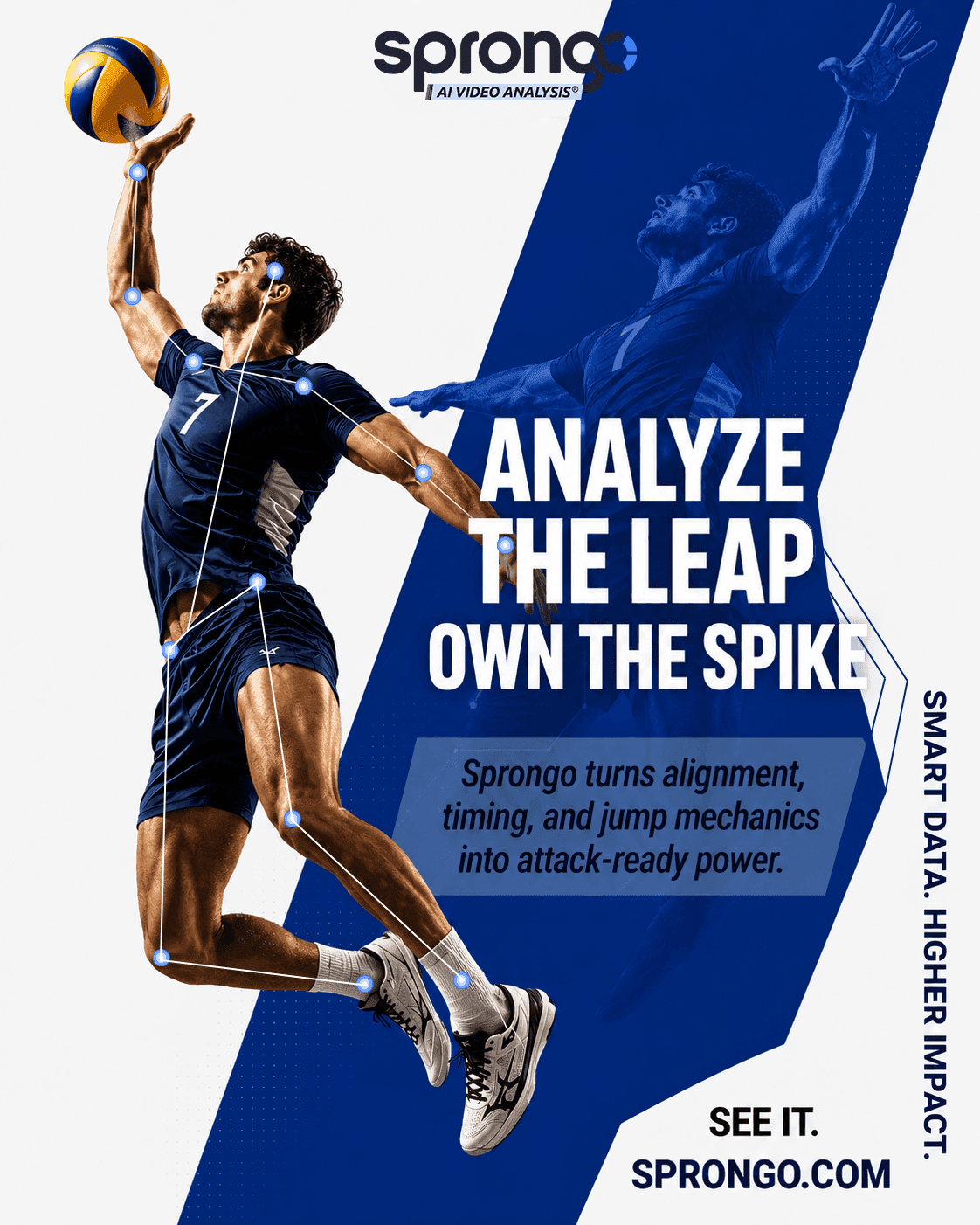
Platforms like Sprongo support this process by allowing coaches and athletes to analyze movement with greater clarity. Features such as slow-motion playback, visual annotations, and collaborative feedback make it easier to break down technique and improve communication during training. Instead of relying only on observation in the moment, coaches can create a more detailed and measurable development process for athletes.
As sports performance continues to evolve, visual feedback is becoming less of a luxury and more of a standard part of modern coaching. Athletes learn faster when they can clearly see their movement, understand corrections, and apply feedback with confidence. In high-performance environments where small details matter, visual analysis helps turn instruction into actionable improvement.