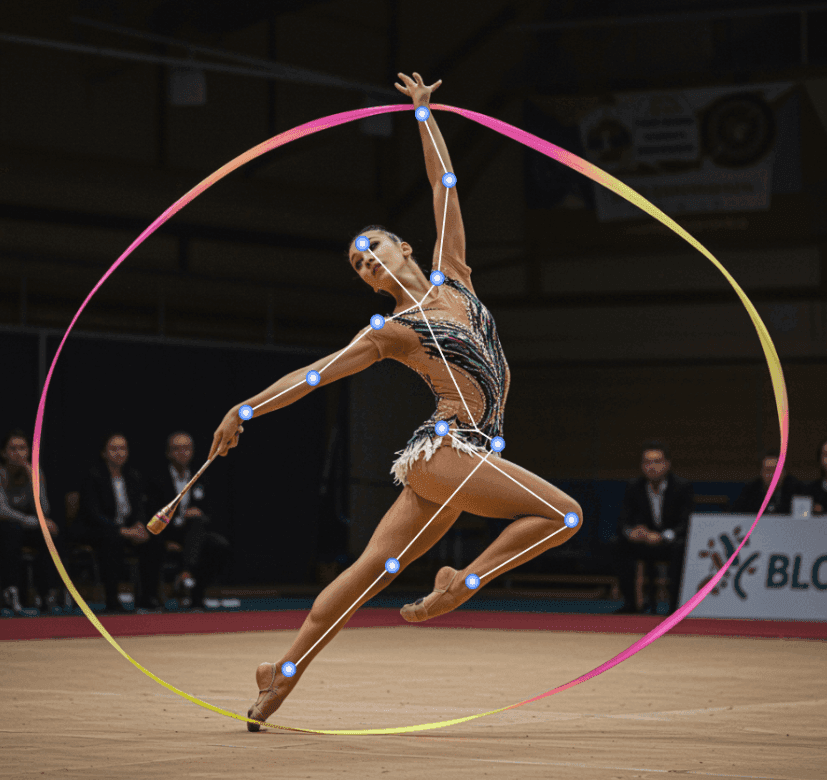
In rhythmic gymnastics, dance steps aren’t just “fillers” between big tricks—they are essential to a gymnast’s Artistic score (A score). Dance step combinations connect difficulty, artistry, and music, turning a routine into a true performance. Without them, even the most technically advanced routine feels incomplete.
🕺 What Is a Dance Steps Combination?
A dance steps combination is a choreographed sequence of body and apparatus movements performed in harmony with music. To be valid, it must:
Last at least 8 seconds
Include apparatus in motion (not static)
Reflect a defined character or style (e.g., classical, folk, modern)
Show variety in travel across the floor
Use at least two different types of steps
🎵 Connection to Music
The heart of dance steps is musical interpretation. Gymnasts must:
Follow the rhythm and accents of the music
Express emotion and storytelling through body language
Transition seamlessly between sections of the routine
Generic movements like walking or skipping are not valid—steps must carry artistic meaning.
❌ What Invalidates a Dance Steps Combination?
Loss of balance or apparatus control
Static apparatus (no movement for 5+ seconds)
Missing rhythm synchronization
Including acrobatics or high-difficulty tricks instead of stylistic steps
Each missing or invalid dance steps combination = 0.30 deductions.
🌟 Why Dance Steps Matter
Scoring: Required by the rules—missing them reduces the A score.
Performance Flow: They connect difficulty elements naturally.
Audience Engagement: Character and style make routines memorable.
Athlete Development: Helps gymnasts explore different dance traditions and expand expression.
Dance steps combinations are more than just steps—they are the soul of rhythmic gymnastics routines. They give character, connect with the music, and transform athletic moves into performances that inspire both judges and spectators.