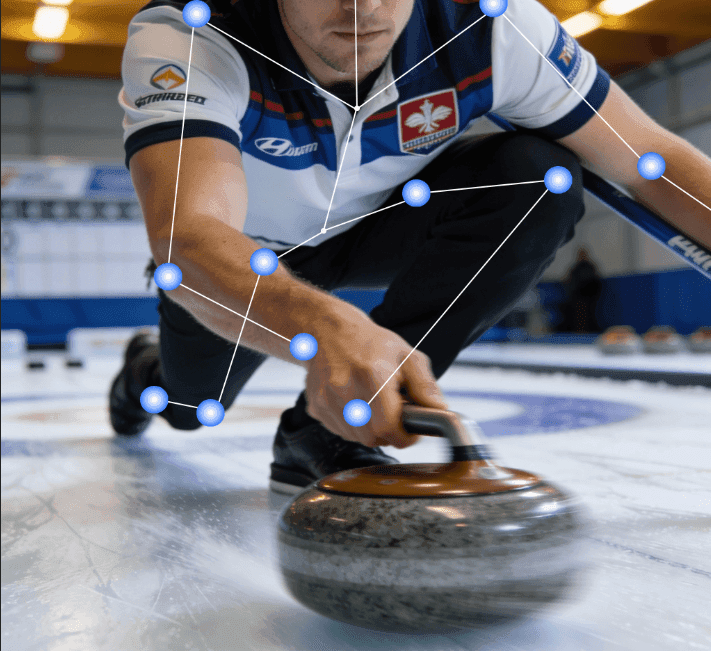
Curling doesn’t start when the stone is released.
It starts much earlier.
Before the delivery, before the sweeping, even before the call, there’s a pause — a moment where the entire end is already being imagined. Curling lives in that space. The quiet one. The one where decisions aren’t rushed and mistakes don’t announce themselves immediately.
On the ice, everything looks minimal. A player crouches low, eyes fixed, hand steady. But what follows is anything but simple. The stone carries weight, speed, and intention, and once it’s moving, the team shifts instantly from execution to interpretation. Ice conditions change. Friction varies. The plan adjusts.
Sweeping, often misunderstood as pure effort, is actually about restraint. Knowing when not to sweep matters as much as knowing when to go all in. A few seconds can mean the difference between guarding a perfect position and opening the entire house to the opponent.
Curling rewards teams who think in layers. Scoring isn’t always the objective. Sometimes the smartest move is to block, freeze, or wait. Pressure builds quietly, stone by stone, until one decision finally tips the balance.
What separates elite curling teams is their ability to stay patient when the temptation to act is strongest. Matches are rarely won with brilliance alone. They are won by avoiding unnecessary risks and forcing opponents into uncomfortable choices.
That’s why curling feels less like a contest of strength and more like a test of composure. It’s not about dominating the ice. It’s about controlling what becomes possible on it.
The Athletes Who Read the Ice Best
As the Winter Games approach this February, the focus turns to the players who have mastered this balance between patience and precision.
From Canada, Brad Gushue continues to define leadership under pressure, guiding matches with calm authority and late-game clarity. Sweden’s Niklas Edin has become synonymous with consistency, leading teams that rarely give away control once it’s established.
On the women’s side, Switzerland’s Silvana Tirinzoni and her team have set a modern standard for discipline, often winning matches not through risk, but through flawless execution over time. Eve Muirhead, representing Great Britain, remains one of the most instinctive tacticians on the ice, capable of shifting momentum with a single call.
These athletes don’t overpower their opponents. They outthink them.
When the stones start moving this February, curling won’t reward urgency. It will reward those who understand exactly when to wait.