1. Introduction to the Feedback Loop in Athletic Training
In sports, the feedback loop is an essential process where performance is assessed, adjustments are made based on that assessment, and the performance is reassessed to evaluate improvement. This iterative cycle fosters growth, enabling athletes to refine their skills, strategies, and mental resilience over time.
2. The Role of Mental Edge Across All Sports
Mental toughness is vital across all sports, not just alpine skiing. Whether it’s maintaining composure during a penalty in soccer, staying calm under pressure in basketball, or recovering from setbacks in tennis, mental edge is the defining factor. Challenges like managing anxiety, maintaining focus, and bouncing back from errors can significantly influence performance. A strong feedback loop strengthens these areas, allowing athletes to adapt and excel in high-pressure situations.
3. How Sprongo's Video Analysis Platform Enhances the Feedback Loop
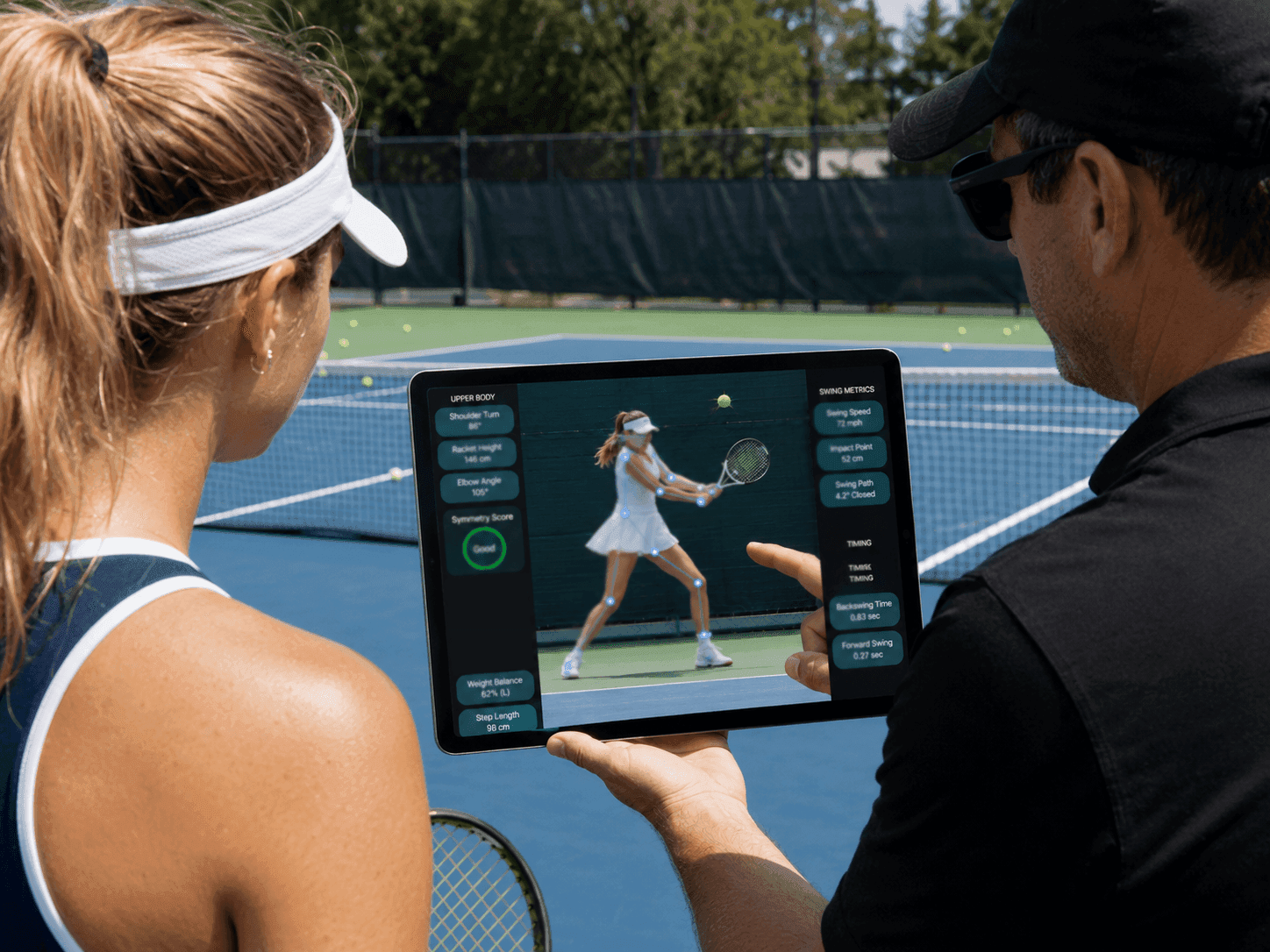
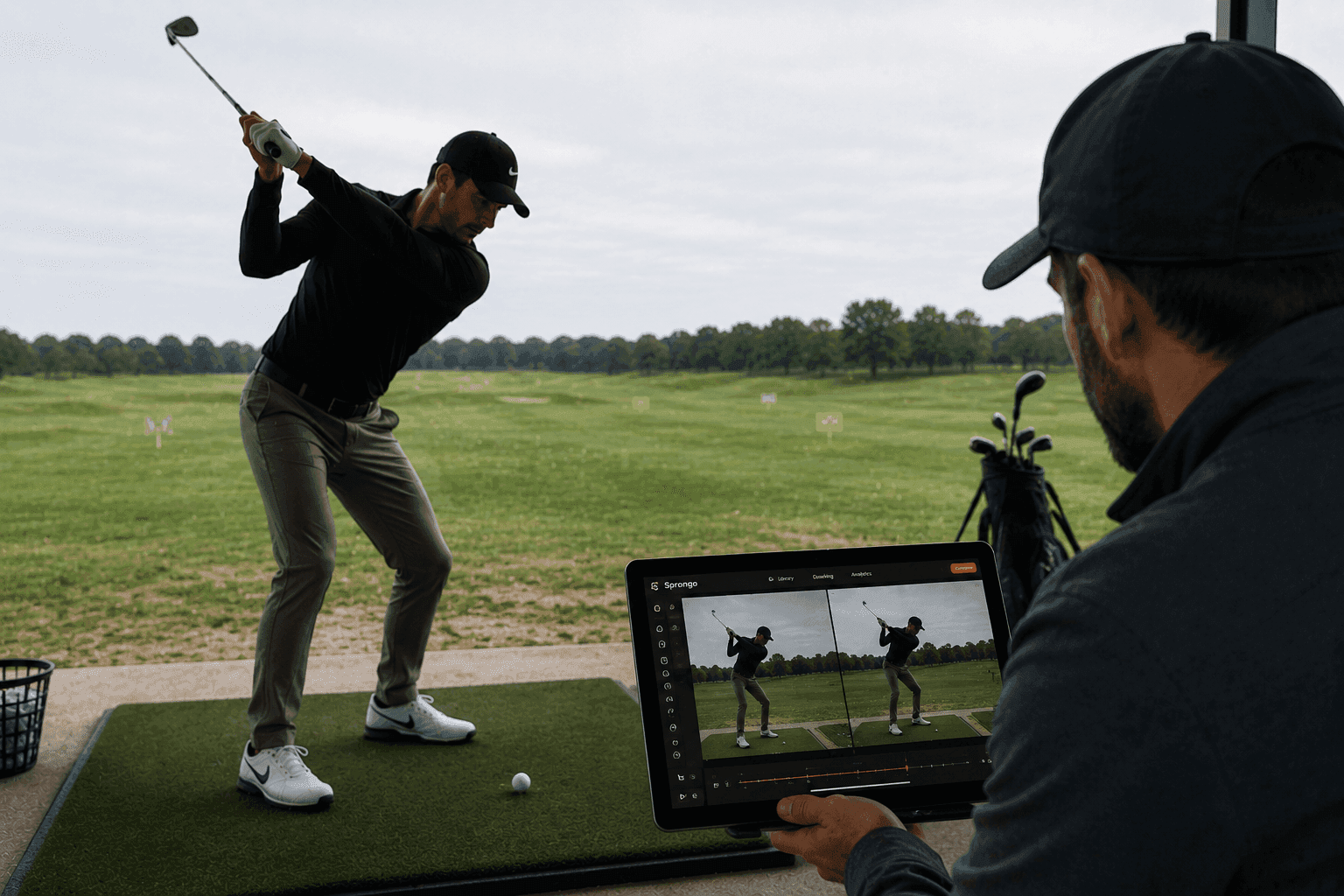
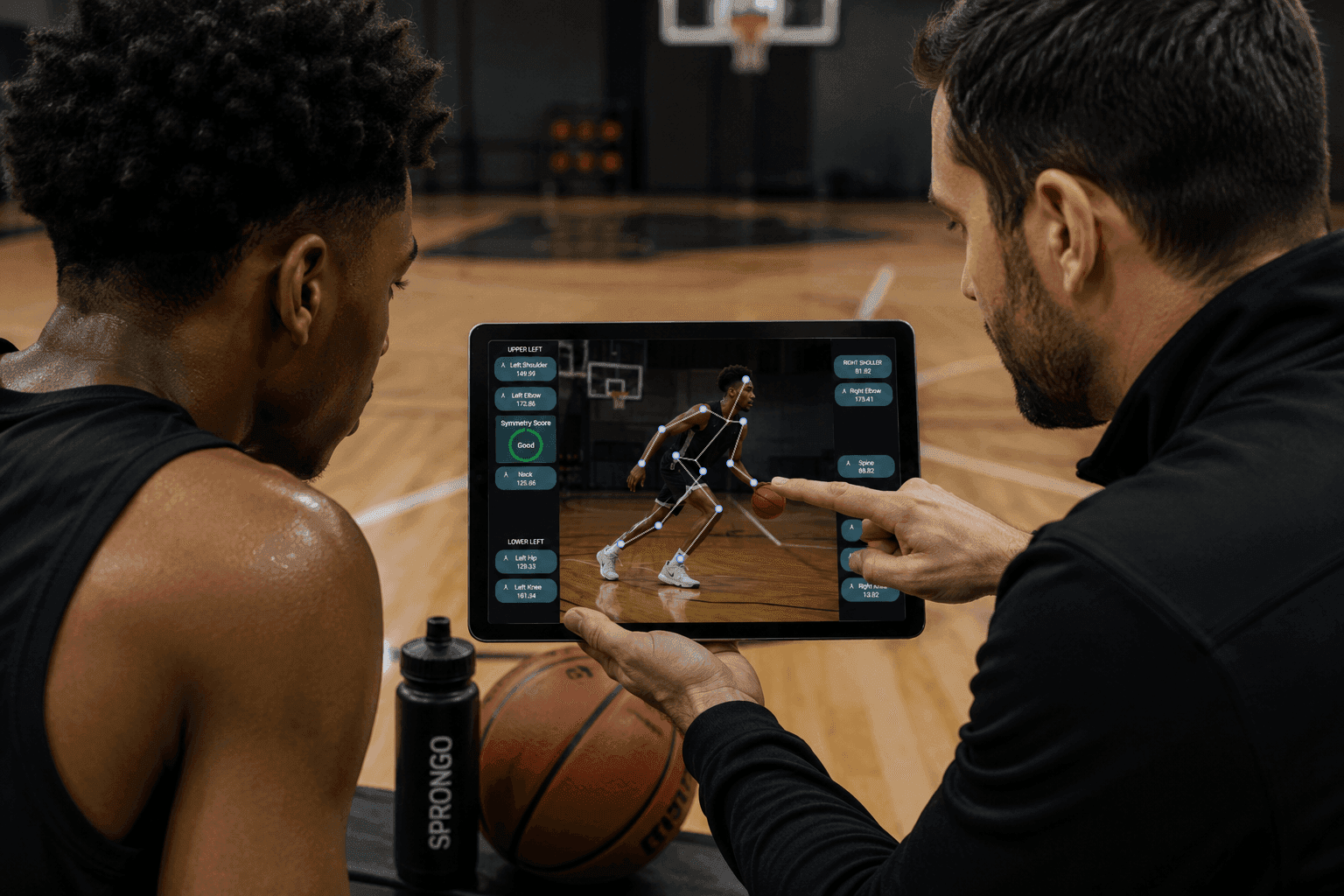
Sprongo’s Video Analysis Platform takes the feedback loop to the next level by providing detailed video reviews and performance analytics. Key features include:
- Identifying Patterns: Highlight moments where mental focus wavered or composure faltered.
- Tracking Progress: Use the platform’s tools to monitor improvements in both mental and technical performance.
- Targeted Strategies: Sprongo enables athletes to address specific mental challenges, such as decision-making under pressure or focus during critical moments.
4. Step-by-Step Guide to Implementing the Feedback Loop with Sprongo
- Set Goals: Define mental objectives like reducing anxiety during pivotal moments or improving focus during the final minutes of a match.
- Analyze Performance: Review video footage to identify moments of mental strength and lapses.
- Make Adjustments: Develop strategies, such as mindfulness exercises, pre-game visualization, or breathing techniques, to address weak points.
- Reassess: Continuously review performances with Sprongo to evaluate the effectiveness of your strategies and make further refinements.
5. Real-Life Applications and Case Studies
- Basketball Example: A player notices they lose focus during free throws. By reviewing footage with Sprongo, they identify nervous body language and adopt breathing techniques to stay calm under pressure, leading to improved shooting accuracy.
- Soccer Example: A goalkeeper uses Sprongo to analyze their reactions during penalties, noticing a tendency to dive too early. By focusing on timing through video reviews, they improve their save rate.
These examples show how Sprongo helps athletes tailor strategies to specific challenges, resulting in tangible performance improvements.
6. Psychological Benefits of Continuous Improvement
The feedback loop doesn’t just improve technical skills; it also enhances mental well-being:
- Increased Self-Awareness: Recognize patterns and triggers for mental lapses.
- Better Decision-Making: Strengthen your ability to stay composed under pressure.
- Boosted Confidence: Gain confidence through repeated success and focused mental training.
- Growth Mindset: Embrace a mindset of continuous development, leading to long-term improvement.
Sprongo’s platform integrates seamlessly into this process, providing athletes with the tools they need to succeed.