Clear communication is one of the most important parts of effective coaching. A coach may understand exactly what an athlete needs to change, but that does not always mean the athlete can immediately feel it, visualize it, or apply it during training. In many sports, the gap between what a coach sees and what an athlete feels can slow down technical development.
Verbal feedback is still valuable, but movement is often too complex to explain with words alone. A coach might tell an athlete to stay balanced, rotate earlier, land softer, keep the elbow higher, or improve timing through a movement phase. These cues can be useful, but athletes may interpret them differently depending on their experience, body awareness, and learning style.
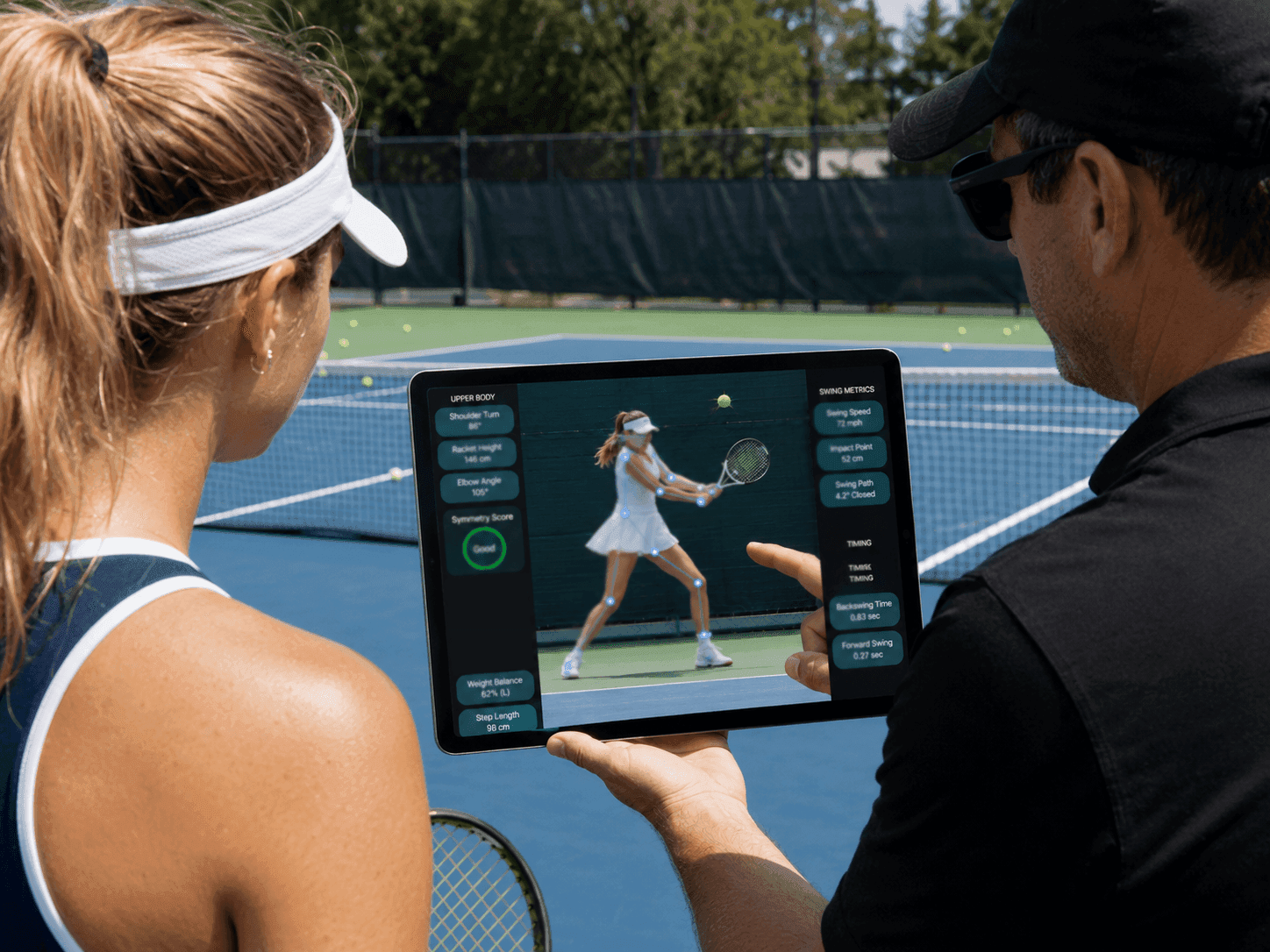
Video analysis gives coaches a clearer way to show what they mean. Instead of relying only on description, coaches can point to the exact moment where movement breaks down. This makes feedback more specific and easier to understand. When athletes can see the difference between what they felt and what actually happened, the correction becomes more meaningful.
One of the biggest benefits of video-based communication is that it creates a shared reference point. Without video, a coach and athlete may be discussing the same movement but imagining it differently. With video, both can look at the same frame, the same position, and the same timing issue. This reduces confusion and makes technical conversations more productive.
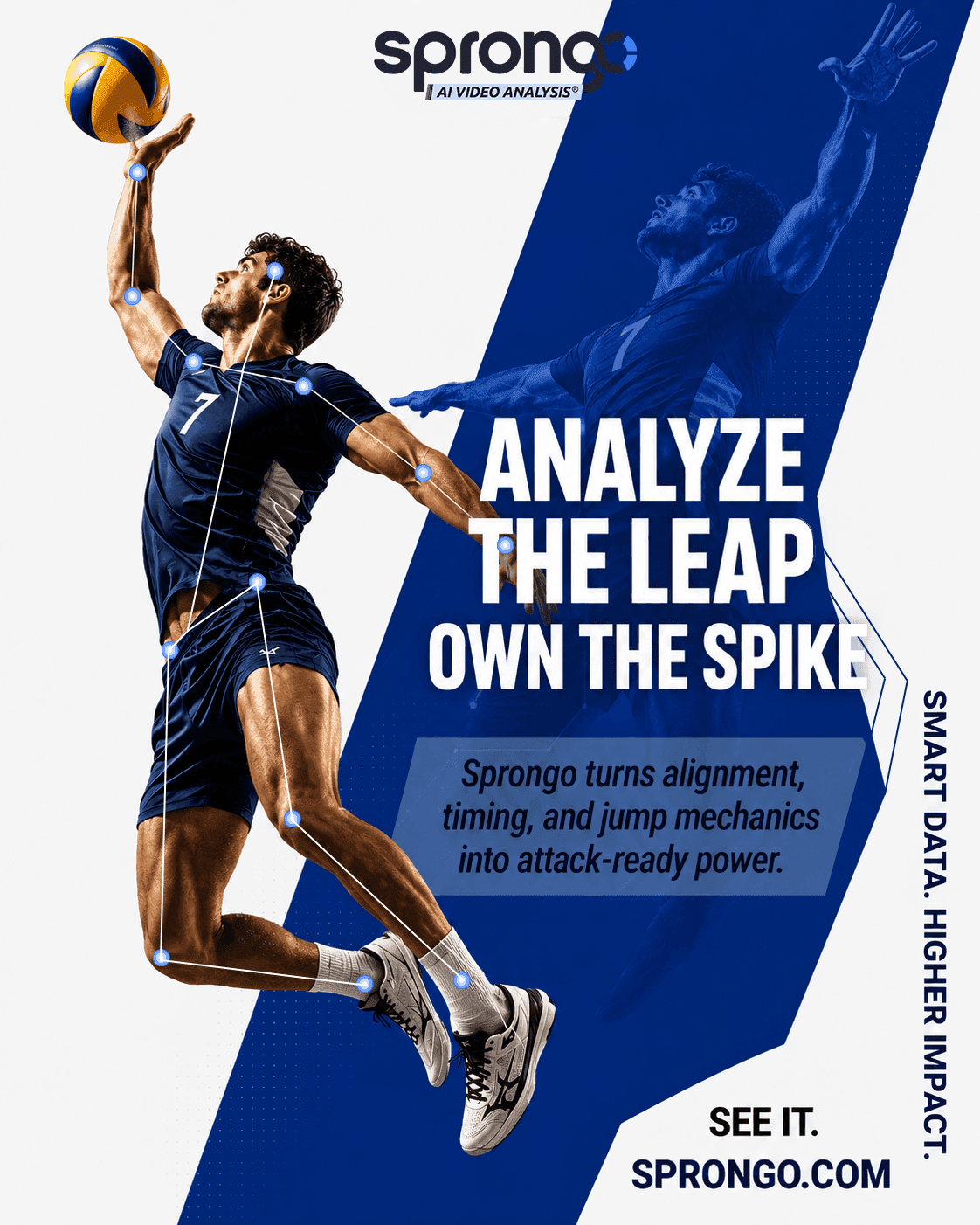
Video analysis is especially useful when movements happen quickly. In tennis, a serve can break down because of poor toss timing, shoulder position, or late rotation. In basketball, shooting mechanics may change slightly under fatigue. In volleyball, a player’s approach timing may be off by a fraction of a second. These details are difficult to communicate clearly without slowing the movement down and reviewing it visually.
Side-by-side comparison can also improve communication. Coaches can compare two attempts from the same athlete, show progress over time, or highlight differences between a stronger repetition and a weaker one. This helps athletes understand not only what needs to change, but what better execution actually looks like.
Another important advantage is athlete ownership. When athletes can see their own movement, they become more involved in the feedback process. Instead of only receiving instructions, they can ask better questions, recognize patterns, and understand the purpose behind corrections. This often makes coaching feel more collaborative rather than one-directional.
Video analysis can also help coaches avoid overloading athletes with too much information at once. A video review session can focus on one specific detail, such as foot placement, posture, timing, or landing control. By narrowing the feedback, coaches can make corrections more actionable and easier to apply in the next training session.
For teams, video feedback creates consistency. Multiple coaches may work with the same athletes, and athletes may train across different sessions or environments. Having video examples and saved feedback helps maintain a clearer development record. Coaches can return to previous clips, track progress, and keep communication aligned over time.
Platforms like Sprongo support this process by giving coaches and athletes a more organized way to review, compare, and discuss movement. Slow-motion playback, visual annotations, and side-by-side review help turn complex performance moments into clearer coaching conversations. Instead of feedback disappearing after practice, athletes can revisit key corrections and continue learning between sessions.
Strong coaching is not only about knowing what to fix. It is about helping athletes understand the correction clearly enough to apply it. Video analysis strengthens that communication by making movement visible, specific, and easier to discuss. When athletes and coaches see the same details, feedback becomes more practical, learning becomes more collaborative, and performance development becomes easier to guide.