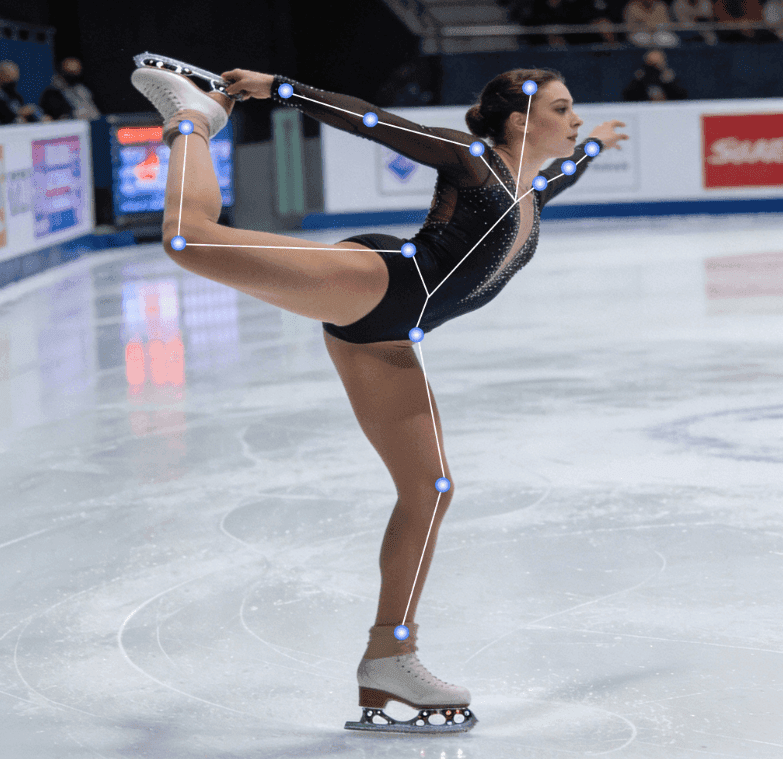
Figure skating exists in a narrow space between control and collapse.
On the ice, nothing is hidden. Every shift of weight, every hesitation, every breath is visible. Unlike many winter sports, figure skating doesn’t allow mistakes to pass quietly. The ice reflects everything back — instantly and honestly.
What looks like elegance from the stands is often the result of extreme physical demand. Holding a position isn’t passive. It requires constant adjustment, strength through stillness, and the ability to keep tension from breaking form. Balance, here, isn’t a moment it’s a continuous negotiation.
Figure skating is also about restraint. The most powerful performances rarely look rushed. Great skaters understand pacing: when to let speed build, when to slow the moment down, when to let difficulty emerge without forcing it. Control isn’t shown through excess. It’s shown through confidence.
Spins demand clarity even as fatigue creeps in. Jumps require full commitment hesitation doesn’t survive takeoff. Footwork exposes rhythm and focus, especially when the body wants to rest. The sport doesn’t reward perfection; it rewards composure when perfection slips just out of reach.
That’s why figure skating remains one of the most compelling disciplines on ice. Not because it’s decorative, but because it’s unforgiving. The surface may look smooth, but it doesn’t soften pressure. It amplifies it.
The Skaters Who Carry the Moment
As the Winter Games approach this February, attention turns to athletes who consistently hold that balance under the brightest lights.
On the women’s side, Kaori Sakamoto continues to define reliability, delivering programs built on stability, speed, and quiet authority. Isabeau Levito represents a younger generation, combining technical precision with a calm presence that rarely cracks under expectation.
In men’s competition, Ilia Malinin has reshaped the conversation around difficulty, pushing boundaries while maintaining control when it matters most. Skaters like Shoma Uno bring experience and maturity, allowing programs to breathe rather than overwhelm.
These athletes don’t chase reaction. They trust preparation. When they step onto the ice, the noise fades — and what remains is execution.
Figure skating doesn’t wait for mistakes. It waits for those willing to stay composed long enough to avoid them.
And when the ice is set this February, balance will matter more than brilliance.