Introduction
In running, perfecting form is key to improving speed, reducing injury risk, and enhancing overall performance. One of the most effective ways to fine-tune your technique is through gait analysis. Whether you're a recreational runner or an elite athlete, understanding your gait can unlock insights into your unique biomechanics, allowing you to make necessary adjustments for optimal results. In this guide, we’ll walk through the basics of gait analysis, its benefits, and how you can use Sprongo’s video analysis tools to elevate your running performance.
What is Gait Analysis?
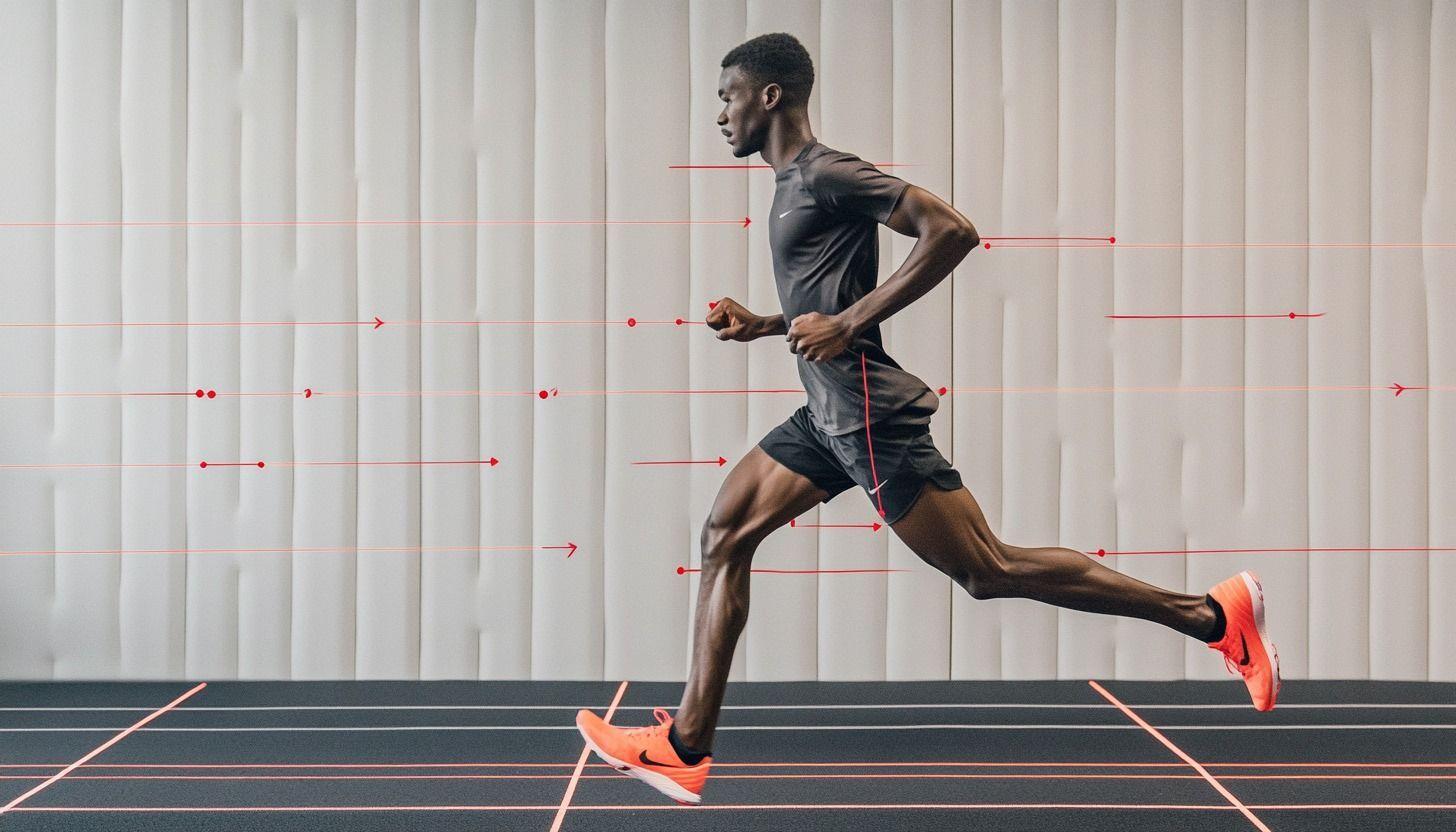
Gait analysis is the systematic study of human movement, focusing on the mechanics of running or walking. It involves breaking down each phase of your stride to assess how your body moves. The analysis helps identify patterns and irregularities in foot strike, stride length, hip rotation, knee alignment, and more.
There are two main types of gait analysis:
- Basic Gait Analysis – Observes general movement patterns without specific tools or technology.
- Advanced Gait Analysis – Utilizes specialized software, cameras, or treadmills to capture a detailed view of biomechanics.
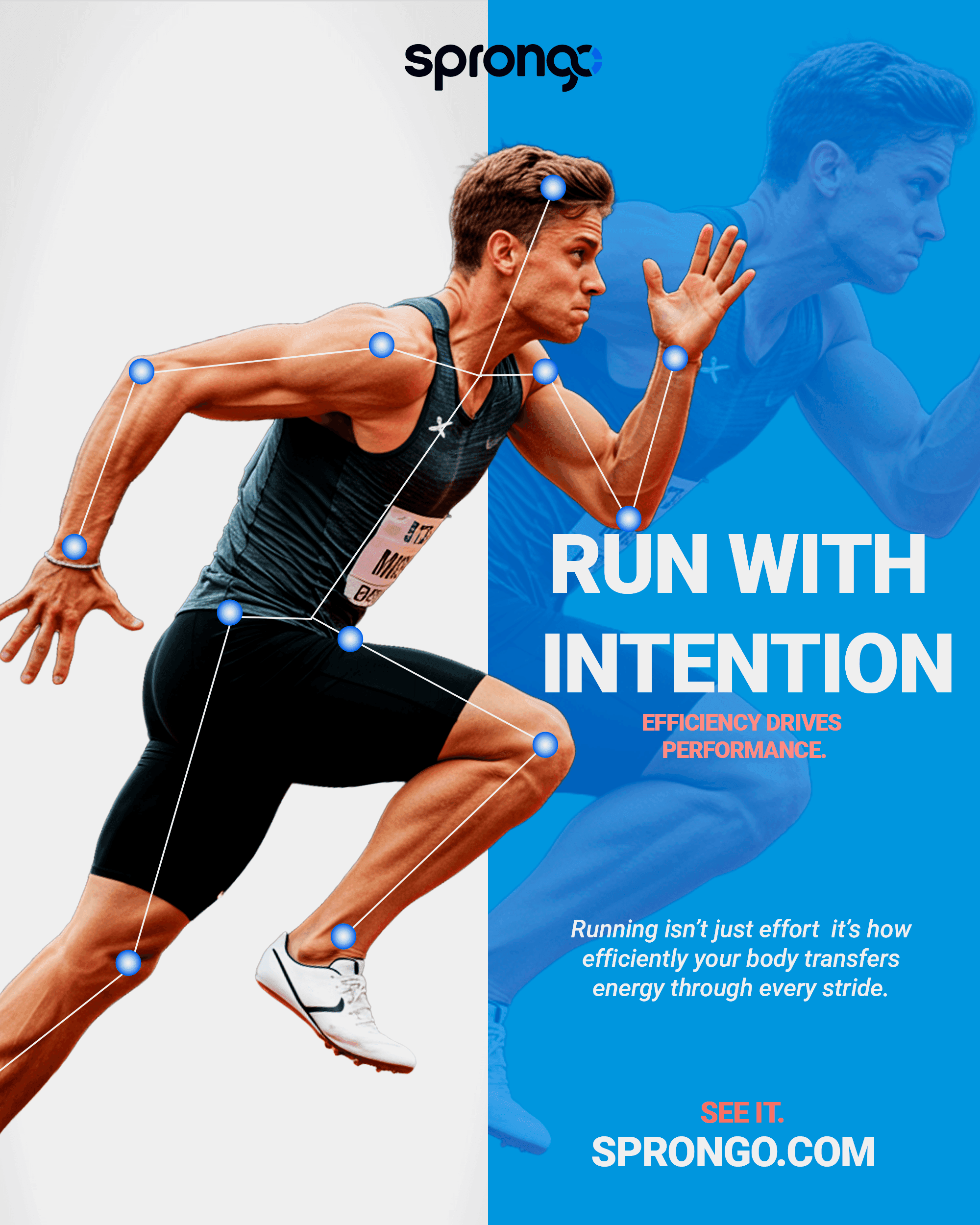
Sprongo’s advanced video analysis tools can help turn a basic gait analysis into a comprehensive review, offering valuable insights that allow for targeted adjustments and significant performance improvements.
The Phases of Gait in Running
Each running stride consists of three key phases:
- Initial Contact (Heel Strike or Midfoot Strike) – The first point of contact with the ground, which affects balance, stability, and injury risk.
- Midstance – The point when your body weight is balanced on the single foot in contact with the ground.
- Toe-Off (Push Off) – The final stage where the foot leaves the ground, powering the forward movement.
A thorough gait analysis examines these phases, noting any inefficiencies that could impact your performance or increase your risk of injury.
Benefits of Gait Analysis for Runners
- Injury Prevention: Identifying issues like overpronation, supination, or improper foot strike can reduce strain on the joints and prevent common injuries, such as shin splints, plantar fasciitis, and runner’s knee.
- Performance Optimization: Correcting gait irregularities can improve running economy, helping you run faster and more efficiently.
- Personalized Training Adjustments: With a clear picture of your biomechanics, you can adjust your training to target specific weaknesses, such as hip strength or ankle flexibility.
Using Sprongo for Gait Analysis
Sprongo’s video analysis tools are designed to help athletes of all levels gain a better understanding of their technique and make meaningful improvements. Here’s how to perform a gait analysis using Sprongo:
1. Capture Your Running Gait on Video
- Set up a recording of yourself running from multiple angles (front, side, and back). This will give a full view of your biomechanics.
- Ideally, record at a slow speed to capture every detail of each stride phase.
2. Upload and Analyze Your Video in Sprongo
- Upload your footage to the Sprongo platform. Use tools like slow motion and freeze-frame to break down each part of your gait.
- Watch each phase carefully and look for key indicators, such as foot strike patterns, hip rotation, and knee alignment.
3. Identify Key Areas for Improvement
- Use Sprongo’s annotations to mark areas that need adjustment, such as an inward knee collapse or heel strike imbalance.
- Compare your video to past footage to track progress over time and evaluate whether adjustments have been effective.
4. Consult with Coaches or Peers
- Sprongo’s platform allows for sharing and collaboration, so you can easily get feedback from coaches, trainers, or even other athletes.
- Feedback from others can provide new perspectives and highlight any issues you may have overlooked.
Common Gait Issues to Watch For
During your analysis, keep an eye out for these common gait issues that may hinder your running performance:
- Overstriding: When the foot lands too far ahead of the body, increasing braking force and potentially causing injuries.
- Overpronation: Excessive inward foot roll upon landing, which can lead to ankle and knee pain.
- Supination: Insufficient inward roll, putting excess pressure on the outer edge of the foot.
- Excessive Vertical Oscillation: Too much up-and-down movement wastes energy and reduces forward momentum.
Each of these issues can be identified with Sprongo’s detailed video analysis, allowing you to adjust accordingly and refine your form.
How Gait Analysis Can Improve Training
With the insights gained from gait analysis, you can tailor your training to focus on specific weaknesses. For instance:
- Strengthen Weak Muscles: If your analysis shows weak glutes or hip instability, incorporate exercises like squats, lunges, and resistance band exercises to build strength.
- Improve Flexibility: If tight calves or hamstrings are affecting your form, add dynamic stretches and foam rolling to your warm-up routine.
- Increase Core Stability: A stable core helps support efficient running mechanics. Add planks, Russian twists, and other core exercises to enhance stability.
Conclusion
Gait analysis is a powerful tool for runners, offering a detailed look at biomechanics that can lead to impressive improvements in both performance and injury prevention. With Sprongo’s video analysis platform, runners have access to cutting-edge tools that allow for precise, personalized insights right at their fingertips.
Embrace gait analysis as part of your running routine to fine-tune your form, increase your speed, and safeguard against injuries. By understanding and optimizing your unique gait, you can elevate your performance and reach new personal bests.
Ready to refine your running form? Start using Sprongo today to bring your training to the next level!