In many sports, movement happens too quickly for athletes and coaches to fully process every detail in real time. Whether it is a golf swing, sprint start, tennis serve, or basketball movement sequence, technical errors often occur within fractions of a second. Even experienced coaches can miss subtle mechanical issues during live performance. This is one of the main reasons slow-motion video review has become such an important part of modern coaching.
Slow-motion analysis allows movement to be broken down frame by frame, giving coaches a clearer understanding of how athletes generate force, transfer energy, maintain balance, and execute technique under pressure. Instead of relying only on observation during training sessions, coaches can review movement patterns more carefully and identify errors that may otherwise go unnoticed.
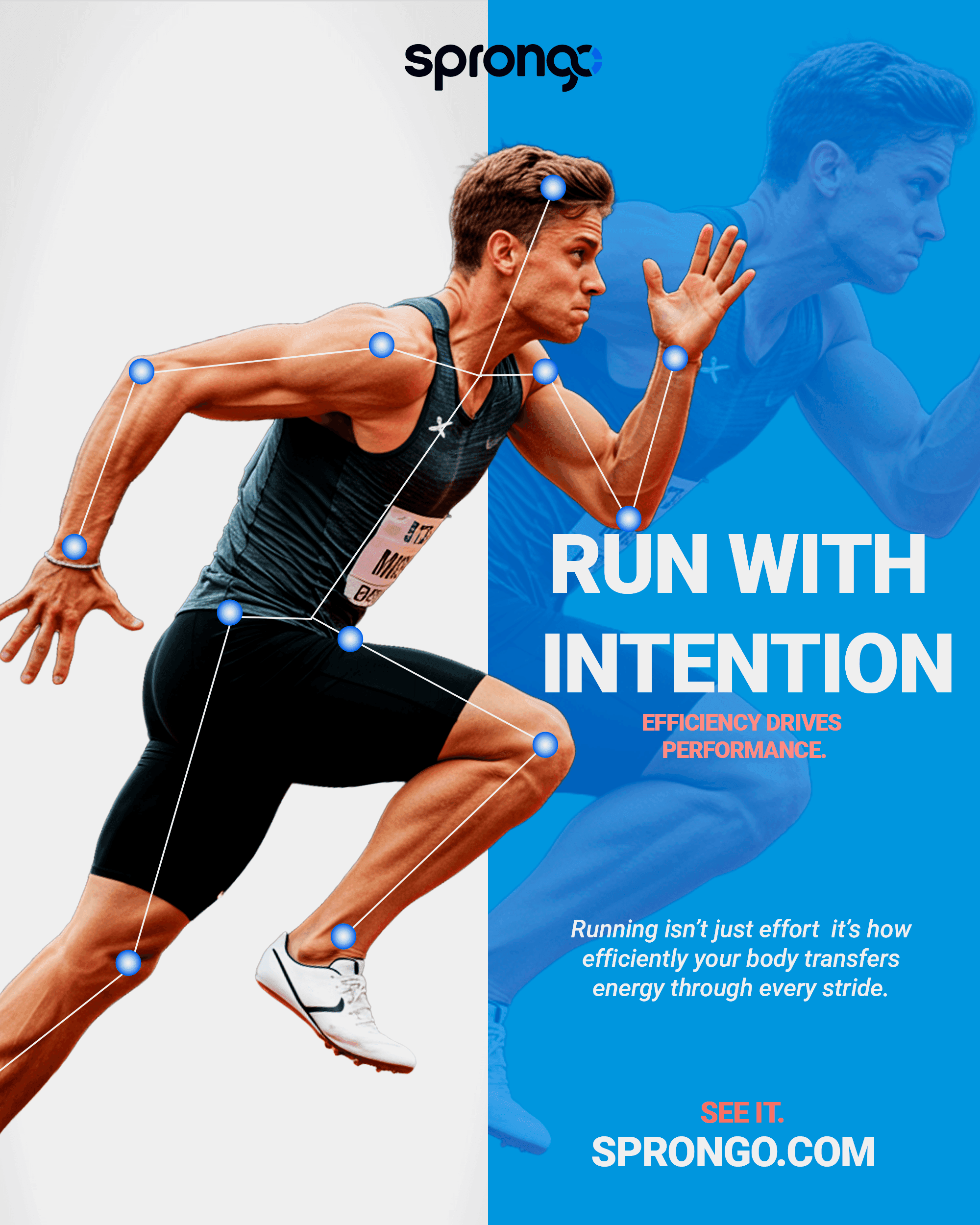
One of the biggest benefits of slow-motion review is the ability to isolate specific phases of movement. In sprinting, coaches can analyze ground contact time, posture, and acceleration mechanics. In golf, slow motion helps reveal sequencing issues, weight transfer patterns, and club path inconsistencies. In basketball, coaches can study foot placement, balance, and shooting mechanics in much greater detail.
Athletes also benefit significantly from seeing their own movement slowed down. Many athletes rely heavily on feel during practice, but movement perception is not always accurate. A basketball player may believe their shooting form remains consistent throughout fatigue, while slow-motion review reveals subtle changes in elbow alignment or balance. A golfer may feel properly rotated during the downswing, yet video analysis may show limited hip rotation or timing breakdowns.
This visual feedback creates better body awareness and allows athletes to connect coaching instruction with actual movement. Instead of hearing general corrections repeatedly, athletes can visually recognize technique errors and understand exactly where adjustments need to happen. This often improves learning speed and communication between coaches and athletes.
Slow-motion review is especially valuable when working on movement consistency. Technical performance is rarely about one perfect repetition. Coaches need to identify repeatable patterns across multiple attempts, and slow-motion playback makes those patterns easier to recognize. It allows coaches to compare successful repetitions against inefficient ones and identify the small differences that influence performance outcomes.
Another important advantage is injury prevention. Poor movement mechanics are not only performance limitations; they can also increase physical stress on joints and muscles over time. Reviewing movement slowly helps coaches identify compensations, instability, and inefficient loading patterns before they develop into larger problems.
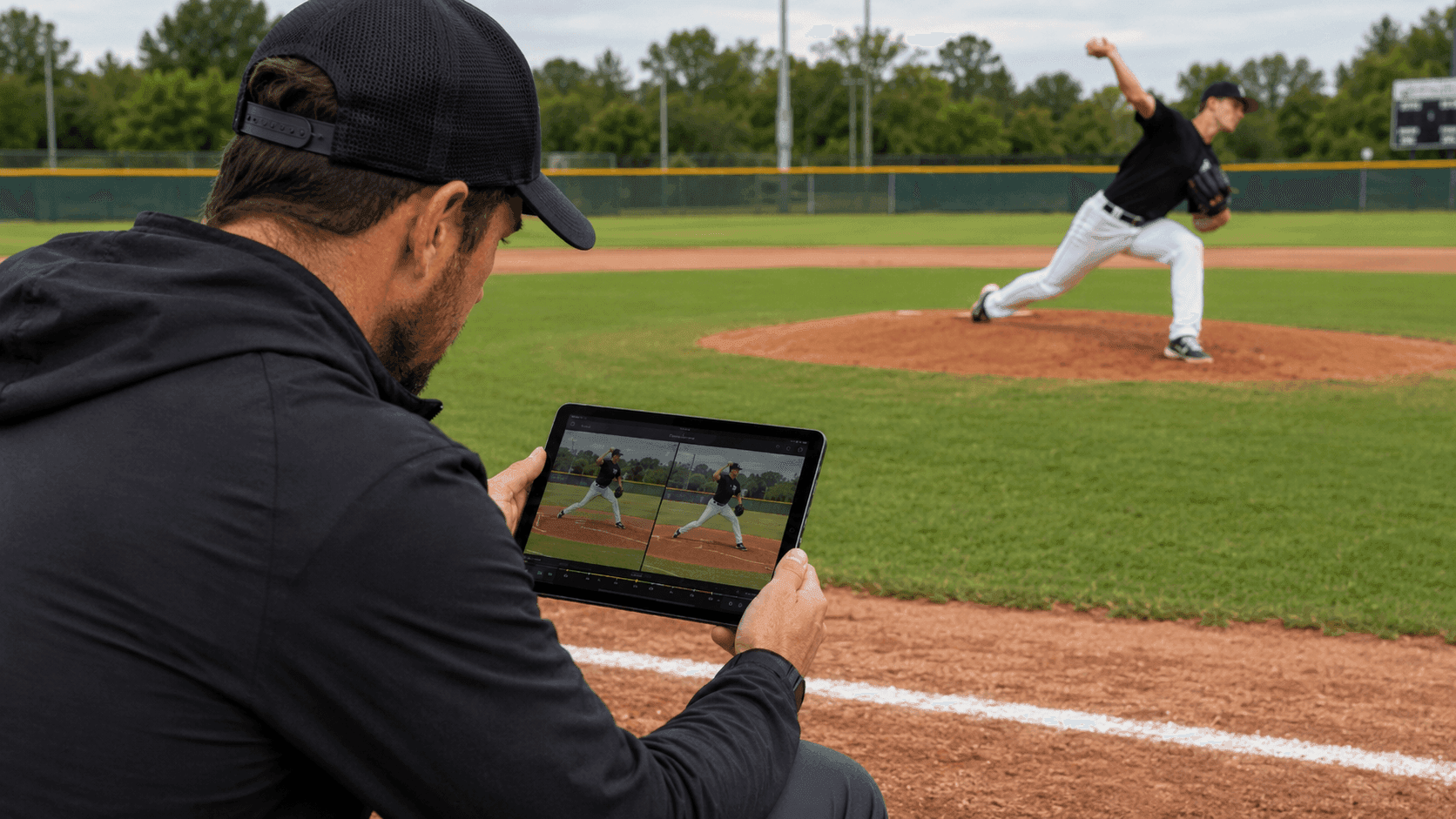
As sports performance continues to become more detail-oriented, video analysis tools are playing a larger role in athlete development. Coaches now rely on slow-motion playback, side-by-side comparisons, and frame-by-frame review to create more precise and measurable feedback systems.
Platforms like Sprongo help simplify this process by allowing coaches and athletes to review movement in greater detail without interrupting the natural flow of training. Features such as slow-motion analysis, visual feedback tools, and comparison review give coaches a more structured way to analyze technique and communicate corrections more effectively.
In modern coaching environments, small technical details often separate good performance from elite performance. Slow-motion review helps coaches slow the game down, study movement with greater clarity, and give athletes more actionable feedback that leads to long-term improvement.