Why video beats feel
Every athlete has felt it: the rep felt perfect, but the result said otherwise. Movement in sport happens too fast for the eye, and what an athlete feels is not always what their body is doing. A knee that collapses for a tenth of a second, a head that dips as the hands rise, a takeoff that starts a fraction early. You can only fix what you can see.
Video turns that moment into something you can pause, slow down and talk about. But filming alone doesn't make anyone better. Plenty of phones are full of clips nobody ever reviews. What makes the difference is a simple, repeatable method. Here's the one we built Sprongo around, and it works for any sport you can film.
Step 1: Capture the attempt
Start with one attempt worth reviewing. It can come from training, a competition or a session with your coach. A few rules make the footage far more useful:
- Keep the camera still. A tripod, a fence or a water bottle beats handheld.
- Get the whole athlete in frame for the whole movement, including the equipment: skis, bat, bow, oar.
- Film from the same spot each session, so clips can be compared fairly.
- Put the light behind the camera, not behind the athlete.
- Record a few clean reps rather than one long, wandering clip.
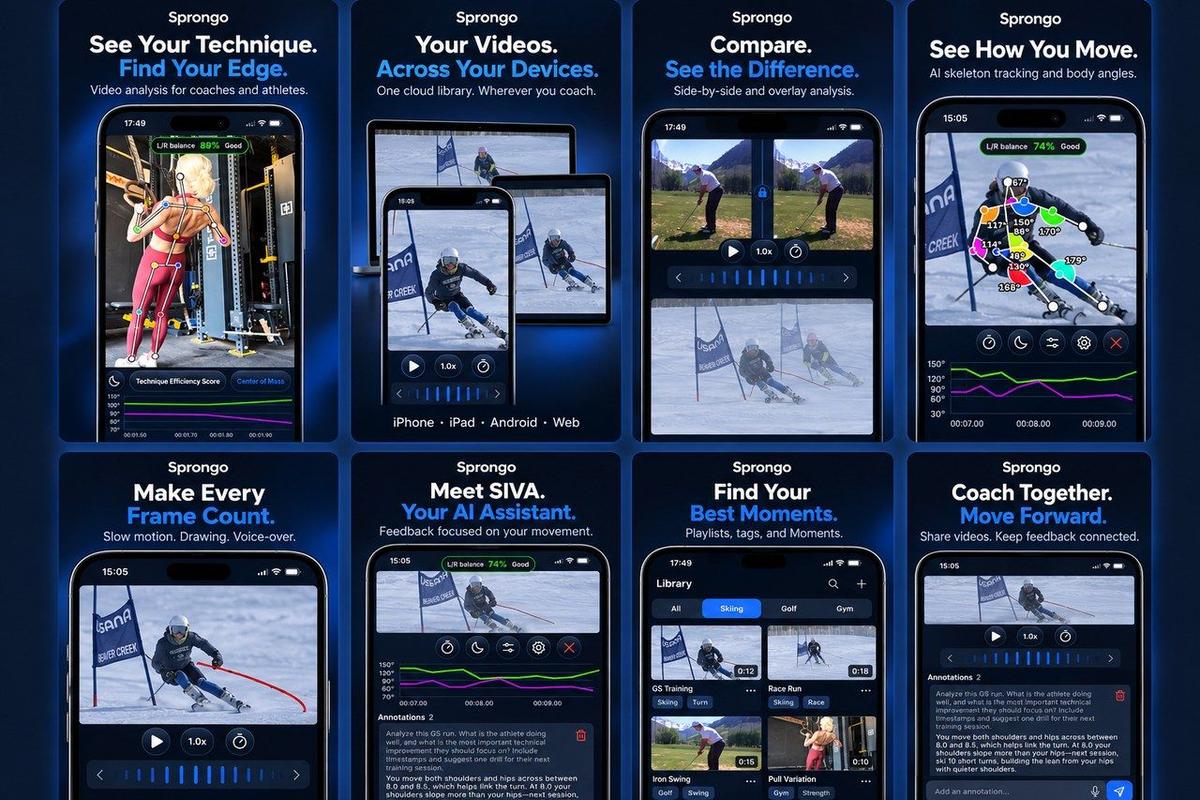
In Sprongo, every clip lands in one library, where you can search by name or date and filter what you've tagged, starred or shared. If you say an athlete's name in the first 5 seconds of a video, Sprongo tags them automatically, so a busy session doesn't turn into a pile of unnamed files.
Step 2: Compare what changed
A single clip tells you what happened. Two clips tell you what changed. Comparison is where most of the learning happens, because it turns "that looked better" into "your knee is bent more at the same point of the turn."
Useful comparisons include:
- This week's attempt against last month's, to see progress.
- A good rep against a poor one from the same session, to find the difference that matters.
- Before and after a cue or drill, to check that the change actually showed up.
In Sprongo, pick Compare from any clip, sync the two attempts and slow them down to see exactly where they split. You can view them side by side or overlaid.
Tip: line both clips up on the same moment, such as foot plant, takeoff or the start of the turn. Comparing two attempts at different moments is one of the most common ways to fool yourself.
Step 3: Understand what matters
Now slow down and look for the one thing that explains the most. This is where coaches earn their keep, and where it's easy to get lost in detail. A few habits help:
- Pick one body part or joint to follow, not the whole body at once.
- Pick one moment that matters, like the catch in rowing, full draw in archery or foot plant in a baseball swing.
- Ask a focused question. "Is my front knee stable from foot plant to contact?" is far more useful than "Is my swing good?"
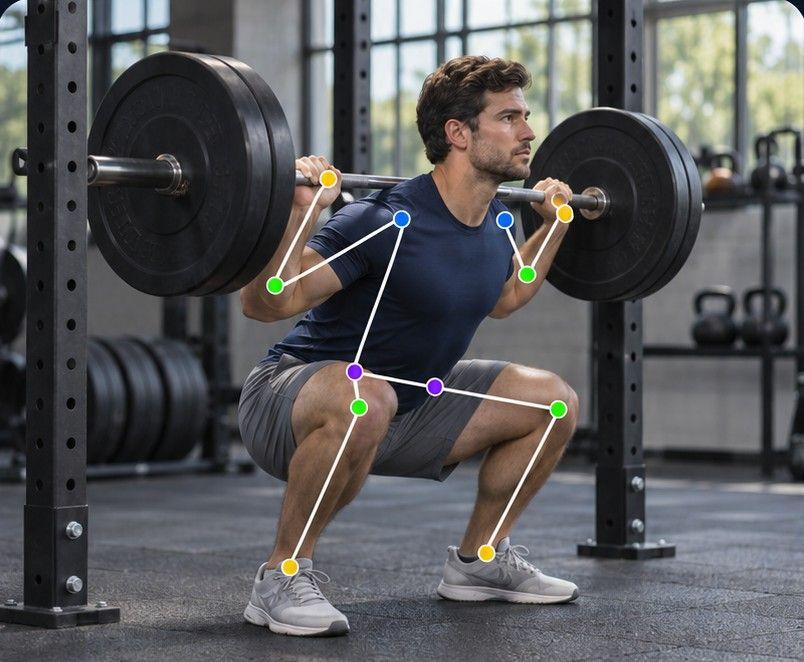
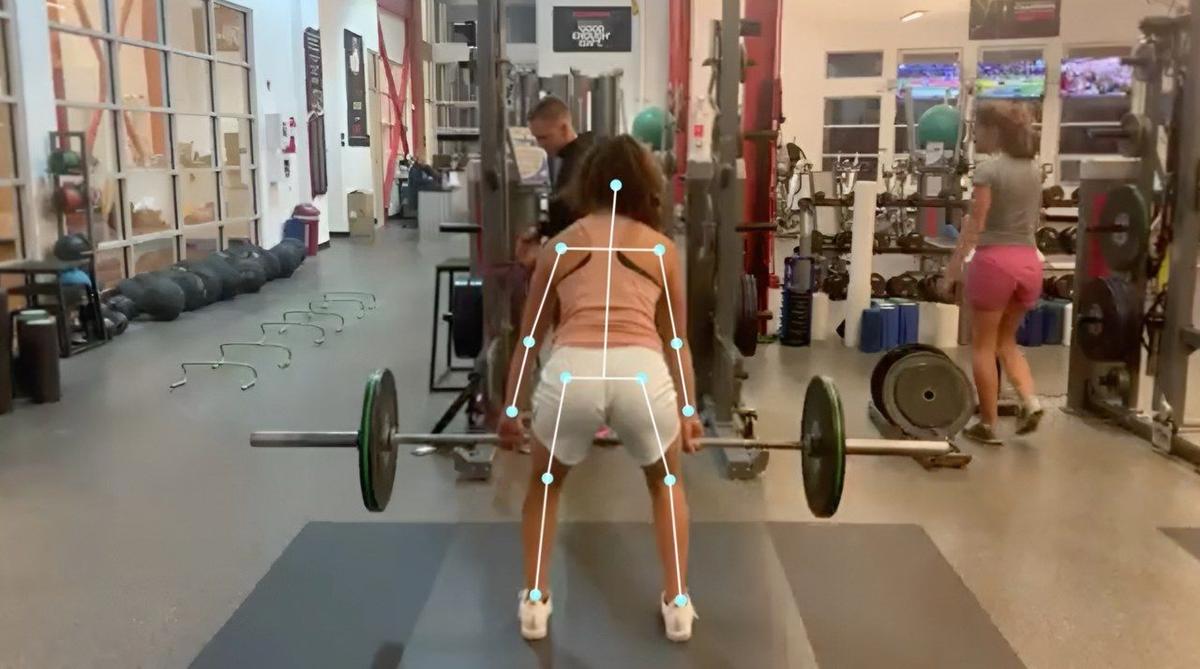
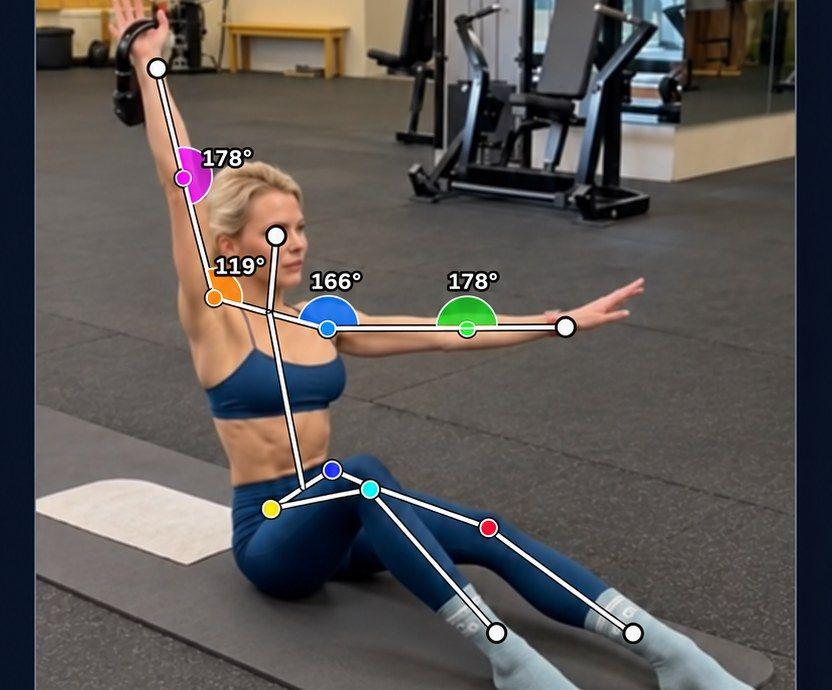
Sprongo has two tools built for this step. Path Track traces the center of mass or any joint through the movement, in the color you choose, with joint angles shown on the athlete. And SIVA, Sprongo's AI video assistant, answers a focused question about a clip using the movement data in it. You select a joint, choose the moment and ask. SIVA tells you what it noticed and suggests a next focus.
Here's a real example from an archery clip. The athlete asked about stability and technique. SIVA noticed that the feet and hips stayed planted, so the base looked steady, but that the head dipped as the hands rose. The suggested next focus was to keep the head quiet and bring the bow up to the same face position each time.
SIVA reads 2D video, so camera position and how clearly the athlete is visible affect what it can see. It supports your coach; it doesn't replace them.
Step 4: Improve with one next step
Analysis is only worth something if it changes the next rep. End every review with one clear next step, not five. Write it down, say it out loud, or draw it on the frame.
In Sprongo you can draw on the frame, leave a voice note and share the exact moment with your athlete or coach, so the feedback stays attached to the video instead of getting lost across messages and files. Mark the moment with a Moment, add it to a playlist, and you'll find it again in seconds next session.
Then go back to Step 1. Film the next attempt from the same spot, compare it with the last one, and check whether the change showed up. That loop, repeated over weeks, is what turns video into real improvement.
A 10-minute review routine you can use today
- Film three reps from the same spot.
- Watch each once at full speed, without stopping.
- Pick the best and worst rep and compare them side by side.
- Choose one joint and one moment to focus on.
- Ask one focused question, of your coach or of SIVA.
- Agree on one next step and film the next set to check it.
Common mistakes to avoid
- Changing the camera angle between sessions, then mistaking the new angle for a change in technique.
- Only watching in slow motion. Watch at full speed first to see rhythm and timing.
- Trying to fix everything at once.
- Reviewing clips days later, when the feel of the attempt is gone.
- Keeping clips spread across camera rolls and chat threads, where nobody can find them again.
Works for any sport you can film
We've recorded examples in Sprongo for skiing, archery, baseball, long jump, rowing and race walking, and the same four steps apply to any sport you can film. Your sport isn't listed? If you can film it, you can review it.
Try the method in Sprongo
Sprongo PRO gives you your own video library and analysis tools, a group of up to 3 people, and 3 SIVA feedbacks each month, for $10 a month or $60 a year. It works the same on iPhone, Android, tablet and the web.
Get PRO, $10/month · App Store · Google Play
Coaching a club or team? See team plans.