How To Use Video Analysis to Reduce Common Injuries in Athletes
Injuries are a common challenge for athletes, often impacting their performance and progress. While strength and conditioning programs are essential for resilience, the foundation of injury prevention lies in correcting form errors and ensuring proper biomechanics. Video analysis allows coaches and athletes to pinpoint these errors before they lead to injury, making it an invaluable tool for sports medicine and training alike.
Why Video Analysis is Essential for Injury Prevention
Video analysis enables a detailed review of an athlete’s movement patterns, allowing coaches to identify inefficient or risky mechanics that may lead to injury. It provides a clear and objective view of an athlete’s form and biomechanics, highlighting areas where improvements can prevent unnecessary strain.
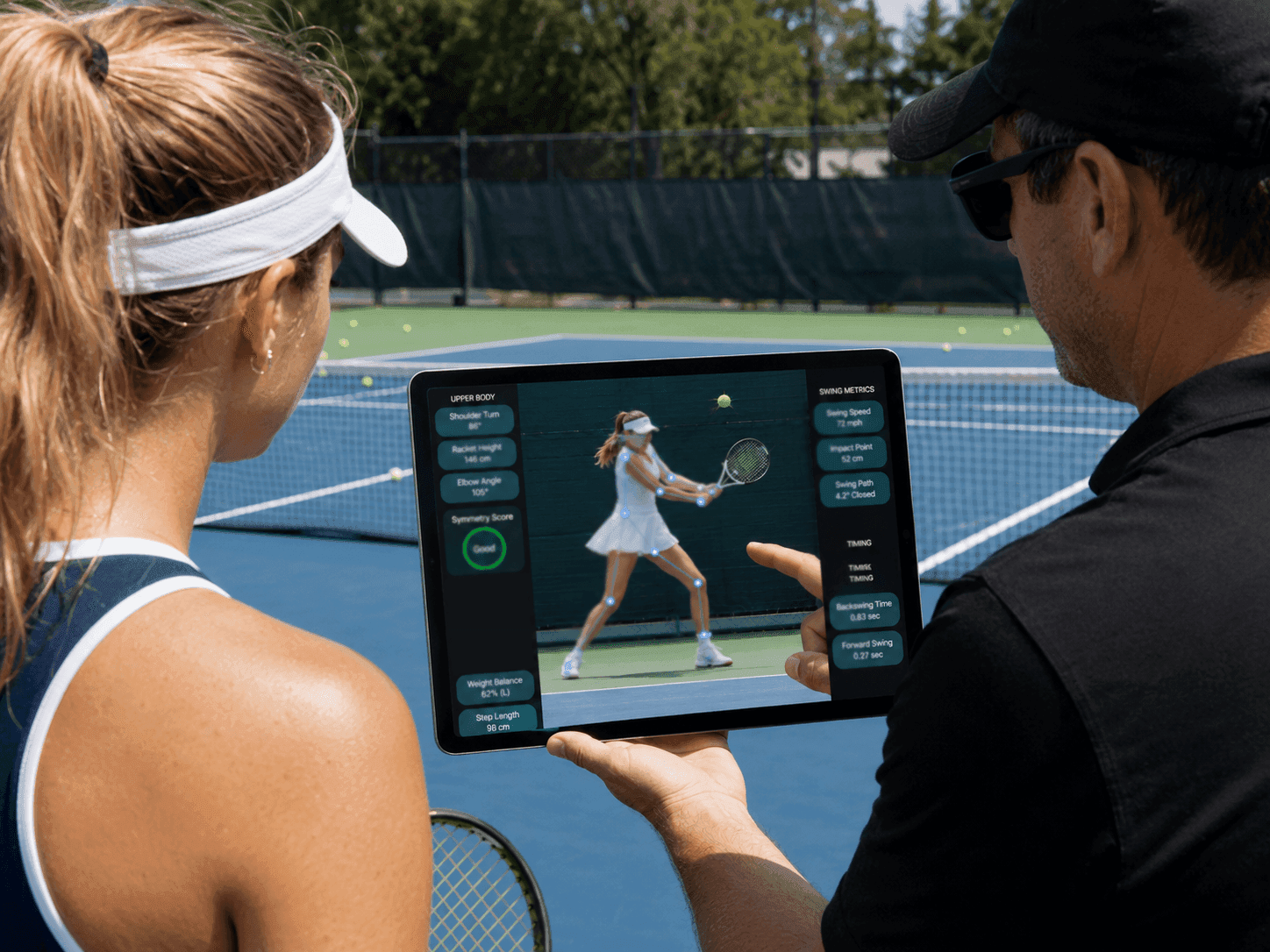
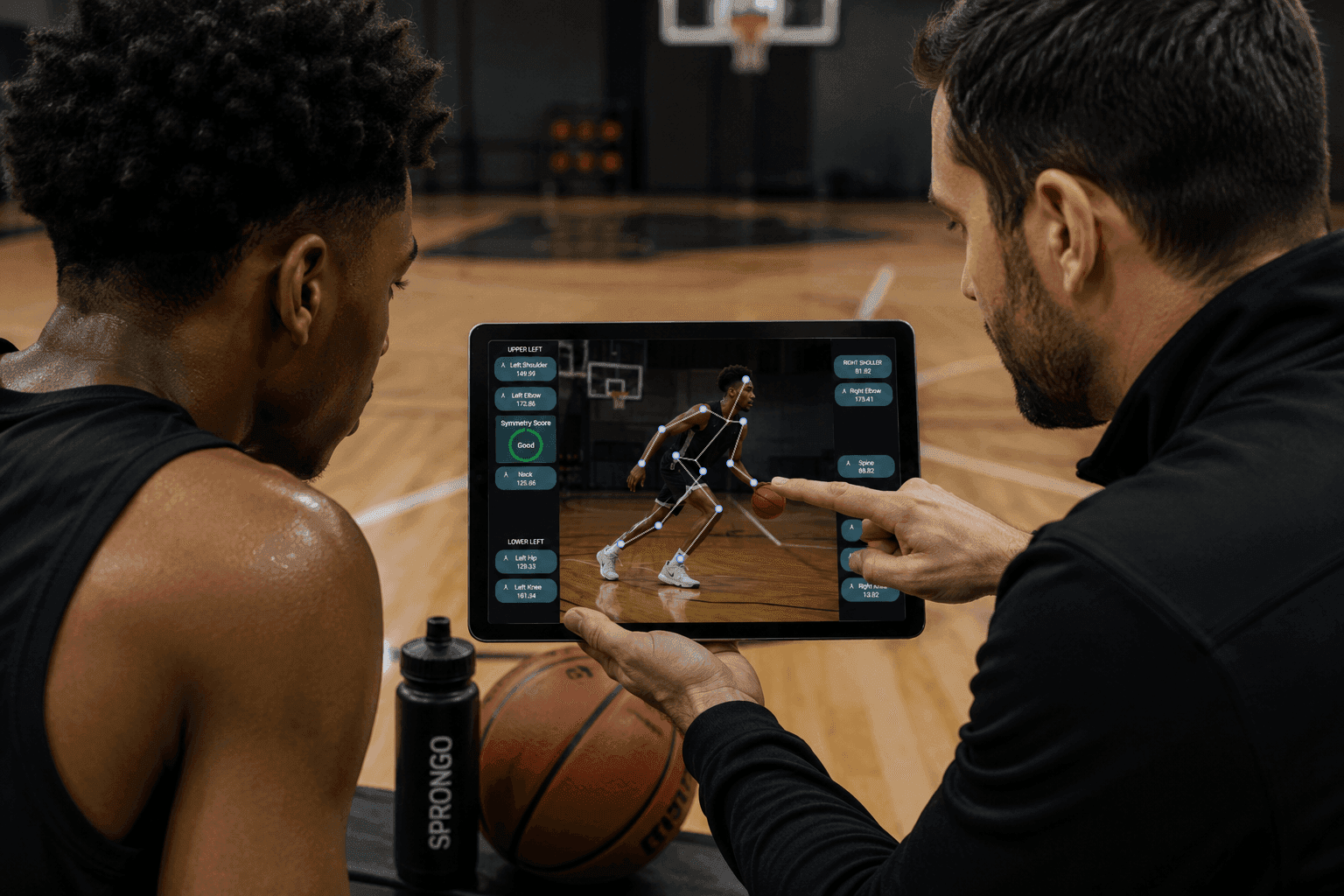
With Sprongo’s video analysis tools, athletes can visualize the impact of every movement on their body, particularly around high-risk areas like the knees, shoulders, and spine. The feedback is immediate and actionable, making it easy to implement necessary adjustments before they cause harm.
1. Identifying Form Errors and Movement Patterns
Common Form Errors: Form errors such as poor knee alignment, excessive forward lean, or rounded shoulders can lead to repetitive strain and overuse injuries. These movements may not be noticeable in real time, but video analysis makes it easier to slow down and assess each movement in detail.
How Sprongo Helps: By recording and reviewing sessions with Sprongo’s analysis tools, athletes can visually compare their form against recommended biomechanics, identifying form issues that may increase their risk of injury. Coaches can use tools like slow-motion playback and annotations to mark areas of concern, helping athletes see precisely what they need to adjust.
2. Improving Joint Alignment and Biomechanics
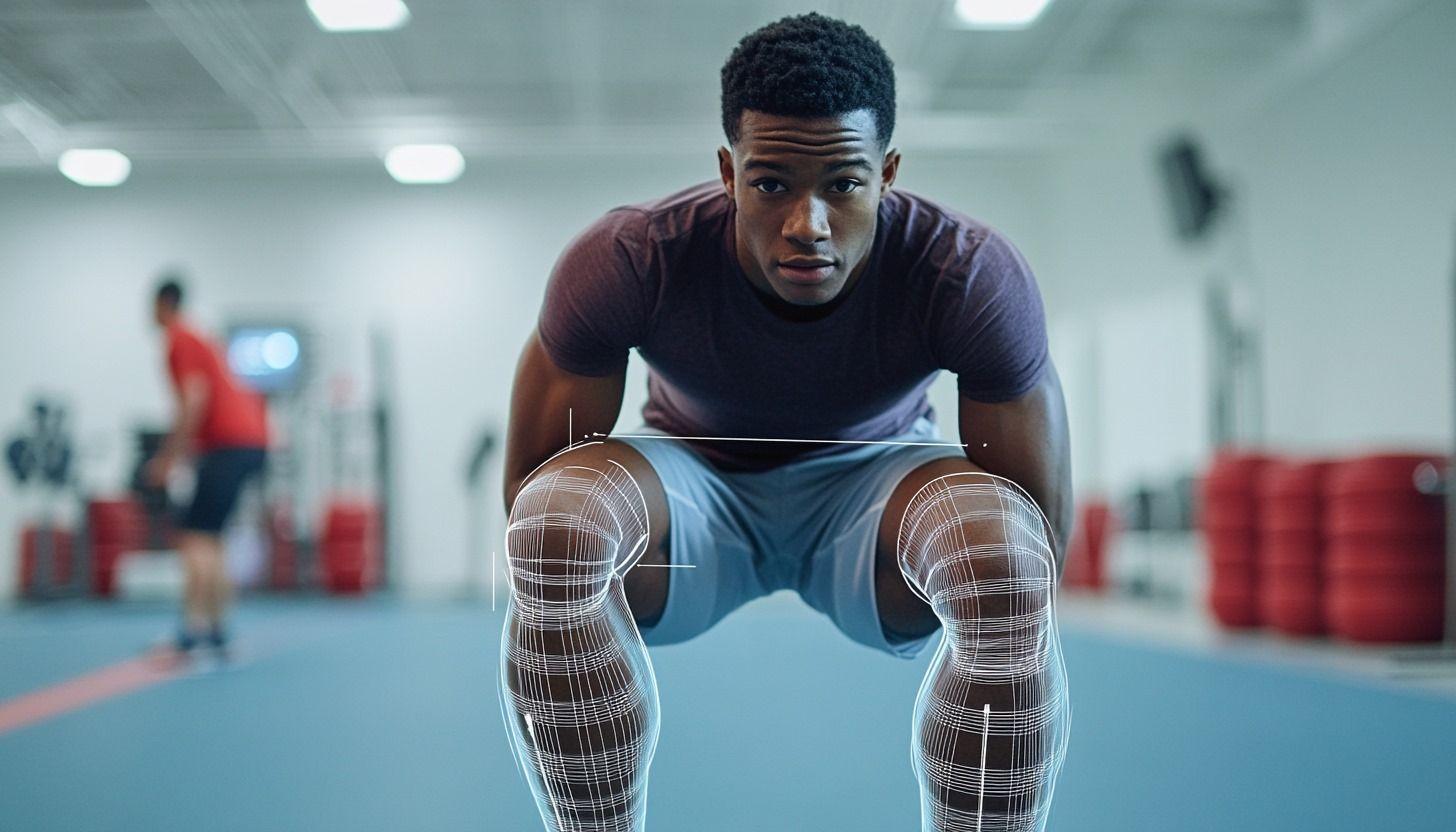
Joint Alignment Matters: Proper joint alignment, especially during high-impact activities like jumping or sprinting, reduces pressure on vulnerable areas such as knees and ankles. Misalignments often lead to conditions like runner’s knee, shin splints, or even ACL tears.
Using Sprongo’s Tools: Sprongo’s overlay feature is particularly useful for comparing an athlete’s movements to ideal form. By analyzing the alignment of knees, hips, and ankles during jumps or squats, athletes can understand where they may be straining joints unnecessarily. This visual feedback allows them to adjust and practice better alignment, reducing the risk of future injuries.
3. Monitoring Body Position and Posture
The Importance of Posture: Poor posture can lead to chronic pain and injury over time, particularly in sports that require repetitive movements, like running or weightlifting. Video analysis helps detect early signs of poor posture, such as excessive forward lean or slouched shoulders.
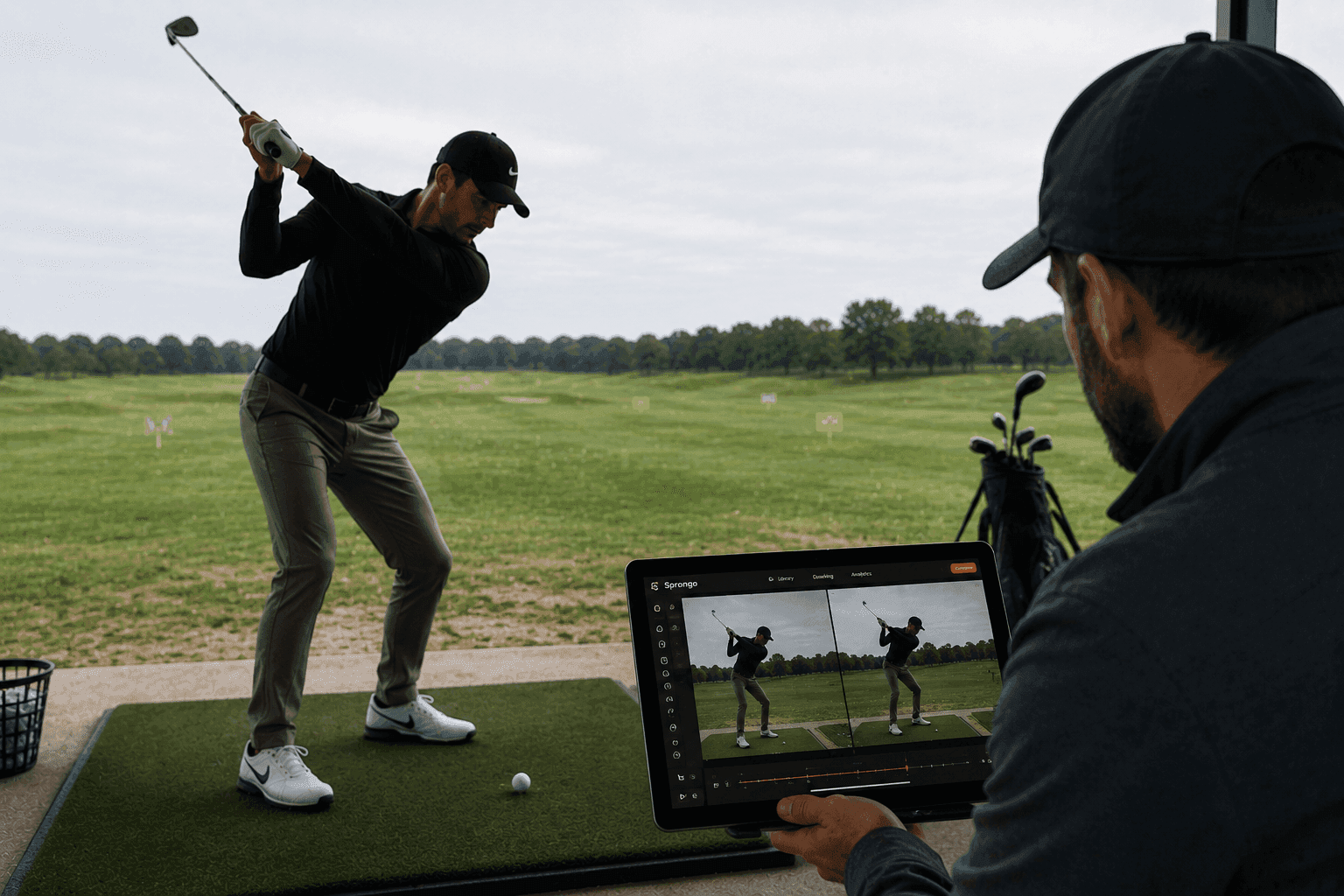
Sprongo’s Side-by-Side Comparison: With side-by-side comparisons, coaches can show athletes the difference between their current posture and optimal body positioning. This feature is valuable for reinforcing positive changes over time and highlighting progress as athletes improve their alignment and biomechanics.
4. Building Body Awareness and Preventing Overuse
Body Awareness: Improving body awareness is a vital part of injury prevention. Athletes who are more aware of their body mechanics can self-correct during training, making them less reliant on constant feedback and more capable of maintaining proper form under pressure.
Video Analysis for Long-Term Tracking: Sprongo’s video analysis tools allow athletes to track their form over time, helping them identify patterns that may lead to overuse injuries. By comparing current sessions to past footage, athletes can see how their form has evolved and make adjustments to prevent repetitive strain.
Benefits of Using Video Analysis for Injury Prevention
Incorporating video analysis into training helps coaches and athletes:
- Catch Risky Form Errors Early: Identify and address form errors before they cause injuries.
- Maintain Optimal Joint Alignment: Improve joint positioning to reduce pressure and minimize the risk of injury.
- Correct Posture and Biomechanics: Adjust posture to prevent chronic issues and boost performance.
- Track Long-Term Progress: Regularly assess form changes to ensure long-term injury prevention.
Sprongo’s platform offers these tools in an accessible and easy-to-use format, allowing athletes to focus on prevention and efficient movement.
Conclusion
Preventing injuries is essential for athletic longevity and success, and video analysis offers a powerful solution. By using tools like slow-motion playback, overlays, and side-by-side comparisons, athletes and coaches can detect form errors, improve biomechanics, and reduce injury risks. Sprongo’s platform makes these tools accessible, allowing athletes to build healthier, safer training routines and achieve their peak performance.