Introduction to Rhythmic Gymnastics
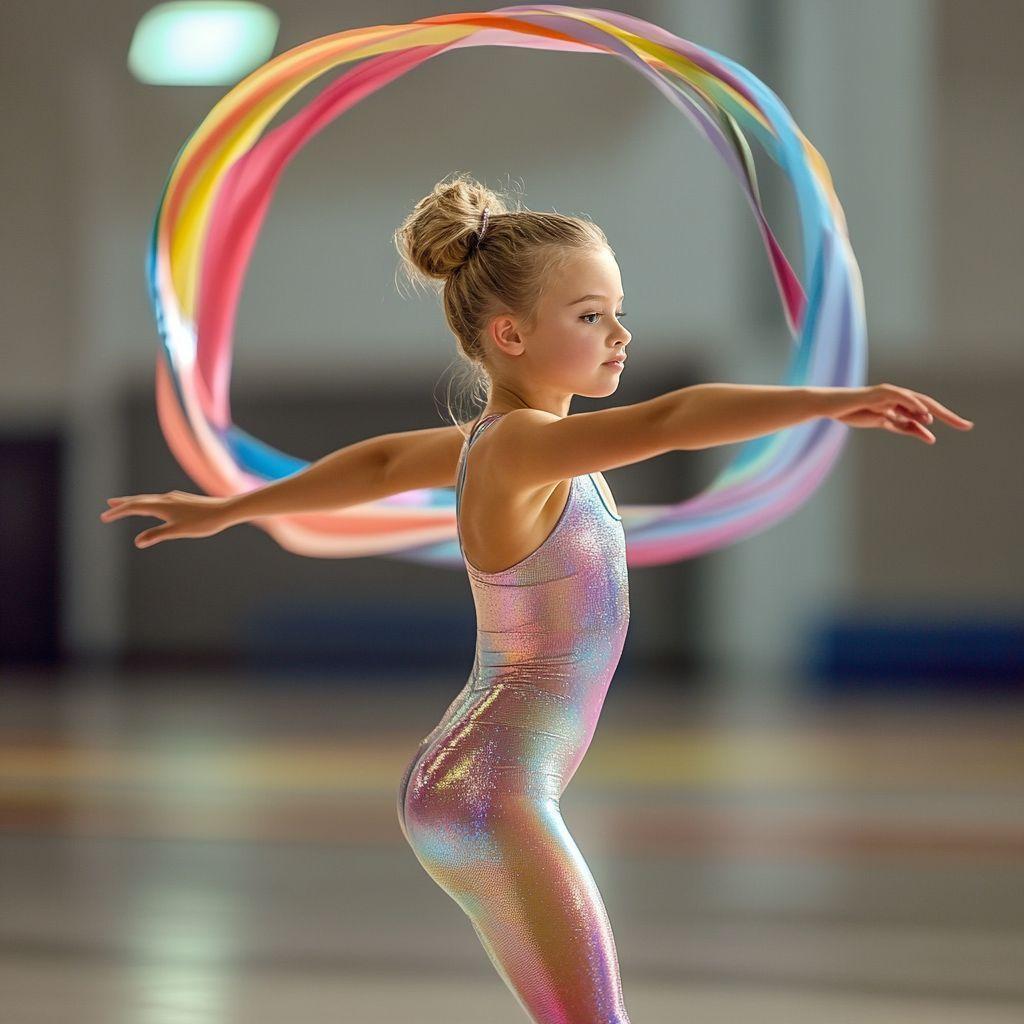
Rhythmic gymnastics uniquely blends athletic skill with dance and artistry, creating routines that are as captivating as they are challenging. Each performance emphasizes precision, control, and creativity, and requires gymnasts to deliver intricate moves with flawless execution.
The Origins and Evolution of Rhythmic Gymnastics
Rhythmic gymnastics originated as an expressive form of movement, incorporating elements of dance and ballet. Over the years, it evolved into a recognized competitive sport, with milestones like its inclusion in the Olympics in 1984 highlighting its growth and influence.
Understanding the Rules and Judging Criteria
In rhythmic gymnastics, judging is based on three main criteria: artistry, execution, and difficulty. Judges award points for form, control, and creativity while deducting for errors or inconsistencies. This scoring system ensures a balanced focus on both technical precision and artistic expression.
Essential Equipment in Rhythmic Gymnastics
Rhythmic gymnasts use a variety of apparatus, including ribbon, hoop, ball, clubs, and rope. Each brings its own set of challenges, with athletes required to master unique movements, handling techniques, and choreography for each piece of equipment.
Physical and Mental Skills Needed
Success in rhythmic gymnastics requires immense flexibility, coordination, and balance. Mentally, athletes need resilience, focus, and creativity to continually refine and enhance their routines, adapting to challenges and perfecting techniques over time.
Training Techniques for Rhythmic Gymnastics
Gymnasts must engage in targeted strength and conditioning exercises that build flexibility, precision, and timing. Incorporating exercises that improve balance, core strength, and endurance is essential for executing complex routines with control and ease.
Using Video Analysis to Enhance Rhythmic Gymnastics Training
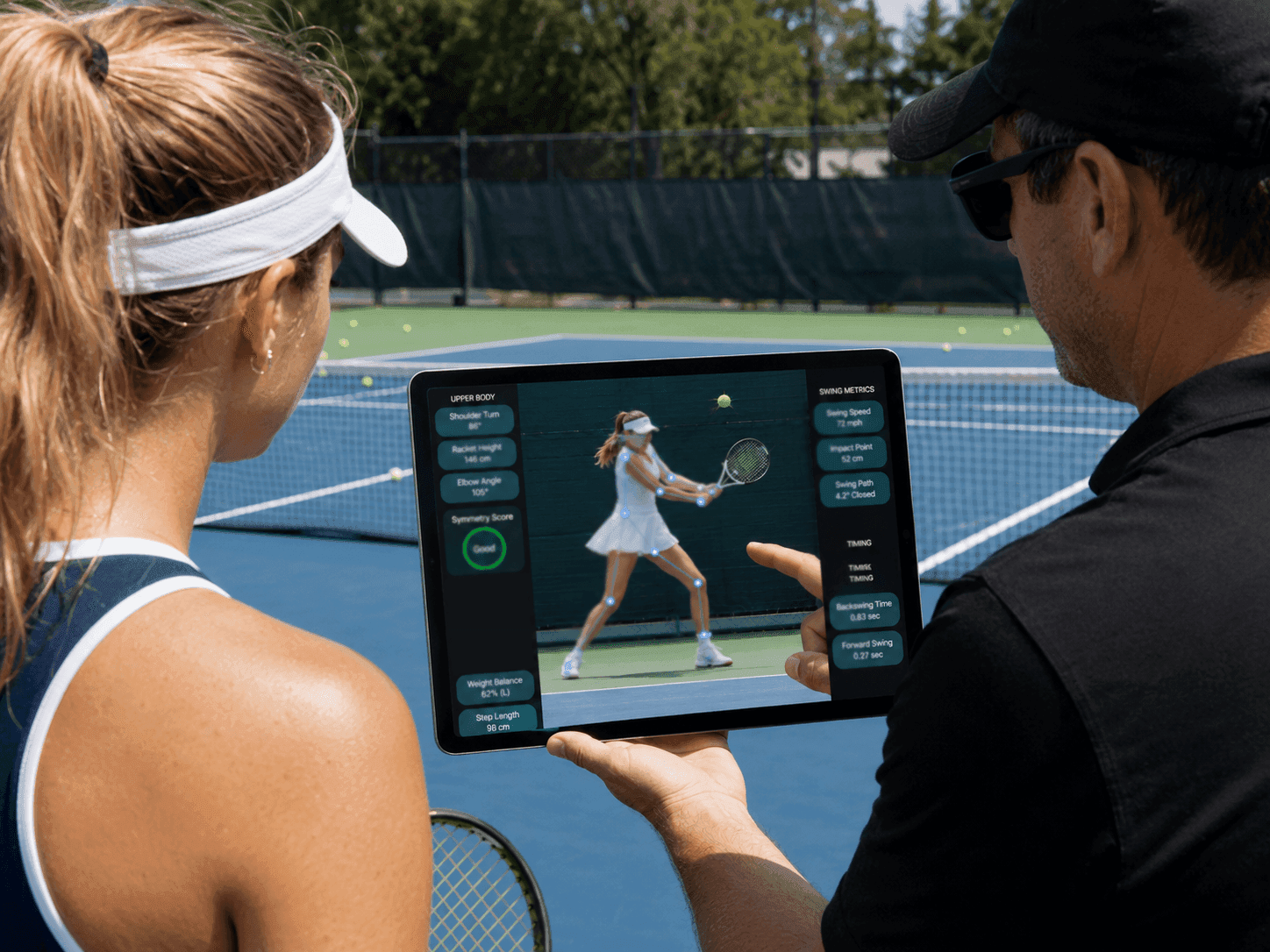
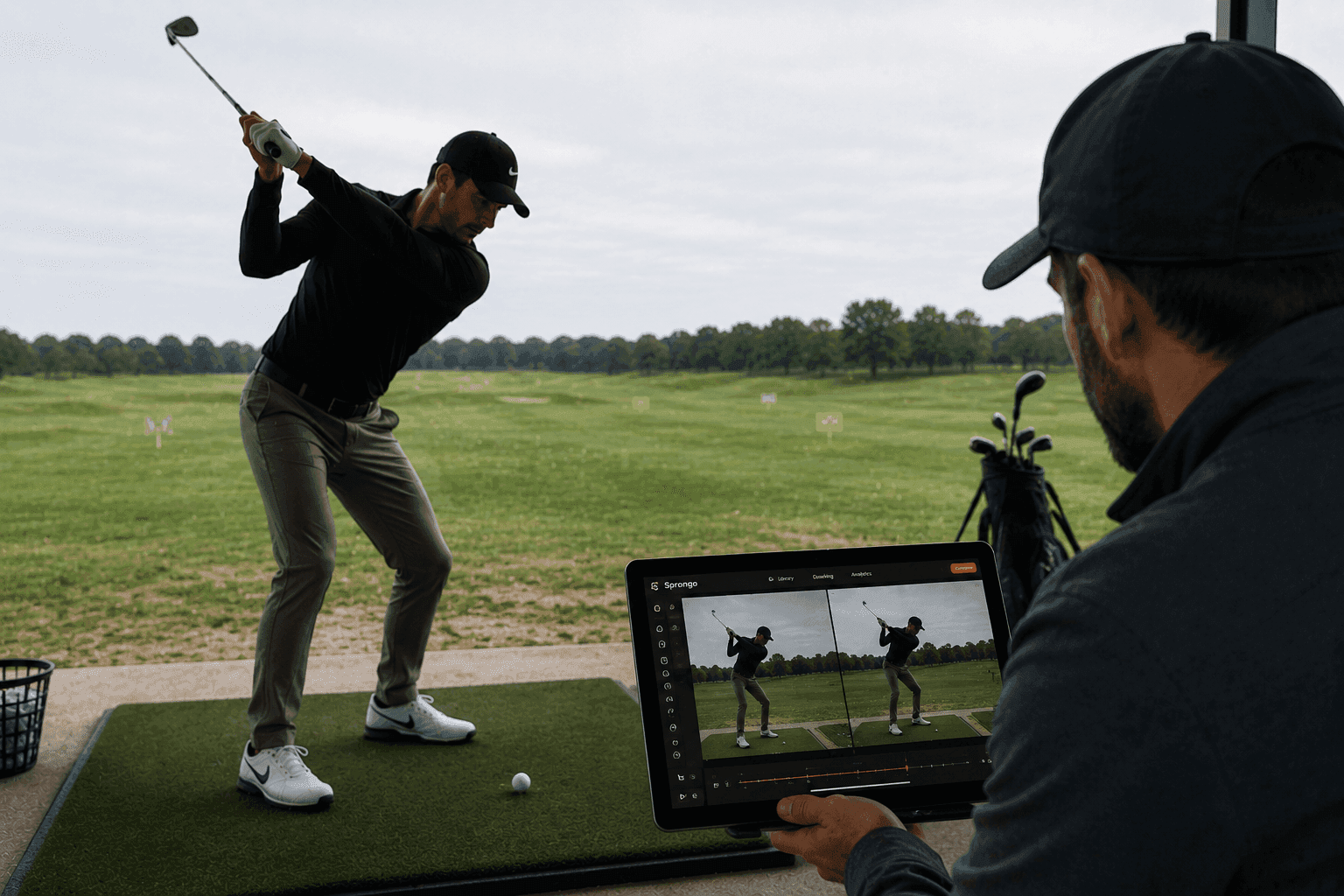
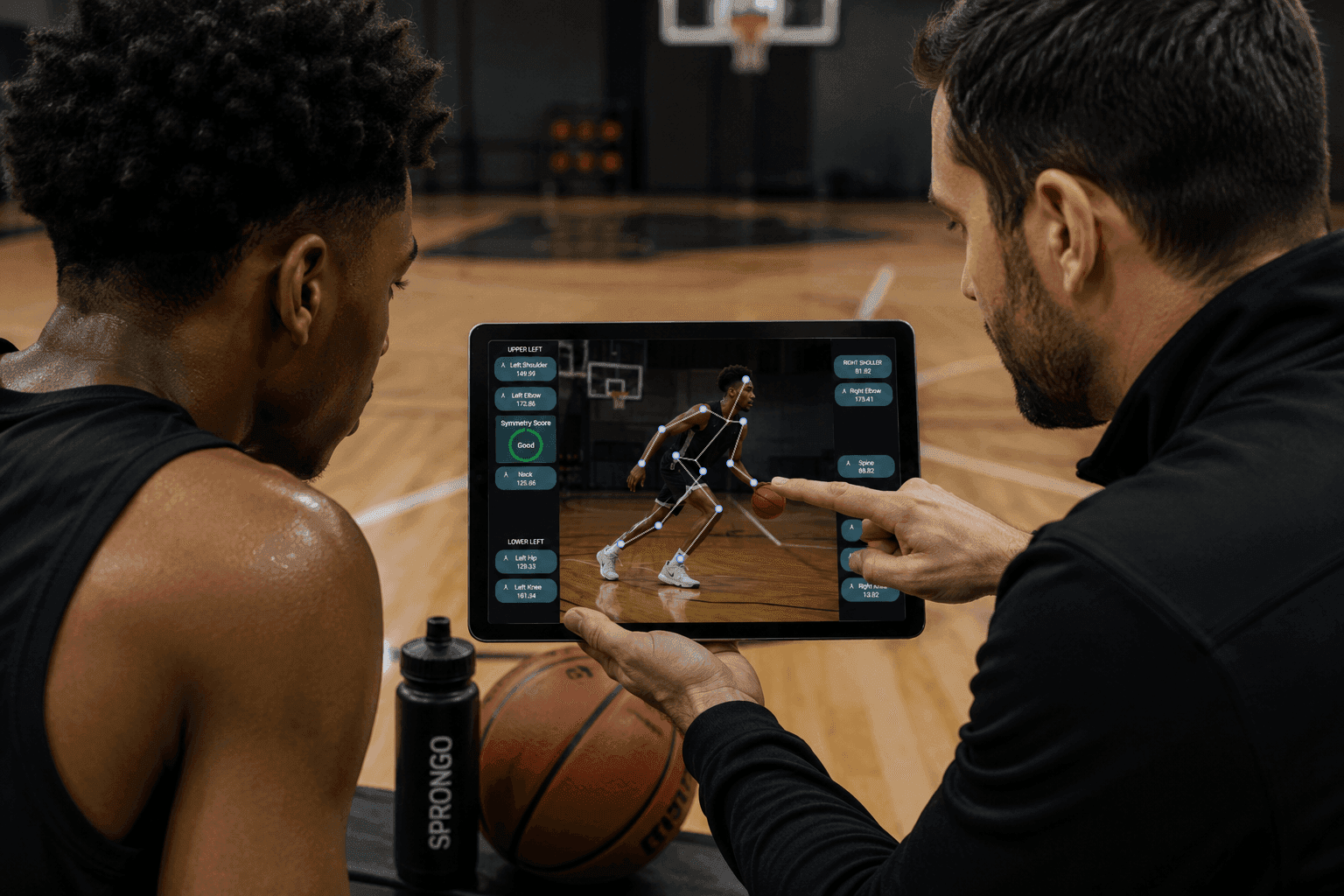
Sprongo’s video analysis tools provide gymnasts with detailed insights into their performance, enabling replay and motion tracking to assess techniques closely. By viewing their routines frame-by-frame, gymnasts can pinpoint areas for improvement, track progress, and perfect complex movements.
Advanced Moves and Techniques in Rhythmic Gymnastics
Advanced rhythmic gymnastics skills include intricate pivots, balances, and leaps. Video analysis helps gymnasts review their form on these complex sequences, allowing for precise adjustments and continuous refinement.
Notable Rhythmic Gymnasts and Their Training Routines
Many of the world’s top rhythmic gymnasts, known for their dedication and skill, incorporate video analysis into their training routines. Their focus on technique, creativity, and self-assessment serves as a model for aspiring athletes.
Common Challenges in Rhythmic Gymnastics Training
Gymnasts face a variety of challenges, from physical injuries to performance anxiety. Overcoming these requires resilience, mental preparation, and structured recovery techniques, allowing athletes to manage obstacles and remain focused on their goals.
The Role of Nutrition in Gymnastics
A balanced diet is essential for supporting performance and recovery in rhythmic gymnastics. Nutritional strategies tailored for the physical demands of the sport help athletes maintain energy levels and promote muscle recovery.
How Coaches Use Video Analysis for Performance Insights
Coaches utilize Sprongo’s video analysis tools to observe body alignment, balance, and motion, providing athletes with real-time visual feedback. This approach allows for targeted training adjustments, helping gymnasts enhance their performance effectively.
Tips for Young Gymnasts and Beginners
For those new to rhythmic gymnastics, it’s crucial to build a strong foundation. Beginners should focus on mastering core skills, such as balance, flexibility, and coordination, while gradually learning to handle equipment with precision.
Future Trends in Rhythmic Gymnastics
Technological advancements, including video analysis and AI, are shaping the future of rhythmic gymnastics. These tools enable athletes and coaches to gain deeper insights into performance, fostering continuous improvement and innovation.
Conclusion: Embracing the Art and Science of Rhythmic Gymnastics
Rhythmic gymnastics is a unique blend of discipline, art, and precision. Sprongo’s video analysis tools support athletes at all stages, empowering them to refine their skills and excel. Whether you're a seasoned gymnast or just starting, embrace the journey of growth and discovery in this inspiring sport.