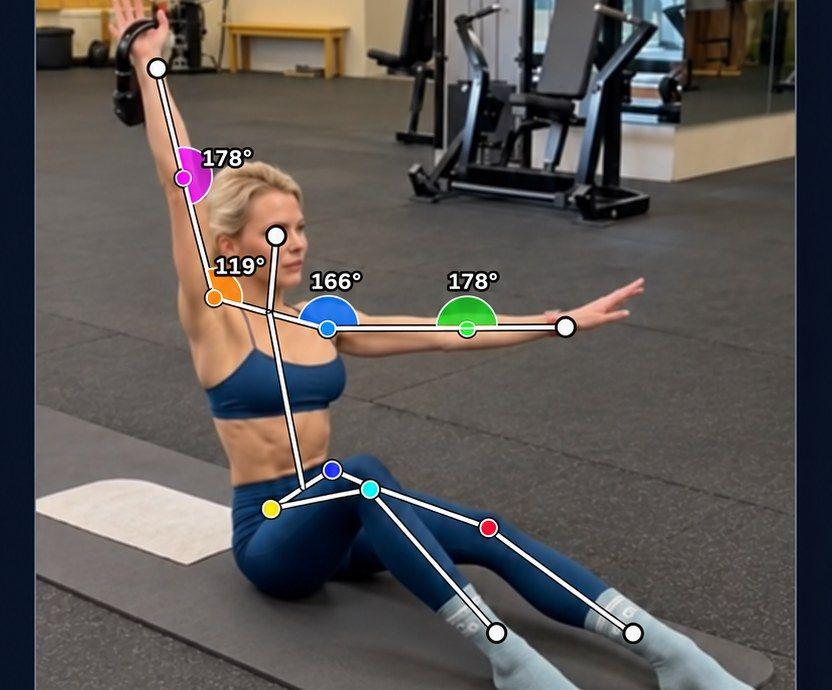
How to Analyze Sports Technique on Video: A 4-Step Method
A simple 4-step method to analyze any sport on video: capture the attempt, compare it, understand what matters and pick one next focus.
22 posts
A simple 4-step method to analyze any sport on video: capture the attempt, compare it, understand what matters and pick one next focus.
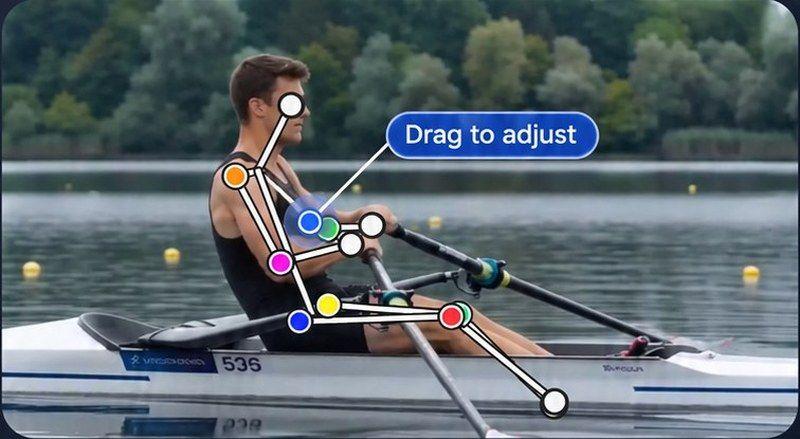
Film better training clips with just a phone: camera angle, height, distance, light and frame rate tips for clear video analysis in any sport.
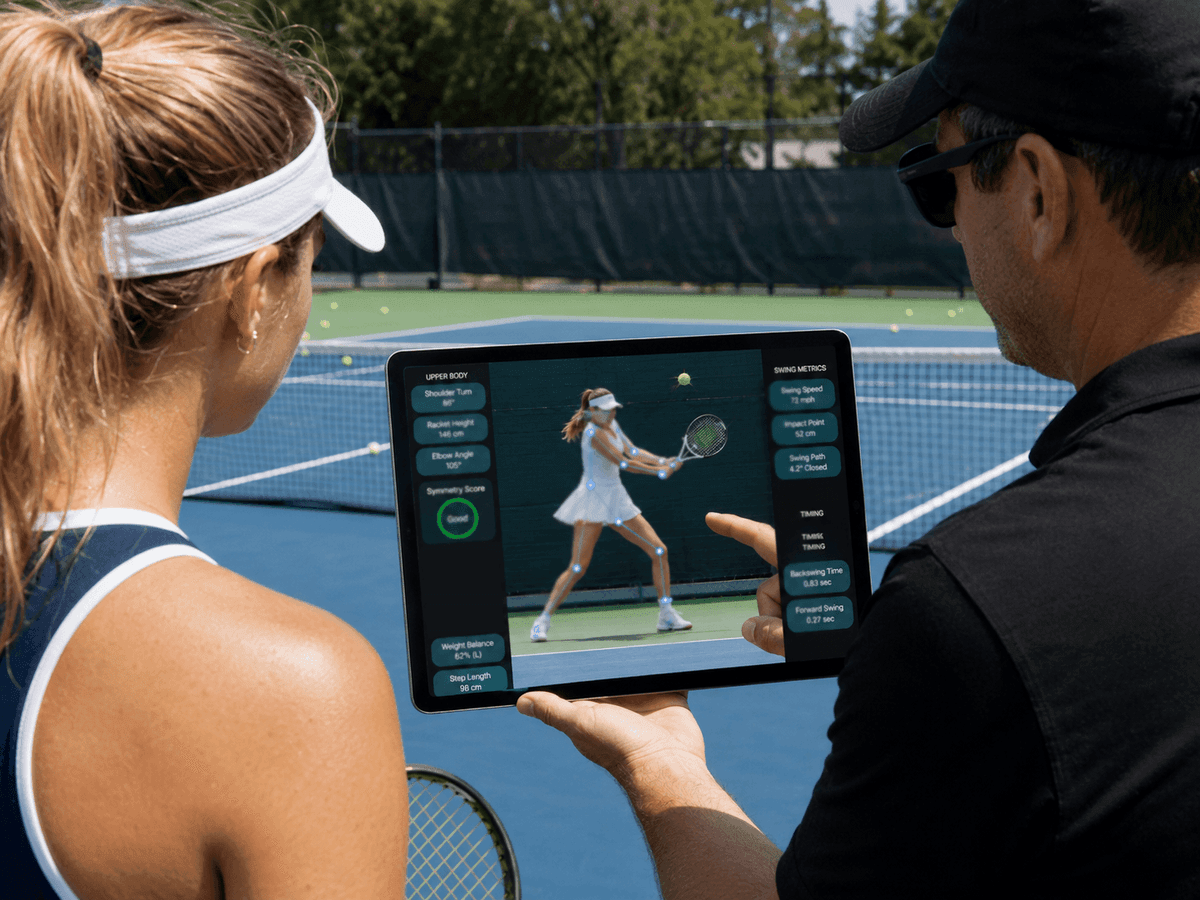
Video analysis helps coaches communicate feedback more clearly by turning fast, complex movement into visual examples athletes can understand, review, and apply in training.
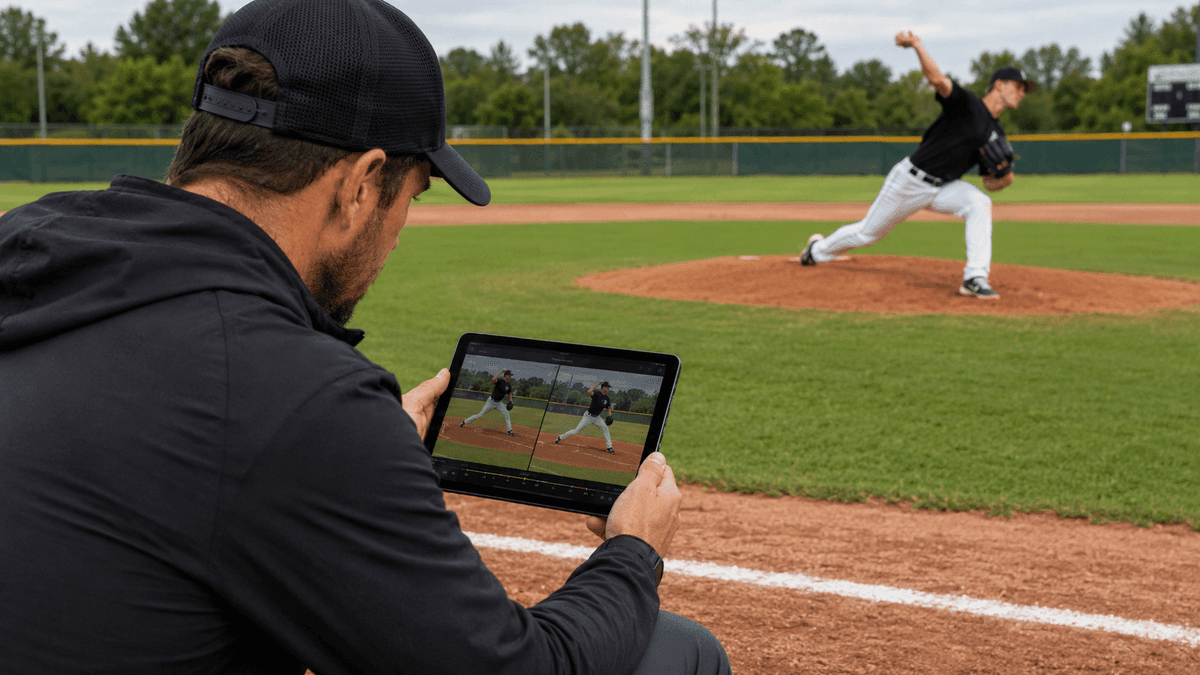
Slow-motion video review gives coaches a clearer way to analyze movement, identify technique errors, and improve athlete development across multiple sports.
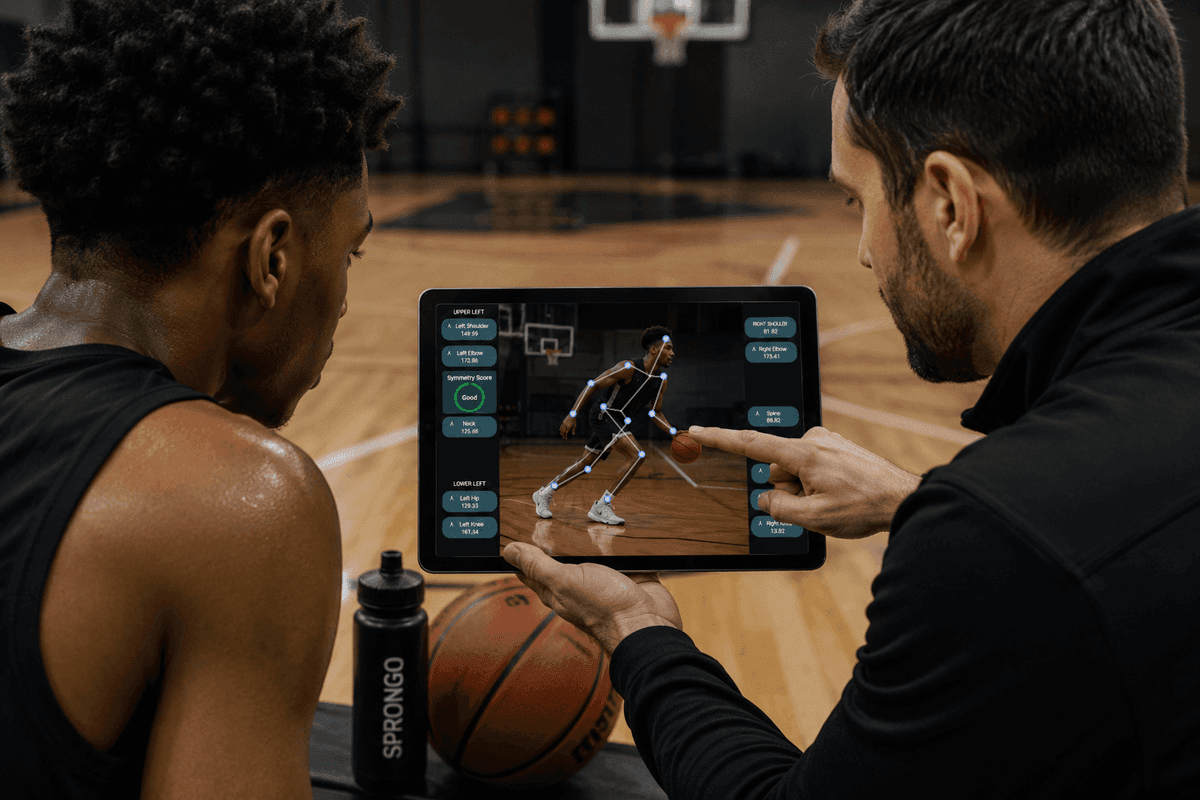
Visual feedback helps athletes recognize movement patterns, improve technique, and accelerate skill development. Learn why video analysis has become an essential part of modern coaching and athletic performance.
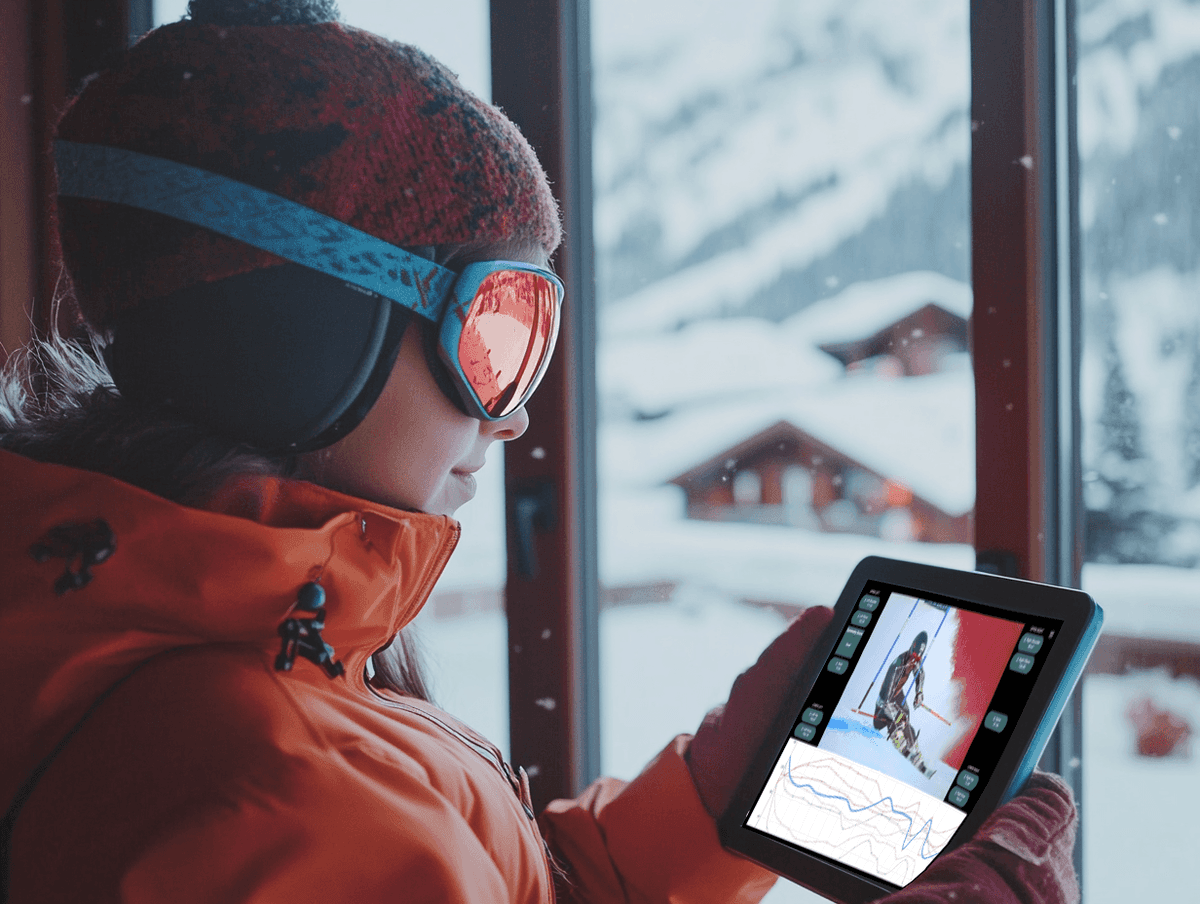
In high-performance sports, the most successful athletes aren't just physically skilled they are self-aware, self-driven, and reflective. One of the most effective ways to build these traits is through consistent video analysis habits. Sprongo empowers athletes to become proactive learners who drive their own growth through regular video feedback.
Success on race day isn’t just about talent—it’s about preparation. The way you manage your time, environment, and mindset before a race can significantly impact your performance. In this guide, we’ll explore the best pre-race preparation strategies that elite athletes use to optimize their focus, energy, and execution.
Great athletes don’t wait to feel 100%—they find a way to win, even when conditions aren’t ideal. Whether in tennis, basketball, football, or endurance sports, champions focus on solutions, adapt to challenges, and refuse to let obstacles define them. Learn how to develop this elite mindset and turn setbacks into stepping stones.
Discover the secrets behind an athlete's journey to greatness. From coaching and mental resilience to unique playing styles and commitment, this blog explores the key factors that drive transformations in elite sports performance.
Discover the top video analysis tools that every sports coach should have in their toolkit. This guide highlights the essential features offered by Sprongo to enhance athlete technique, improve form, and optimize performance. From playback controls to annotation tools, see how video analysis can elevate your coaching strategy and provide athletes with targeted feedback for better results.
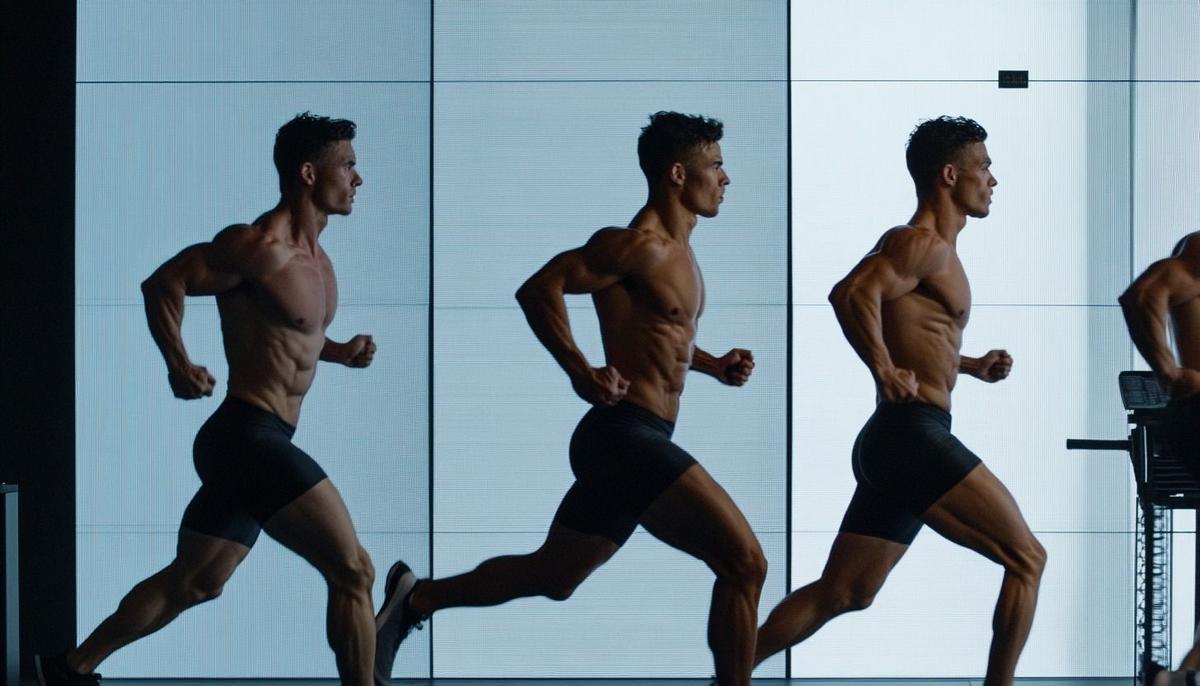
Discover how side-by-side and overlay video comparison can transform athlete development. Learn how these powerful features help athletes and coaches identify improvement areas, track progress, and enhance performance. This article covers the benefits of video comparison and shows how Sprongo’s tools support athletes on their journey to excellence.
Achieving peak athletic performance requires more than just physical skill; mental toughness is crucial for success. Learn strategies to boost focus, confidence, and emotional control to elevate your training sessions and performance.
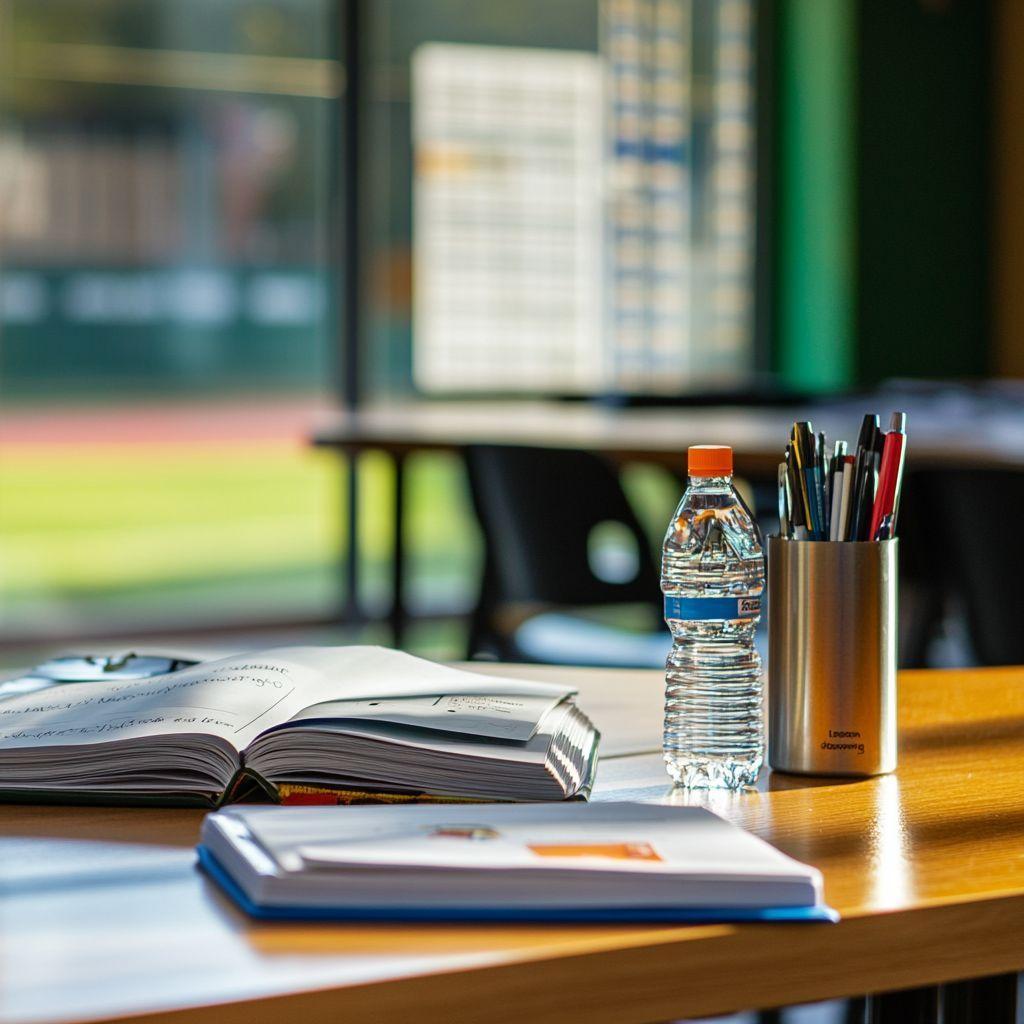
Discover top books to elevate your coaching skills and leadership philosophy. From trust-building to team management, these recommended reads will help you lead effectively and inspire your team.
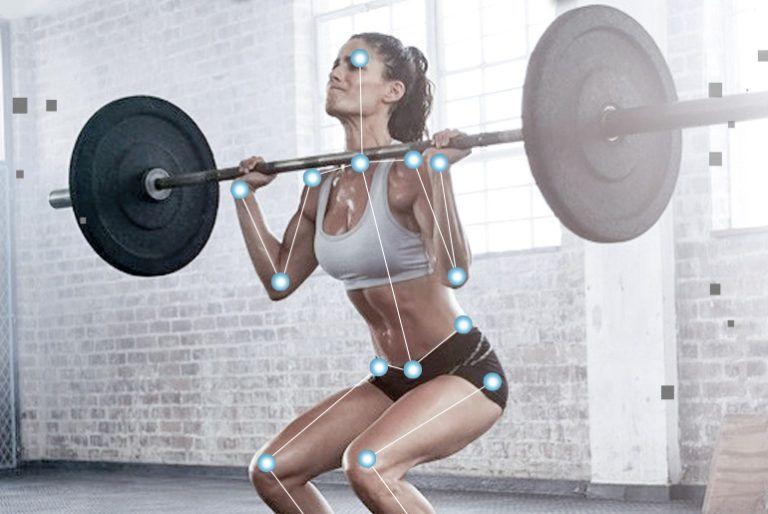
You may have heard about the use of biomechanics in sport, but do you know what it is and how it’s used? We’re here to give you a run down of why biomechanics is so important in sport.

When it comes to training and improving sport performance, athletes look to their coaches for guidance. They rely on their mentors to give them valuable feedback on their performance so they can improve their skills, technique, and strive to be better athletes. This is why observational analysis is crucial for coaches to understand and undertake to lead their teams to success.
Biomechanics in sport is all about analysing sport movements to help improve performance and reduce the risks of injury. It usesmodelling, simulation, and measurementto gain a stronger understanding of athlete performance, and aids the process of video analysis.

Many sport teams out there are successful because of their sense of motivation. Every team goes through good and bad times, but if each member of the team is motivated to improve and learn from their mistakes, that’s all you can ask for as a coach.

Goal setting plays a huge part in helping athletes achieve optimal performance. The goal-setting process helps them understand where their performance is currently at, and also where they want to improve, and how they’re going to go about it. It’s important for an athlete to set systematic goals that are focused on the process and performance, rather than being focused on the outcome of competition.
Learn how to create a positive, empowering team culture that enhances athlete performance and fosters collaboration. Explore essential tips for coaches to build a unified, value-driven team.

Wanting to do everything you can to be the best coach possible? The truth is, as a coach, you should be developing and improving your methods constantly. What works for one group of athletes, may not work for another. So it’s important to know your athletes and train them according to what they need. If you’re wanting to learn a few more ways to improve your coaching skills, you’ve come to the right place!
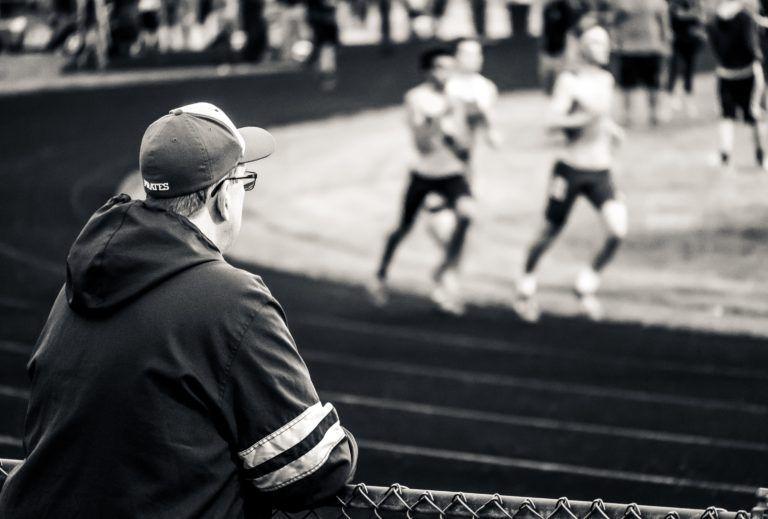
Many coaches seem to underestimate the benefits of documenting training sessions and keeping training journals. From improving technique and boosting efficiency to providing clear direction for lessons, training journals are extremely helpful for both coaches, as well as athletes.

I think we can all agree that videos are at the heart of video analysis (If it isn’t obvious already!). So making sure that your videos are taken efficiently, appropriately, and avidly are essential in getting the most out of video analysis.